From Georgetown boardroom to Ogle’s twelve seater apron
The transition from a glass walled meeting room in Georgetown to the small terminal at Ogle feels abrupt yet strangely fitting. For business leisure travelers who treat the flight as part of the luxury, not just a means to it, this is where guyana charter flights interior logistics begin to shape the entire stay. Your travel day stops being about a generic flight and becomes about a curated air experience that links city hotels with remote riverside decks.
At Eugene F. Correia International Airport, still called Ogle by most in Guyana, check in for charter flights is intimate and efficient rather than theatrical. You will see a mix of light jets, turboprops and compact aircraft on the apron, but for interior flights Guyana operators usually rely on rugged Cessna models, King Air turboprops or similar twelve seater configurations chosen for short airstrips and variable air conditions. The scale is human, the security formalities are serious, and the staff know exactly which lodge you are heading to long before your boarding call.
Luggage limits are the first reality check for anyone used to long range Gulfstream jets or a private jet with a cavernous hold. On most charter services into the interior, soft bags are capped around 9 to 13 kilograms per person because the aircraft must balance weight, runway length and air temperature for safe flights. That strict cost of weight is not an upsell ; it is physics, and understanding this makes it easier to pack for both your Georgetown hotel and your riverfront hammock without frustration.
The aircraft: why twelve seats feel like the front row
Stepping out onto the tarmac at Ogle, you are close enough to your aircraft to smell the warm air rising off the runway. Guyana charter flights interior operations typically use Cessna aircraft, King Air turboprops and other light jets or turboprops rather than heavy jets, because short grass strips and high humidity demand performance more than glamour. For a traveler used to midsize jets or a sleek Gulfstream, the first sight of a twelve seater can feel like a downgrade until the cabin door closes and the experience shifts.
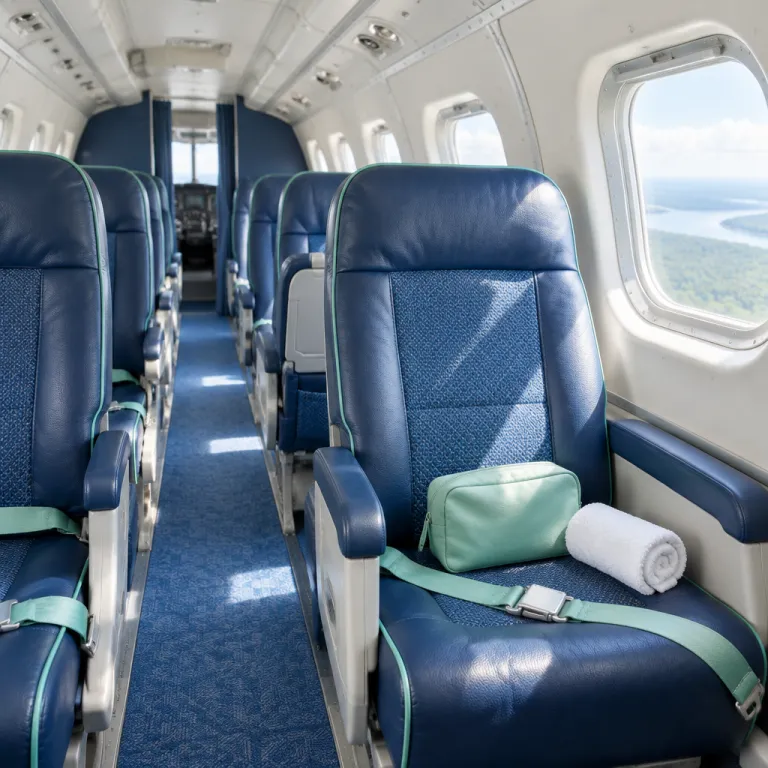
Inside, there is no curtain between you and the cockpit ; you see the pilots work the throttles, watch the air speed tape climb and feel every change in the air. This is not jet charter in the classic sense of a private jet with a flight attendant and a flat bed, yet it is still a form of chartering private air travel where the service is measured in access rather than champagne labels. Seats are narrow but legroom is reasonable, and on many flights Guyana operators will balance the load so that no one is cramped, even when every seat on the aircraft is technically sold.
For those who usually book private jets or midsize jets for regional hops, the key is to reframe expectations. You are not comparing a Citation or a super midsize jet to a Cessna ; you are comparing the ability to land on a laterite strip 600 metres long beside a rainforest creek with the limitations of scheduled flights into a major airport. In that context, the cost of a seat on charter flights becomes part of the overall cost charter equation for accessing Guyana’s most exclusive lodges.
What you see from 600 metres above the canopy
Once airborne, the difference between scheduled flights and guyana charter flights interior operations becomes obvious through the window. The aircraft climbs low and long over the Demerara River, then levels out at an altitude where you can read the texture of the rainforest canopy rather than just its colour. This is flightseeing by default, not by design, and it is one of the quiet luxuries that links your hotel booking to the landscape you came to experience.
On clear days the air feels almost still as the aircraft tracks south over rivers that braid and rejoin, with sandbars that look close enough to touch. You may see the grid of Georgetown fade into a patchwork of rice fields, then nothing but green for what feels like a long range stretch of time, punctuated by sudden clearings where Amerindian villages sit beside airstrips. Every turn, every banked approach, reminds you that charter services here are not abstract ; they are lifelines for communities and lodges that cannot rely on scheduled flights Guyana wide.
The approach into interior airports is where nerves and exhilaration meet. A King Air or Cessna Citation style cabin gives you a front row view as the pilot lines up with a grass or laterite strip that seems impossibly short, yet is perfectly adequate for a light aircraft or a midsize jet configured for bush operations. For many travelers who usually think of Gulfstream jets, heavy jets or super midsize cabins when they hear the phrase private jets, this moment reframes what luxury air charter really means in Guyana.
Practicalities for business leisure travelers extending a stay
For executives turning a Georgetown work trip into a Rupununi or Kaieteur escape, the logistics of guyana charter flights interior planning matter as much as the lodge wine list. You will likely arrive on an international flight at Cheddi Jagan International Airport, then transfer by road to Ogle for onward charter flights the next morning or later that day. Building a one night stay at a central Georgetown hotel into your itinerary gives you margin for weather delays, luggage issues and the inevitable mental shift from boardroom to bush.
Weight allowances on charter flights are non negotiable, so pack with the same discipline you would apply to a long range expedition rather than a weekend in a city with unlimited services. Soft sided bags fit more easily into the holds of light jets, Cessna aircraft and King Air turboprops, and they help the ground crew load quickly when air conditions are changing. If you are used to charter private jets where baggage feels limitless, ask your air charter operator in advance about exact limits, potential cost charter implications for excess weight and whether a separate baggage flight is realistic or not.
Schedules in the interior are shaped by daylight, weather and airstrip conditions rather than by slot controlled airport timetables. Many charter services operate on a semi scheduled flights model, where flights Guyana wide are grouped by destination to manage cost and aircraft use, so your jet charter style flexibility has to adapt to a more communal rhythm. Use your Georgetown time to explore the city’s cultural side — the Georgetown art trail, from Castellani House to the galleries filling the capital’s colonial shells, is a rewarding way to bridge the gap between international air and interior aircraft.
Sequencing charters so your multi stop itinerary actually works
Designing a multi lodge itinerary in Guyana is as much about air routing as it is about room categories. When you plan guyana charter flights interior segments, think in loops rather than out and back hops, because aircraft positioning, runway lengths and fuel stops all influence what is possible. A well sequenced route can reduce total cost, limit time spent at hot airstrips and maximise the hours you spend on verandas and riverboats instead.
Start by mapping your priorities : perhaps a night in Georgetown, then Kaieteur Falls, then a long stay in the Rupununi, before returning to the city for meetings. Your air charter provider will look at which aircraft — from Cessna models and King Air turboprops to occasional midsize jet or Citation Cessna style options for longer legs — can safely operate each airstrip. They will also weigh up whether combining you with other travelers on charter flights reduces cost charter per seat, or whether chartering private aircraft for exclusive use makes sense for your schedule and privacy needs.
For travelers used to private jets, heavy jets or super midsize cabins, it helps to remember that luxury here is defined by access and knowledge rather than by cabin width. The same mindset that values a well briefed Amerindian guide over a generic five star rating applies to aircraft choice, where a rugged Cessna or a workhorse King Air can be more valuable than a sleek Gulfstream or a fleet of midsize jets that cannot land where you are going. In practice, that means trusting your charter services provider on aircraft type, accepting that scheduled flights may form part of the journey, and viewing every flight — from Georgetown airport apron to the last red dirt strip — as an integral chapter of your Guyana stay.
FAQ
How safe are small aircraft used for interior flights in Guyana ?
Interior flights in Guyana use certified aircraft such as Cessna models and King Air turboprops that are designed for short runways and tropical conditions. Operators flying guyana charter flights interior routes must comply with national aviation regulations, maintenance schedules and pilot training standards. Safety briefings, weight limits and weather related delays are all part of that safety culture, even if they feel unfamiliar to travelers used to larger jets.
What luggage allowance should I expect on interior charter flights ?
Most interior charter flights in Guyana limit checked luggage to roughly 9 to 13 kilograms per person, plus a small carry on. These limits reflect aircraft performance on short or unpaved runways, high temperatures and the need to carry enough fuel for long sectors. Using soft sided bags and packing only what you need for both your Georgetown hotel and interior lodge stay will make boarding smoother.
Can I book a fully private charter instead of sharing a flight ?
Yes, it is possible to arrange chartering private aircraft for exclusive use on many interior routes, especially if you are traveling as a group or on a tight schedule. A private charter or private jet style service will usually cost more than buying seats on shared charter flights, but it can offer greater flexibility on departure times and routing. Your operator can advise whether a light aircraft, a midsize jet or another configuration is appropriate for the airstrips you plan to use.
How do weather and delays affect connections with international flights ?
Weather in Guyana’s interior can change quickly, and low cloud or heavy rain may delay or reroute flights at short notice. To protect your international connections, plan at least one night in Georgetown between your interior flight and your long haul departure, rather than trying to connect directly. This buffer allows for schedule changes while giving you time to enjoy the city’s hotels, restaurants and cultural sites.
Is the experience suitable for nervous flyers used only to big jets ?
Travelers who usually fly on large scheduled flights or wide body jets often find the first small aircraft sector intense but rewarding. The cabins are more intimate, you feel more of the air, and you see far more of the landscape, which can actually reassure some passengers once they settle in. If you are anxious, sit near the front, wear noise cancelling headphones and speak with the crew before take off about what to expect during the flight.