Why Guyana rewards patient lenses more than bucket lists
Guyana wildlife photography is not about ticking animals off quickly. In this corner of South America, the rainforest and savannah shape how you move, where you sleep and when your camera finally meets a jaguar or harpy eagle. The serious photographer treats every lodge choice as a tripod decision, because the wrong base can cost you the one frame you flew across the amazon for.
The country’s low volume, high value approach to wildlife means fewer vehicles, quieter river landings and more intimate wildlife scenery. That philosophy suits the solo explorer who wants time with a single giant anteater rather than a convoy chasing monkeys through the trees. When you plan a trip through Guyana, wildlife becomes the organising principle, and luxury or premium hotels are the tools that let you be standing in the right place when the light breaks.
Think of the interior as three broad photographic stages ; the Iwokrama rainforest for canopy and bird watching, the Rupununi savannah for open country mammals and the Kaieteur plateau for drama and scale. Each base offers different angles on Guyana wildlife, from a dwarf caiman sliding under your boat to macaws fighting in a shaft of late afternoon sun. The art lies in stitching these bases together so that your walking, flying and river transfers support your camera, not exhaust it.
Rupununi savannah lodges for jaguars, giant anteaters and river light
The Rupununi savannah is where guyana wildlife photography becomes a game of patience and long horizons. Premium nature retreats here sit on private riverfronts or near forest edges, giving you pre dawn access to oxbow lakes, gallery forest and sandy tracks where the giant anteater often crosses. When a lodge vehicle stops and you see that shaggy animal walking slowly through golden grass, you understand why this region rivals parts of bolivia brazil or peru venezuela for big mammal encounters.
Choose lodges that control their own river stretches, because boat access multiplies your options for photos. On a still morning, the river becomes a mirror for wildlife scenery, from monkeys leaping between tree branches to a dwarf caiman resting under overhanging roots. The same water channels can deliver giant river otters, and a well briefed guide will position the boat so that the sun sits behind you, not flaring across your photos at the crucial moment.
Dry season concentrates wildlife along water, which means more tracks, more sound and better chances of jaguar along the forested riverbanks. No lodge can guarantee a jaguar, in Guyana or in neighbouring colombia or peru, but the Rupununi’s mix of savannah and forest makes it one of the most reliable regions in south america. For a deeper dive into how lodges manage expectations around otters and other marquee species, study this detailed guide to giant river otter encounters and where to stay before you book.
Iwokrama canopy and rainforest bases for harpy eagles and birds in flight
North of the Rupununi, the Iwokrama rainforest turns guyana wildlife photography into a vertical exercise. Here, luxury and premium lodges near the canopy walkway place you within minutes of dawn light at treetop level, which is where the harpy eagle and guianan cock of the rock rule the airspace. When you step onto the walkway in the half dark and hear monkeys moving below, you realise why this forest rivals colombia ecuador or ecuador guyana corridors for intact canopy.
The harpy eagle is never a casual sighting, but basing yourself near known nesting territories in Iwokrama or the Kanuku Mountains quietly shifts the odds. Guides who work with the same trees season after season know when a guyana harpy pair is active, and they will judge whether a respectful, distant view is possible without stress to the animal. While you wait, the canopy delivers consolation prizes ; macaws fighting over fruiting branches, a tree frog clinging to moss, or a line of monkeys walking across a natural bridge of vines.
Bird watching here is less about ticking species and more about reading light and layers. The best lodges understand that, offering early breakfasts, flexible boat departures and staff who know when a golden rocket frog is calling near a creek or when a guianan cock lek is active. For a structured sense of how a high end itinerary can weave this canopy walkway into a wider birding and photography journey, study this specialist canopy and birding itinerary for luxury travelers before finalising your route.
Kaieteur and river plateaus for scale, waterfalls and amphibian close ups
Kaieteur is where guyana wildlife photography shifts from intimate portraits to grand theatre. The falls drop in a single sheet into rainforest, and the best premium stays in the interior treat this as a landscape studio rather than a quick fly in stop. When you stand at the edge and feel spray on your lens, the challenge becomes balancing the giant scale of water with the tiny rocket frog or tree frog that lives in the bromeliads at your feet.
Photographers who stay overnight or link Kaieteur with nearby rainforest lodges gain access to changing light that day trippers never see. Late afternoon can paint the cliff in warm tones, while early morning mist softens the edges and lets you work slower shutter speeds without harsh contrast. Guides here know where the golden rocket frog often sits, how close you can approach without stress and which angles keep the river gorge in frame while still isolating the animal.
From Kaieteur, some itineraries continue along river systems that eventually connect, in a continental sense, with basins shared by colombia, ecuador and peru. You are still firmly in Guyana, but the feeling of a wider amazon corridor is strong, especially when you see macaws fighting over clay licks or a dwarf caiman sliding into dark water. Luxury lodges that understand this drama will schedule walking trails, cliff edge viewpoints and quiet river drifts so that your photos capture both the falls and the rainforest that feeds them.
Georgetown, logistics and choosing the right luxury base for your lens
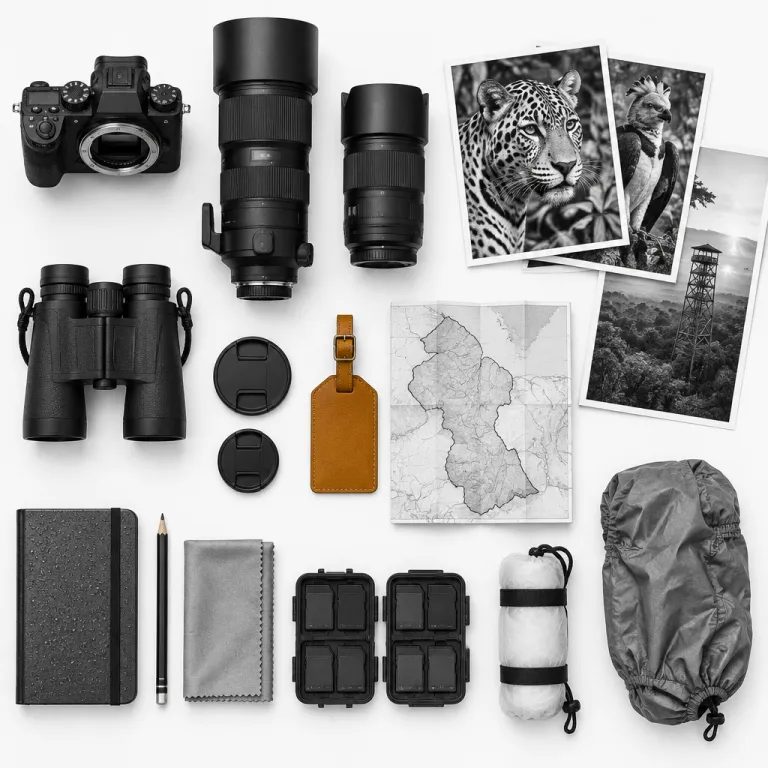
Every serious guyana wildlife photography journey begins and ends in Georgetown, and your choice of hotel here shapes how smoothly you move into the interior. Opt for luxury or premium properties that understand charter schedules, luggage limits and the delicate relationship between camera gear and humidity. A well run city stay will offer secure storage for hard cases, early breakfasts before domestic flights and staff who know the difference between a tripod and a trekking pole.
From Georgetown, you connect by small aircraft to the Rupununi savannah, Iwokrama rainforest or Kaieteur plateau, and each route has strict weight limits. That reality forces photographers to edit gear ruthlessly, prioritising fast telephoto lenses, a wide angle for waterfalls and a second body rather than a third zoom. The best hotels in the capital can arrange transfers that leave enough buffer for weather delays, which is essential in a country where river levels and rainforest storms still dictate movement more than timetables do.
Use your time in the capital to refine your shot list, back up existing photos and calibrate expectations about wildlife, whether you dream of a jaguar, a giant anteater or a harpy eagle. For a curated overview of where to stay in the city, with an emphasis on refined service and efficient logistics, consult this elegant guide to Georgetown’s most refined hotels. Once you step onto the charter, every kilogram and every minute counts, so the groundwork you lay in Georgetown quietly shapes every frame you bring home.
Light, guides and managing expectations for marquee wildlife subjects
The most successful guyana wildlife photography trips are built around light, not just locations. Dawn and late afternoon are when the savannah glows, the rainforest softens and the river turns reflective, which is why serious photographers often plan their entire day around these two windows. Luxury lodges that understand this rhythm will offer coffee before first light, flexible meal times and guides who are happy to stay out late when the sky finally does something interesting.
Guides are the real differentiator between a pleasant wildlife outing and a portfolio changing encounter. In Guyana, as in costa rica or suriname guyana border regions, the person on the bow of your boat or at the front of your walking trail decides whether you see a jaguar track, a guianan cock display or a harpy eagle silhouette before you even raise your camera. When you evaluate premium properties, ask specific questions about guide training, years in the same area and how often they work with photographers rather than general tourists.
Managing expectations matters, especially for marquee species that also roam colombia, peru and ecuador. Jaguars, giant anteaters and harpy eagles are never guaranteed, even in the best habitats, so build your trip around reliable subjects like monkeys, frogs, tree frogs, dwarf caiman and the constant theatre of macaws fighting over fruiting trees. If you treat every animal, every river bend and every patch of savannah as a potential frame, Guyana will reward you with photos that feel earned rather than staged.
FAQ
When is the best time of year for guyana wildlife photography ?
The most productive period for guyana wildlife photography usually aligns with the main dry season, when water levels drop and animals concentrate along rivers and remaining pools. In the Rupununi savannah, this means better chances of seeing giant anteaters, dwarf caiman and other mammals in open habitats. In the rainforest, trails are less muddy, light is slightly more predictable and bird watching from canopy walkways becomes more comfortable for long sessions.
Which region is best for photographing jaguars in Guyana ?
The Rupununi savannah and adjacent forest corridors currently offer the best balance of access and habitat for jaguar photography in Guyana. Lodges that control both savannah tracks and riverfront forest edges can position you where tracks, calls and fresh kills are most often found. Even here, sightings are never guaranteed, so plan several days, work closely with experienced guides and treat every river patrol or walking safari as a patient search rather than a checklist.
Do I need a very long lens for harpy eagle and bird photography ?
A fast telephoto in the 400 to 600 millimetre range is ideal for harpy eagle, macaws and other canopy birds, especially from the Iwokrama walkway. Many photographers also carry a second body with a shorter zoom for closer subjects like monkeys, frogs or a guianan cock of the rock at a lek. Whatever you bring, prioritise lenses with good low light performance, because rainforest conditions often demand higher ISO and careful stabilisation.
How do luxury lodges in Guyana support photographers specifically ?
High end nature retreats in Guyana typically support photographers with early breakfasts, flexible activity schedules and guides who understand light and positioning. Some properties offer charging stations, secure camera storage and even basic cleaning supplies for gear exposed to humidity and river spray. When you book, ask directly about their experience with photographers, maximum group sizes and how often they run private boat or vehicle outings for serious camera work.
Is it easy to combine Guyana with other South American wildlife destinations ?
Guyana connects by air with hubs that link to colombia, peru, ecuador and brazil, so multi country wildlife itineraries are possible for determined travelers. Many photographers pair Guyana’s quiet savannah and rainforest with more developed circuits in costa rica or the amazon regions of neighbouring countries. When planning, factor in extra travel days, gear weight limits on regional flights and the need to back up photos securely between each leg of your journey.