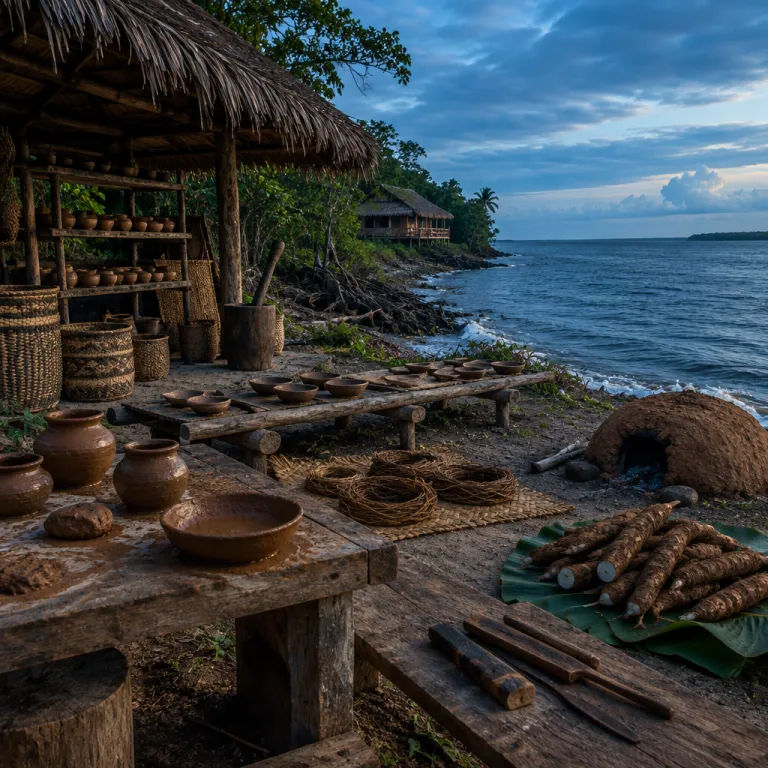
Why amerindian crafts in Guyana belong on a luxury family itinerary
Amerindian crafts in Guyana are not side attractions for rainy days. They are the living grammar of Guyanese cultural heritage, shaping how indigenous communities read the forest, the rivers and the savannah land. For a premium family used to polished lobbies and infinity pools, a day spent with Amerindian communities in Guyana can quietly reset what the word luxury means.
Across this country, from Georgetown’s sea wall edge to the Rupununi’s wide grasslands, indigenous peoples turn wood, clay, vines and cassava into everyday items that carry centuries of traditional skills. These are not generic souvenirs ; they are functional crafts that still anchor culinary traditions, shelter and ceremony for peoples Guyana wide. When you book a high end lodge through a curated Guyana guide such as MyGuyanaStay, you are not just choosing a room category, you are choosing which communities Guyana story you want your children to remember.
Many luxury properties now work directly with Amerindian communities to host small group craft days that feel intimate rather than staged. The best itineraries highlight deep cultural connections by limiting numbers, paying makers fairly and giving you time to sit, watch and try the craft yourself. For families, that slow rhythm is gold ; children handle real crafts local tools, ask questions freely and leave with more than just crafts Guyana purchases in their bags.
Cassava, cassareep and the taste of amerindian heritage
Cassava is the quiet backbone of Amerindian heritage in Guyana, and understanding it changes how you read every plate of Guyanese food. In many indigenous communities, a single cassava root becomes bread, cassareep and animal feed through a sequence of traditional skills that has barely shifted across generations. Watching that process in a village kitchen is one of the most powerful amerindian crafts Guyana experiences a family can share.
Your day often starts with grating cassava by hand, the pale pulp falling into a woven mat that looks like basketry pottery but functions as a press. Amerindian communities twist this long sleeve, sometimes made from nibi vine or tibisiri palm, to squeeze out the toxic juice before the cassava dries on wide iron plates over wood fires. That same darkened juice, slowly reduced, becomes cassareep, the bittersweet base of pepperpot that defines many Guyanese culinary traditions and quietly links city restaurants back to indigenous communities in the interior.
For children, the transformation from root to bread is tangible and unforgettable. They see how indigenous peoples engineered food security in a tropical country where crops can fail and rivers rise fast, and they understand why heritage month celebrations so often highlight deep respect for cassava. If your hotel stay coincides with September Amerindian festivities in Georgetown or the Rupununi, ask your concierge to arrange a cassava focused visit that aligns with community events and the wider festival scene at places like the national stadium in Providence, which you can read about in this guide to how the nation gathers for major celebrations: Guyana’s festival travel insights.
Clay, basketry and bows: material culture in the Rupununi and beyond
Move south into the Rupununi and the craft vocabulary widens from cassava to clay, nibi vine, tibisiri and carefully seasoned wood. In many villages, women shape cooking pots and water jars while men focus on bows and arrows, paddles and structural craft for houses, though these roles can blur in modern communities Guyana wide. A well designed amerindian crafts Guyana day lets your family sit with both, seeing how each item fits into the wider cultural heritage of the nation.
Pottery sessions usually begin with a walk to the clay source, a reminder that every piece starts in the land itself. Back in the village, makers coil and smooth the clay by hand, often etching patterns that echo river currents, animal tracks or the lattice of basketry pottery designs woven from nibi and tibisiri; children quickly notice that the same motifs repeat across different crafts local traditions. When the firing is done over open wood fires, the finished items are not fragile ornaments but robust vessels still used daily in indigenous communities for cooking, storage and ceremony.
Basketry in this country is equally grounded in function. Nibi vine frames and tibisiri palm fibres become carrying baskets, sieves and hammocks that can handle serious weight, while smaller pieces make refined souvenirs that slip easily into a suitcase. If your children are fascinated by bows and arrows, ask your lodge to arrange a short, supervised archery demonstration where an elder explains how indigenous peoples once hunted with these tools, and be sure any place to purchase such items respects local regulations and wildlife conservation ethics, which are explained in more depth in this exploration of how Guyana’s diverse peoples shaped its foodways: the six peoples table.
Design led lodges and how to book an authentic craft day
For luxury travelers, the question is not whether amerindian crafts in Guyana exist, but how to engage with them in a way that feels both comfortable and respectful. The most thoughtful properties in Georgetown and the interior now weave cultural experiences into their design, menus and daily programming, so your suite, your plate and your day trips all speak to the same heritage. When you browse a curated platform like MyGuyanaStay, look for hotels and lodges that clearly credit indigenous communities for the crafts on their walls and the stories in their guest compendiums.
In the capital, some premium addresses commission wood carvings, basketry and clay items from specific amerindian communities, turning lobbies into quiet galleries that support local makers year round. Further south, Rupununi lodges often sit near a host village, and the best of them structure craft days around community priorities rather than guest convenience, limiting group size and ensuring that amerindian crafts Guyana workshops are led by recognised artisans. Before you book, ask direct questions about how the hotel works with indigenous communities, how revenue is shared and whether your visit will coincide with heritage month or September Amerindian celebrations that might affect village schedules.
Architecture can be a useful clue. Properties that take cultural heritage seriously often echo traditional forms in their rooflines, verandas and use of local materials, a topic explored in depth in this feature on design forward hospitality in the country: architectural marvels and design inspirations. When a lodge invests in vernacular design, it usually invests in the crafts local to its surrounding communities, commissioning furniture, lampshades and woven panels that your children will later recognise in the village workshop. That continuity between room and village is what turns a simple craft demonstration into a coherent, memorable narrative for a family.
Buying well: from place of purchase to heirloom at home
Shopping for amerindian crafts in Guyana is not about haggling for the lowest price on a market stall. It is about recognising that each craft item carries time, skill and cultural memory from specific indigenous communities, and paying accordingly so that makers can keep teaching those traditional skills to the next generation. For premium families, this is where values and vacation spending can align very neatly.
The most ethical place to purchase is usually through a community managed craft shop at a village or lodge, where prices are set collectively and proceeds stay within amerindian communities. Here you will find basketry pottery inspired pieces, cassava sieves, carved wood paddles, bows and arrows for ceremonial display and smaller souvenirs such as jewellery or woven coasters that travel easily, all labelled with the maker’s name and village. In Georgetown, some curated hotel boutiques and reputable galleries work directly with communities Guyana wide, offering a quieter, air conditioned setting to choose crafts local to the Rupununi, the Pakaraimas or riverine settlements without the pressure of a crowded market.
Think about longevity when you buy. A well woven nibi basket or a clay pot with a simple, strong profile will sit comfortably in a New York apartment, reminding your children of the land and peoples Guyana long after the trip ends. When you explain that your payment helps support local education, health projects or heritage month events back in the village, the souvenir becomes an heirloom with a story, not just another object on a shelf.
FAQ
Are amerindian craft experiences in Guyana suitable for young children?
Most amerindian craft experiences in Guyana are very family friendly. Activities such as cassava grating, simple basket weaving and clay shaping are hands on without being physically demanding. Ask your lodge to match the workshop length and complexity to your children’s ages and attention spans.
How can I be sure my craft purchases support local communities fairly?
Choose a place of purchase that is either community owned or works transparently with indigenous communities. Look for clear labelling of the maker’s name and village, and do not be afraid to ask how prices are set and how revenue is shared. Hotels and lodges that publish this information openly are usually the most reliable partners.
Do I need to book craft days in advance through my hotel?
Advance booking is strongly recommended, especially during heritage month or other busy travel periods. Craft days depend on the availability of specific artisans in amerindian communities, and respectful operators avoid last minute demands on their time. Your hotel or specialist Guyana guide can coordinate dates that suit both your itinerary and the village schedule.
What should I wear and bring for a day in an amerindian village?
Light, breathable clothing, a hat and closed shoes are usually sufficient for a craft focused visit. Bring insect repellent, sunscreen, a reusable water bottle and small bills in the local currency for any craft purchases. Always ask before photographing people or sacred items, and follow your guide’s advice on etiquette.
Can I take bows and arrows or large wooden items back to the United States?
Some carved wood items and decorative bows and arrows can be exported, but regulations vary by airline and destination. Check customs rules for the United States before you buy, and ask the seller whether the wood species used are permitted. When in doubt, choose smaller basketry or pottery pieces that pose fewer import complications.