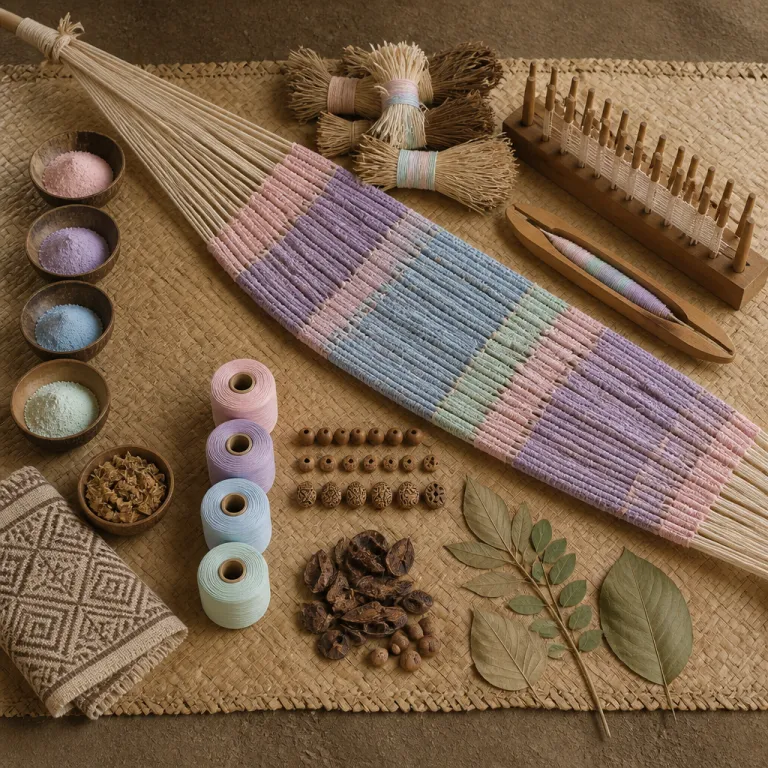
Why hammock making belongs on a luxury Rupununi itinerary
In southern Guyana, luxury is not a marble lobby but time spent in a Rupununi village, watching cotton twist between experienced fingers. A carefully planned guyana amerindian crafts experience turns a family stay at a riverfront lodge into a rare window onto indigenous culture, where hammocks are architecture, bed and cradle in one. For premium travelers used to polished service, this shift from thread count to hand spun thread becomes the detail that defines the entire experience.
Families booking high end eco lodge stays in north Rupununi or deeper into Rupununi Guyana often arrive for wildlife and waterfalls, then leave talking about hammocks and baskets. When your children sit beside Wapishana women and learn how indigenous artists read the cotton’s tension by touch, the word craft stops meaning souvenir and starts meaning survival. This is where a curated guyana amerindian crafts experience outperforms any museum exhibition, because the guides are the very indigenous people who sleep every night in what they weave.
For travelers using a luxury focused platform such as myguyanastay.com, the most rewarding itineraries pair a refined lodge with a community led hammock workshop in Maruranau or another indigenous village. The management teams at these properties now understand that guests want more than a scenic tour ; they want to feel the weight of cultural heritage in their own hands. When you choose a property that partners respectfully with indigenous communities Guyana wide, you support crafts Guyana initiatives that keep traditional craft alive while maintaining indigenous autonomy over how their culture is shared.
Where to learn: Maruranau and other hammock weaving communities
Maruranau, a Wapishana village in the Rupununi, has become a quiet reference point for travelers seeking a serious guyana amerindian crafts experience. Here, indigenous communities host artisan workshop days where visiting families join a structured programme rather than a staged performance, guided by women who have woven hammocks since childhood. The atmosphere is intimate and unhurried, with local guides translating not only language but the layers of culture embedded in every knot.
The typical day follows a clear rhythm that suits both adults and children, and it reflects the dataset used by responsible tour planners. Morning is devoted to cotton preparation and hand spinning, afternoon to weaving demonstrations on simple looms, and evening to a cultural discussion under the stars in front of the lodge or community benab. One of the most useful real verified quotes shared with guests is : “Locally grown cotton is hand-spun and woven.” ; “Indigenous women, particularly from the Wapishana tribe.” ; “Hammocks are integral to daily life and cultural identity.”
Several eco lodge properties in north Rupununi now integrate similar artisan visits into their exclusive tours and tailored experiences, often coordinated through community led tourism groups and the Ministry of Amerindian Affairs. When you book through a platform that specialises in exclusive tours in Guyana, such as the itineraries outlined in this guide to tailored experiences that elevate luxury hotel stays, you gain access to vetted communities Guyana wide that are ready to host respectfully. These partnerships form part of a broader Guyana project to align high end tourism with amerindian heritage, ensuring that indigenous arts and crafts Guyana traditions remain central rather than decorative.
Materials, techniques and the cultural role of hammocks
What makes a Rupununi hammock different from the one slung in a beach resort is not only its length and width, though museum pieces measuring around 228 centimeters by 128 centimeters hint at the scale. The difference lies in how indigenous culture has shaped every stage of production, from planting cotton to the final knot tied by calloused hands. During a guyana amerindian crafts experience, you see that this is less a product and more a living archive of amerindian heritage.
In Maruranau and other villages, Wapishana women show how locally grown cotton is cleaned, teased and spun using simple spindles, while nibbi vine and ite palm fiber appear in parallel demonstrations of basketry and other traditional craft. Children quickly understand that these are not random materials but elements of a cultural system, where each plant has a story, a season and a role in maintaining indigenous lifeways. When indigenous artists explain how hammock patterns signal family ties or life stages, the line between indigenous arts and daily routine disappears.
For families staying at a premium eco lodge, this depth of explanation often contrasts with the lighter cultural programming found elsewhere in Guyana. Some properties now pair hammock workshops with curated art exhibition style displays, showing older pieces beside new work to highlight how indigenous people adapt designs while maintaining indigenous identity. If you are tracking value as carefully as you track luxury hotel promotions, this is where a stay that includes a serious craft tour delivers a different kind of return, one measured in understanding rather than upgrades, as explored in our guide to elevating your stay with premium experiences.
Half day versus full day: what families actually do
Choosing between a half day and full day hammock workshop shapes how deeply your family enters this corner of Guyanese culture. A half day session, often arranged as a gentle tour from your lodge, usually includes a village walk, a weaving demonstration and a chance for children to try spinning cotton under the patient eyes of indigenous artists. You leave with new respect for the work but only a partial sense of how hammocks structure life in Rupununi Guyana communities.
A full day guyana amerindian crafts experience follows a more immersive timeline that mirrors the dataset used by community organisers : morning cotton spinning, afternoon weaving practice, evening cultural discussion with elders and local guides. During these longer visits, guests may help prepare natural dyes, learn how hammock cords are braided for strength and hear stories about how hammocks cradle babies, host visitors and mark rites of passage. While you will not complete a full size hammock in one day, many programmes allow you to take home a small woven panel or braided cord, a tangible reminder of the hours spent working alongside indigenous people.
Parents often ask whether these activities feel too intense for younger children, yet the rhythm of the day is surprisingly gentle, with breaks for river swims or forest walks arranged by the tour guides. Some eco lodge teams integrate the workshop into a broader wellness without a spa menu approach, pairing the slow focus of weaving with forest bathing or river mornings, as described in our feature on wellness at interior lodges. For families used to fast paced city breaks, this measured tempo becomes part of the luxury, allowing everyone to absorb the cultural context rather than rushing from one attraction to the next.
Economic impact, ethics and how to book the right way
Behind every hammock workshop lies a web of management decisions that determine whether your visit genuinely benefits indigenous communities. In the best cases, programmes are community led, with village councils and women’s groups setting prices, controlling group sizes and deciding how income is shared among artisans, local guides and wider community projects. This structure aligns with the goals of the Ministry of Amerindian Affairs and other partners who see cultural tourism as a tool for economic empowerment rather than extraction.
When tourist interest in crafts Guyana wide is channelled through transparent systems, it helps keep traditional craft techniques viable for younger generations who might otherwise leave for urban work. During heritage month celebrations and smaller art exhibition events, you can sometimes see the same Wapishana women who taught your children in Maruranau presenting their work alongside other indigenous artists from north Rupununi and beyond. These moments show how a single guyana amerindian crafts experience fits into a larger Guyana project of maintaining indigenous knowledge while opening carefully chosen windows to the outside world.
Responsible booking starts with asking precise questions of your lodge or tour operator about how they work with indigenous communities Guyana wide, and whether amerindian affairs bodies have been consulted. Look for clear references to community led decision making, fair payment for artisans and long term agreements rather than one off visits arranged by an intermediary named Anthony or any other outside fixer. When those conditions are met, placing your hands on the loom becomes more than a travel anecdote ; it becomes a small but meaningful contribution to sustaining amerindian heritage in Guyana.
FAQ
Which communities in the Rupununi offer hammock making workshops ?
Several indigenous communities in the Rupununi, including Maruranau, host structured hammock making workshops for visitors. These are usually organised through community led tourism groups that coordinate with nearby eco lodge properties and reputable tour operators. Always confirm that the programme is managed by the village itself and that local guides and artisans are paid directly.
What materials are used in Rupununi hammock making ?
Workshops focus on locally grown cotton that is cleaned, teased and hand spun using simple spindles before being woven on basic looms. In some villages, artisans also demonstrate how nibbi vine and ite palm fiber are used for related crafts such as baskets and straps. These materials are chosen for their strength, comfort and deep cultural significance within indigenous culture.
Can I finish a hammock and take it home after one day ?
A full size hammock takes many days of concentrated work, so guests will not complete one during a single workshop. Most programmes instead allow visitors to weave a small panel, braid cords or contribute a few rows to a larger piece that stays in the community. Some villages offer finished hammocks for purchase, providing additional income for indigenous artists while keeping production rooted in the village.
How important are hammocks in Amerindian daily life in Guyana ?
In many indigenous communities, hammocks are the primary way of sleeping, resting and hosting guests, rather than a casual leisure accessory. They function as beds, baby cradles and social spaces, and they often accompany people through major life stages. This central role explains why hammock making is considered a key element of amerindian heritage and not just a decorative craft.
How can I ensure my hammock workshop visit is ethical and respectful ?
Choose a lodge or operator that works directly with village councils and women’s groups, and ask how prices are set and income is shared. Respect local customs by dressing modestly, asking before taking photographs and participating with patience rather than treating the workshop as entertainment. When in doubt, follow the lead of local guides and remember that you are entering a living community, not a staged attraction.