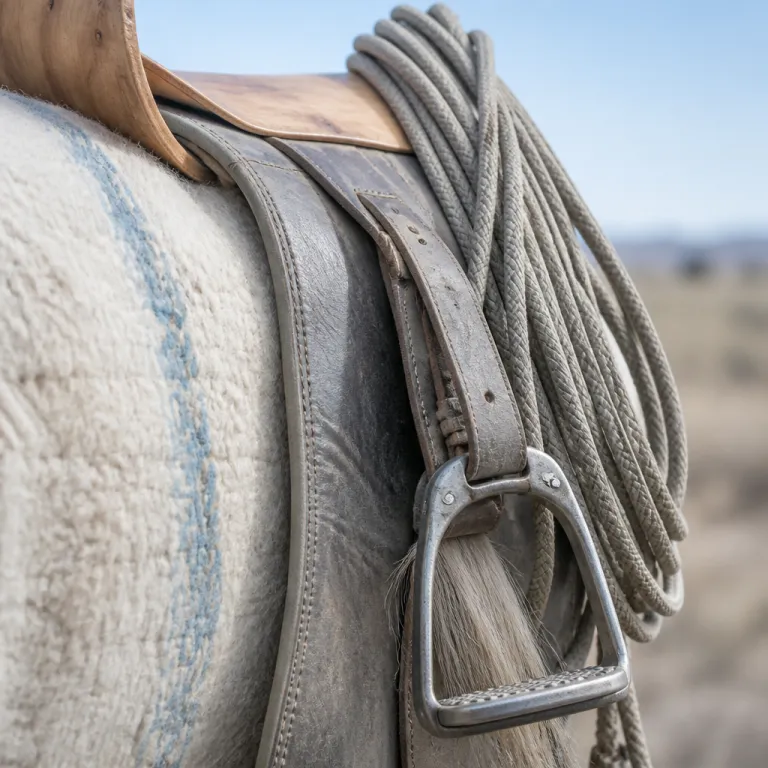
Riding into the Rupununi: why horseback belongs on your Guyana itinerary
Rupununi horseback riding in Guyana is not a staged trail loop. This is a working landscape where cattle, vaqueros and wide open savannah shape daily life, and guests are invited into that rhythm rather than watching from a safari vehicle. When you arrange Rupununi horse riding through a luxury or premium property, you are essentially booking time inside a living cattle ranch culture rather than a conventional resort activity.
The Rupununi savannah stretches for roughly 8,000–10,000 square kilometres, a vast grassland in southern Guyana near the Brazilian border (figures vary by source and whether wetlands are included; the Guyana Lands and Surveys Commission and conservation NGOs quote slightly different numbers). Here, riding is still one of the most practical ways to cross flooded creeks, reach a distant mountain ranch or move cattle between seasonal pastures, so your time in the saddle feels purposeful, not decorative. That authenticity is what sets Rupununi horseback adventures apart from ranch tourism in Argentina or Montana, where guest expectations can sometimes overshadow traditional working ranch routines.
Most luxury travellers will first encounter this region via the border town of Lethem, a low slung frontier settlement that anchors flights and overland routes. From this town of Lethem, transfers fan out to remote ranches on the Rupununi savannah, where a western style saddle and a sure footed horse are still the default transport. The moment you leave Lethem behind, the paved road gives way to red dirt tracks, and the wild horizon opens in every direction; most ranches lie one to three hours away by 4x4, depending on road conditions and whether you travel in the dry or wet season.
From cattle culture to guest experience: inside Rupununi’s working ranches
The vaquero tradition in Rupununi Guyana grew from Amerindian knowledge and Portuguese Brazilian cattle practices. Early in the last century, families established cattle ranch operations across the savannah Guyana grasslands, and many of those properties still function as working ranch enterprises today. When you stay at a ranch that welcomes guests, you are stepping into a cattle operation where the same horses, saddles and vaqueros move between daily work and curated riding experiences.
Places such as Wichabai Ranch and Saddle Mountain Ranch are widely recognised within Guyana’s tourism community as reference points for travellers who want both comfort and authenticity. Wichabai operates as a family run mountain ranch style eco lodge, while Saddle Mountain Ranch offers a guest house atmosphere wrapped around a deep vaquero heritage. Both properties sit within the wider Rupununi savannah, so your horseback rides move through real grazing areas, not fenced paddocks created only for tourism; local tourism boards and regional guides routinely highlight these ranches as benchmarks for responsible, community based travel.
On a typical day, you might ride out at first light with local vaqueros as they check cattle, scan for wildlife and read the weather on the horizon. The same horse that carried you at dawn may later help shift a small herd, giving you a front row view of cattle handling techniques that have changed little over generations. One visiting rider described the experience as “the first time I felt my horse was part of the work, not just part of the holiday,” and many vaqueros echo that sentiment when they explain how horse, rider and landscape function together as a single system.
What a day in the saddle really feels like in the Rupununi
A full day in the saddle on the Rupununi savannah is physically demanding yet deeply rewarding. Heat builds quickly once the sun clears the low mountain ridges, so most ranches schedule longer horseback rides in the early morning and late afternoon. Expect two to four hours of riding at a time, with generous breaks for water, shade and unhurried conversations with your local guides about ranch history, wildlife and weather patterns.
The terrain shifts from open savannah to gallery forest, from sandy creek beds to the flanks of Saddle Mountain, and your horse adjusts pace accordingly. In the dry season, roughly from late November to April according to regional climate summaries, the ground is firm and the riding lines are wide, which suits intermediate riders who want to cover distance and feel that western style canter across open country. During the wet season, usually May to August, parts of the Rupununi savannah flood, turning some routes into slow, contemplative rides where you pick your way between pools alive with birdlife such as jabirus, herons and ibis.
Skill levels are matched carefully, so first time riders can still enjoy Rupununi horseback experiences without anxiety. More experienced guests can join low key cattle work, opening gates, flanking small groups of animals or simply shadowing the vaqueros as they manage a working ranch routine. Either way, you will feel the difference between a horse that spends its life in the wild spaces of southern Guyana and one that circles a resort arena, a distinction many repeat visitors mention when comparing Rupununi riding holidays with other destinations.
Wildlife, sunsets and the wider Rupununi itinerary
Horseback travel changes how you encounter wildlife in this part of Guyana. Moving quietly across the savannah on a horse often allows you to approach species such as giant anteaters with less disturbance than a vehicle would cause; local guides note that these animals typically rely on hearing and scent more than sharp eyesight, so a calm horse at a walk can feel less threatening than an engine. Guides routinely combine Rupununi horseback riding in Guyana with early morning wildlife tracking, using local knowledge of wind, light and animal behaviour.
Sunset rides are a highlight at many ranches, especially around Saddle Mountain and other low peaks that frame the Rupununi savannah. As the light softens, you may ride up a gentle mountain slope, tie your horse and watch the sky burn orange over the savannah Guyana grasslands while cattle drift back toward water. These moments feel intensely private, because guest numbers remain low and the landscape is large enough to swallow any sense of crowding, a point often emphasised in regional tourism statistics that track comparatively modest annual visitor figures.
Most luxury travellers pair time on a ranch with river based wildlife lodges or rainforest stays elsewhere in Guyana. A few days of horseback riding, cattle ranch immersion and sunset views near the border town of Lethem combine well with flights to Kaieteur Falls or boat journeys in the North Rupununi wetlands. This broader itinerary lets you experience both the dry savannah life of the south and the dense forest wildlife of central Guyana in a single, coherent journey.
Planning your stay: seasons, logistics and where to book
Choosing the right season will shape your Rupununi horseback riding in Guyana more than almost any other factor. The dry months favour longer rides across the Rupununi savannah, easier access to remote mountain ranch locations and more predictable cattle work. The wetter months bring dramatic skies, flooded grasslands and a different kind of adventure, with shorter but visually striking rides that thread between seasonal lakes.
Access usually runs through the town of Lethem, which functions as both a supply hub and a relaxed border town linking Guyana and Brazil. From Lethem, ranch vehicles or pre arranged transfers carry you out to properties such as Wichabai Ranch or Saddle Mountain Ranch, where your accommodation, meals and horseback activities are bundled into clear, pre booked packages. Luxury and premium travellers can expect typical full board ranch stays, including guided riding, to start from mid range prices and rise to higher nightly rates at the most exclusive properties; working with a specialist platform such as MyGuyanaStay, which curates ranch stays alongside high end lodges and notes current domestic flight schedules into Lethem, can also help you decide where to eat in Georgetown before or after your savannah time, including options mapped in its concierge grade guide to the capital’s best restaurants.
Pack light, breathable clothing, a wide brimmed hat, high factor sunscreen and insect repellent, then add riding specific gear such as long trousers and closed shoes that sit comfortably in a western style saddle. Respect for local customs matters as much as your packing list, because you are entering family homes and long established cattle operations rather than anonymous hotels. As one local explanation puts it, “What is a vaquero? A traditional cowboy in the Rupununi region who knows every creek, hill and pasture by heart.”
FAQ
Where are the Rupununi savannahs located in Guyana ?
The Rupununi savannahs lie in southern Guyana, close to the Brazilian border. This area surrounds the Upper Takutu Upper Essequibo region and is accessed mainly through the town of Lethem. From this border town, travellers transfer by vehicle or small aircraft to remote ranches scattered across the grasslands, with scheduled domestic flights from Georgetown typically taking about one and a half hours.
What is a vaquero in the Rupununi context ?
A vaquero in the Rupununi is a traditional cattle herder who works on large ranches. These cowboys combine Amerindian knowledge of the land with techniques that arrived from Portuguese Brazilian cattle culture. Many vaqueros now guide guests on horseback, sharing both riding skills and stories from ranch life, and some have been working cattle since childhood, giving them decades of practical experience.
What activities can guests expect on a Rupununi ranch stay ?
Guests on a Rupununi ranch stay can expect guided horseback riding, informal participation in light cattle herding and cultural immersion with local families. Some properties also offer wildlife walks, river trips or visits to nearby Amerindian communities. The emphasis remains on authentic daily routines rather than staged performances, a distinction often highlighted in guest reviews and regional tourism training programmes.
Is Rupununi horseback riding suitable for beginners ?
Rupununi horseback riding can be suitable for beginners when arranged through experienced ranches that match horses and routes to each rider. Guides usually start novices with shorter rides on calm horses, focusing on comfort in the saddle and basic control. More advanced riders can then progress to longer excursions or low intensity cattle work, with safety briefings and helmets commonly provided as part of standard operating procedures.
How does a Rupununi ranch stay compare with ranch tourism elsewhere ?
A Rupununi ranch stay differs from ranch tourism in Argentina or Montana because most properties remain fully operational cattle ranches first and guest operations second. The scale of the savannah and the low visitor numbers create a sense of solitude that is hard to replicate in more developed destinations. For many travellers, that balance of working ranch authenticity and emerging guest infrastructure is the main reason to prioritise Rupununi Guyana in their South American plans, especially when they want a horseback holiday that still feels rooted in local livelihoods.