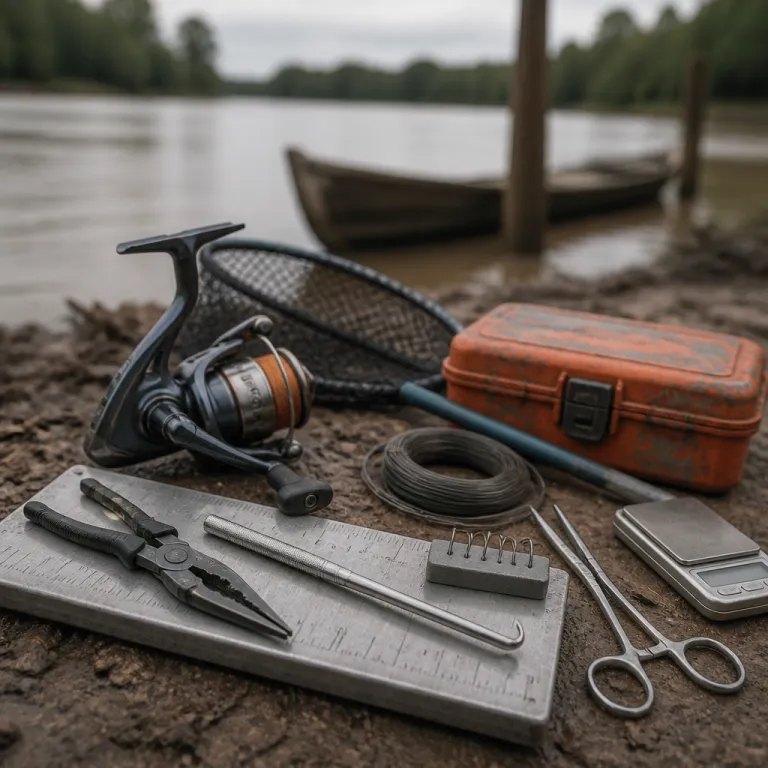
Essequibo river fishing in Guyana’s last great frontier
The Essequibo River fishing scene in Guyana is still quiet, wild, and deeply rewarding. This giant waterway cuts through dense jungle on its way toward the Atlantic, creating a freshwater fish corridor that feels closer to the Amazon Basin than to the Caribbean coast. For anglers who want a serious adventure rather than a crowded pier, this river system will reset expectations of what a fishing trip in South America can be.
Local fishing guides lead small groups by wooden skiff at first light, reading currents and deep pools where multi species shoals hold tight. They know which bends shelter arapaima, which submerged trees hide leopard catfish, and which quieter channels are better for peacock bass or wolf fish. International anglers arrive expecting only big catfish and leave talking about the subtle differences between black piranhas, red tails, and the many other species that move through this jungle corridor.
From the moment you clear immigration at Cheddi Jagan International Airport (CJIA), the shift from city to interior is fast. Short domestic flights of around an hour and river transfers link Georgetown with remote fishing lodge properties along the Essequibo and its tributaries, each lodge offering a slightly different balance of comfort and immersion. The best operations keep guest numbers low, often with double occupancy cabins and a focus on catch and release fishing that respects the river and the communities who live along it.
Where to stay: lodges, river camps, and piraiba specialists
Choosing the right lodge along the Essequibo River in Guyana shapes everything about your days on the water. Some properties feel like classic jungle camp experiences, with hammocks, kerosene lamps, and the river only a few metres from your door. Others operate as more polished fishing lodge bases, pairing air conditioned rooms with serious boats, experienced guides, and well organised tackle storage.
Dedicated anglers often look for a specialist operation such as a piraiba lodge, where the focus is on giant catfish that can reach extraordinary lbs and test even heavy tackle. These lodges usually sit close to deep pools and confluences, ideal for targeting piraiba, red tails, and other heavyweight species during multi day itineraries. If you prefer a broader adventure, consider a mixed activity lodge that combines days fishing with wildlife tours, short jungle treks, and visits to nearby communities.
For solo travelers, double occupancy policies and clear terms and conditions matter as much as the fishing program. Some lodges charge a supplement for single use of a room, while others pair solo guests who are comfortable sharing to keep costs reasonable. Before you book, read the terms conditions carefully and ask whether your Essequibo River fishing package includes domestic flights, transfers from the international airport, and any conservation levies that support local eco tourism initiatives such as sustainable fishing practices.
To understand how Guyanese properties design immersive experiences around landscape and culture, it is worth reading about the Rupununi savannahs by horseback and how vaqueros built a guest experience from cattle culture on MyGuyanaStay’s dedicated feature. The same philosophy now shapes river based stays, where the quality of your Amerindian guide often matters more than thread counts or wine lists. In this part of South America, the most memorable luxury is usually measured in silence, starlight, and the moment a guide spots a giant otter before you have even raised your binoculars.
Species, techniques, and the ethics of catch and release
Guyana’s interior rivers hold more than 300 fish species, and the Essequibo River is the main stage for serious anglers. Here you can target arapaima, widely regarded as the world’s largest freshwater fish, alongside peacock bass, wolf fish, leopard catfish, and toothy black piranhas in the same stretch of water. Many itineraries are designed as multi species adventures, with each day focusing on a different habitat or technique.
Fly fishing and spin fishing both work well in this environment, and most lodges provide rods, reels, and artificial lures suited to local conditions. Heavy outfits are essential for arapaima and big catfish, while lighter tackle brings out the best in peacock bass, black piranha, and other aggressive predators that patrol structure along the banks. Guides will often shift from casting to trolling or bait fishing as light and water levels change, ensuring that every day on the river feels distinct.
Catch and release is the default approach for guided fishing operations on the Essequibo that take conservation seriously. Local partners such as Amerindian community guides often explain it in simple terms, answering common questions clearly for first time visitors.
What is catch and release fishing? It is a fishing method where fish are caught and released alive. Why practice catch and release? To conserve fish populations and promote sustainability. Is catch and release effective? Yes, when done properly, it helps maintain fish stocks and supports long term eco tourism in Guyana’s interior.
These principles are not abstract talking points for eco tourism brochures. Guides show you how to support heavy fish properly, how to minimise air exposure for arapaima and other freshwater fish, and how to revive tired bass before release. One veteran guide summed it up after a long day on the water : "If that fish swims away strong, we’ve done our job right." The goal is simple : healthy fish stocks that can support both local subsistence fishing and a small but high value tourism sector for decades to come.
Planning your trip: seasons, logistics, and what luxury means here
Timing an Essequibo River fishing trip is less about chasing a single peak week and more about matching your priorities. Lower water, typically from late September into early February, often concentrates fish in deep pools and side channels, which can be ideal for targeting arapaima, catfish, and peacock bass. Higher water during the main rainy periods opens up back lagoons and flooded jungle edges, better for exploring by canoe and enjoying the full drama of this Amazon influenced system.
Comfort levels at any fishing lodge also shift with the seasons, especially in remote parts of Guyana’s interior. Cooler nights and fewer insects can make a simple camp feel indulgent, while hotter, wetter periods reward properties that have invested in better ventilation, screened rooms, and thoughtful details such as quick drying linens. When you compare itineraries, ask not only about days fishing but also about how the lodge manages heat, humidity, and river levels across the year.
Reaching the Essequibo usually involves a flight into the international airport near Georgetown, followed by domestic flights and boat transfers deeper into the interior. Carriers such as Trans Guyana Airways and Air Services Limited typically operate small aircraft with strict luggage limits, often around 15 kg including hand baggage, so you should pack light, prioritising breathable clothing, essential tackle, and high quality insect repellent over bulky gear. Many lodges provide rods and heavy equipment, so you can focus on a compact kit and ensure that your travel insurance covers remote medical evacuation, missed domestic flights, and adventure activities such as jungle treks and river tours.
Luxury in this context is not about marble bathrooms or long wine lists. It is about reliable boats, a strong safety culture, guides who know where the giant river bends hold arapaima, and a kitchen that can turn simple ingredients into satisfying meals after a long day on the water. For a deeper look at how high end operators in Guyana design exclusive tours and tailored experiences that elevate premium hotel booking, MyGuyanaStay’s editorial coverage offers a useful benchmark for what you should expect at the top end of the market.
Beyond the rod: wildlife, culture, and reading the river
Even the most focused anglers find that Essequibo River itineraries quickly become about more than just the next strike. Dawn runs to distant pools double as wildlife safaris, with giant otters, macaws, and sometimes even jaguars appearing along the banks. Between casts, guides point out medicinal plants, old camp sites, and subtle signs of how the river has shifted over seasons.
Many lodges now weave cultural encounters into their days fishing, often in partnership with nearby Amerindian communities. You might pause a tour to visit a village, share a meal, or watch traditional craftwork that has evolved alongside subsistence fishing on this same river. These moments add context to every arapaima release and every bass landed, reminding guests that this is not an empty wilderness but a lived in landscape where the river is central to daily life.
On non fishing days, short jungle treks and canoe excursions reveal quieter side channels where black piranhas and other species hunt beneath overhanging branches. Some guests choose to spend a day birding rather than casting, trading wolf fish and leopard catfish for harpy eagles and scarlet macaws. The best itineraries build in this flexibility from the start, allowing you to shift between pure fishing lodge intensity and slower paced exploration as your energy and curiosity change.
Responsible operators also encourage guests to understand local regulations and the logic behind them. Before you travel, check the latest rules on gear, protected zones, and any seasonal closures designed to protect spawning fish. When lodge teams, local fishing guides, and visiting anglers all respect these frameworks, the Essequibo can remain one of South America’s most intact river systems for both adventure and conservation.
FAQ
What makes essequibo river fishing in Guyana different from other South American destinations ?
The Essequibo is a giant river that remains lightly fished compared with many Amazon tributaries, which means lower angler pressure and healthier fish populations. You can target arapaima, peacock bass, wolf fish, catfish, and various piranha species in the same trip, often within a short boat ride of your lodge. The combination of intact jungle, small scale fishing lodge operations, and strong catch and release ethics creates a rare balance of adventure and sustainability.
Do I need previous fishing experience to enjoy a trip here ?
Previous experience helps when handling powerful fish, but it is not essential. Local fishing guides are used to working with both seasoned anglers and first timers, adjusting techniques and tackle to suit each guest. If you are new to fishing, focus on a multi species itinerary with shorter days fishing and more time for wildlife watching and cultural visits.
What kind of gear should I bring for an essequibo river fishing Guyana itinerary ?
Because domestic flights into Guyana’s interior have strict luggage limits, most travelers bring a compact selection of personal gear. Lightweight clothing, quality rainwear, sun protection, and insect repellent matter more than a large tackle box, as many lodges supply suitable rods, reels, and lures. If you have favourite fly fishing or spin setups, confirm with your lodge which line weights and lure sizes best match local species such as arapaima, peacock bass, and large catfish.
How does catch and release work in practice on the Essequibo ?
On guided tours, fish are landed quickly, kept in the water whenever possible, and released after a brief photo if conditions allow. Guides show guests how to support heavy fish like arapaima horizontally, avoid touching gills, and revive tired specimens before letting them swim away. This approach aligns with local conservation goals and helps maintain healthy stocks of freshwater fish for both communities and future anglers.
Is travel insurance necessary for a fishing lodge stay in Guyana’s interior ?
Comprehensive travel insurance is strongly recommended for any remote river trip in South America. Policies should cover medical evacuation, missed or delayed domestic flights, and adventure activities such as boat based tours and jungle treks. Given the distance from major hospitals and the reliance on small aircraft, this layer of protection is as important as your rod or reel.