Why Saturday cook-up rice in Guyana matters for luxury travelers
Cook-up rice on a Saturday is the quiet heartbeat of Guyanese family life. In the capital, Georgetown, and in riverfront towns, the week bends toward that evening when a single pot of rice, peas, meat and coconut milk simmers down into something far greater than the sum of its parts. For a premium family staying in a luxury hotel, understanding this rhythm turns a standard stay into an immersion in how Guyana actually eats.
Locals speak of “cook-up” as both a dish and a ritual, a way to cook rice slowly with black eyed peas or pigeon peas, salted meat and fresh green seasoning while the house fills with the scent of garlic and wiri peppers. The traditional Guyanese approach is unhurried ; the pot goes on in the late afternoon, cups of rice and cups water measured by feel rather than by recipe, and everyone knows they will eat when the rice guyanese style has absorbed every drop of coconut milk. Children drift in and out of the kitchen, watching peas cook and hearing stories about how grandparents stretched dried beans and canned beans to feed large households in another year.
For visitors, especially families, this makes cook up rice Guyana’s most approachable culinary gateway, far less intense than pepperpot yet more layered than simple grilled meat or fried fish. It is a dish that welcomes cautious eaters, because the rice and peas beans base feels familiar, while the guyanese cook can add gentle heat with wiri peppers or keep the black eyed peas mild for younger palates. When you plan a luxury stay, ask your concierge when staff usually cook minutes away from service on Saturdays, and whether you can join the kitchen briefly to see the pot in its final bubbling stage.
From six peoples to one pot: how ingredients tell Guyana’s story
Every spoonful of cook-up rice in Guyana carries the history of the country’s “six peoples” on one plate. African techniques of one-pot cooking meet Indian spices, European cuts of meat, Chinese aromatics and Amerindian knowledge of local beans and coconut milk, all folded into a guyanese dish that feels both humble and quietly luxurious. When you sit down to a bowl in a polished hotel dining room, you are tasting a story that no tasting menu can fully script.
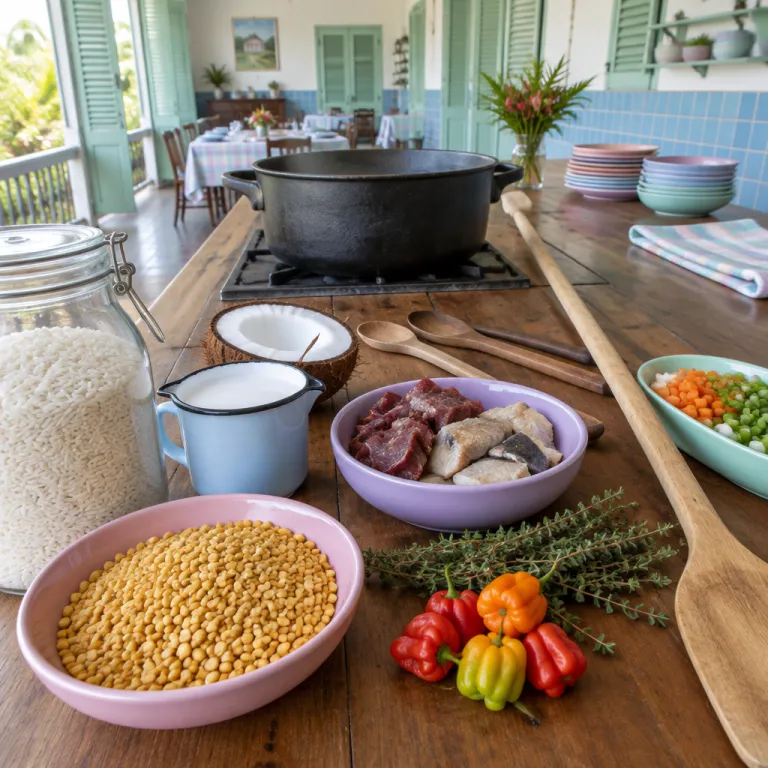
The base is always rice, usually long grain, washed until the water runs clear, then left to cook rice gently with black eyed peas or sometimes pigeon peas, a nod to African and Indian foodways. Many traditional Guyanese families still prefer dried beans, soaking the dried peas and other dried beans overnight before they peas cook in fresh cups water with garlic, green seasoning and a measured teaspoon salt, while some urban cooks now rely on canned beans or canned peas to save minutes on a busy Saturday. Into this same pot, guyanese cook salted beef, pig tail or other meat, sometimes alongside vegetables, letting the peas add starch and body so the final dish feels rich without excess fat.
Coconut milk is the quiet luxury ingredient, whether pressed fresh or poured from a can, turning simple rice guyanese style into something almost silken. As the liquid reduces, cooks adjust seasoning, maybe a teaspoon of black pepper, maybe a few slices of black wiri peppers for those who like heat, then mix well so every grain glistens. In a refined property such as a coastal Georgetown hotel with a serious kitchen, chefs often echo this heritage, plating the dish with grilled seafood or slow braised meat while still respecting the one-pot soul.
Where to base yourself for the best Saturday cook-up experiences
Choosing the right hotel in Guyana is not only about thread count and pool design ; it is also about how close you are to an authentic Saturday cook-up rice table. In Georgetown, premium family friendly properties near residential neighborhoods give you easy access to small eateries and home style restaurants that serve rice guyanese style in generous portions. Ask your concierge which nearby spots are known for black eyed peas versions, which for pigeon peas, and which guyanese cook prefers a lighter coconut milk finish.
In the interior, lodges along the Essequibo and in Rupununi often treat cook-up rice as a weekly anchor, using local meat and freshly grated coconut to create a dish that tastes subtly different from the coastal version. After a day of exploring trails or flying to Kaieteur Falls, returning to a communal table where a single pot has been bubbling for minutes over a wood fire can feel like the most luxurious amenity on property. When you plan a stay near the falls, look for properties highlighted in guides to luxury journeys around Kaieteur National Park, and ask in advance whether Saturday cook-up is part of the kitchen’s rhythm.
For families, the key is flexibility and familiarity ; rice, peas beans and mild meat are easy wins with children, while adults can request extra wiri peppers on the side. Some hotels will happily prepare a smaller pot earlier in the evening so younger guests can eat at their usual hour, then keep the main dish warm for parents returning from a later drink at the bar. Whether you are in a polished city hotel or a river lodge, the most memorable cook up rice Guyana moments often happen when you are invited to stand by the stove, watch the peas add their creaminess and see the chef mix well just before serving.
How to read a menu: cook-up rice, pepperpot and metemgee
Once you understand the basics of cook-up rice, navigating a Guyanese menu in a luxury hotel becomes far easier. Cook-up is always a one-pot rice dish where cooks cook rice together with peas, beans and meat in coconut milk, usually served on Saturdays and often labeled simply as “cook-up” or “Saturday cook-up”. Pepperpot and metemgee, by contrast, are stews that may share some ingredients but behave very differently on the plate.
Pepperpot is the national dish, an Amerindian origin meat stew built around cassareep, the dark, bittersweet reduction of cassava juice that gives it a glossy black color and a long keeping quality. It is usually served with bread or plain rice rather than having the rice guyanese style cooked directly in the pot, and while it can include wiri peppers, the heat is often more subtle than the name suggests. Metemgee is another traditional Guyanese favorite, a thick coconut milk based stew of ground provisions such as cassava, plantain and sweet potato, sometimes with meat or fish, where cooks may peas add dumplings or vegetables but rarely mix well with rice in the same pot.
On a hotel menu, look for clues in the description ; if you see black eyed peas, pigeon peas, coconut milk, cups water and a note that everything cooks together for many minutes, you are likely looking at some version of cook-up rice. If the description focuses on cassareep, long simmered meat and a dark, almost black sauce, that is pepperpot, while metemgee will highlight root vegetables and a creamy coconut broth. For a premium family, starting with cook up rice Guyana style is often the best first step, then branching out to pepperpot and metemgee once everyone is comfortable with the flavors of garlic, green seasoning and peas beans in their new culinary landscape.
Recreating Guyanese cook-up rice from your hotel kitchen or back home
Some luxury villas and extended stay suites in Guyana now offer small kitchens, giving food curious travelers a chance to cook up rice themselves. Even if you are not cooking on site, watching a hotel chef prepare the dish and then recreating that recipe back home can keep the memory of your trip alive long after the flight. The method is simple, but the details matter, and they explain why traditional Guyanese families still treat Saturday as a special cooking day.
Start with two cups of rice, rinsed until the water runs clear, then set aside while you prepare your peas and beans. If you use dried beans such as black eyed peas, pigeon peas or other dried peas, soak them for several hours or overnight, then peas cook them in fresh cups water with a teaspoon salt, garlic, green seasoning and perhaps a small piece of smoked meat until they are just tender. If time is short, canned beans or canned peas are acceptable, but many guyanese cooks will tell you that dried beans give a deeper flavor and a creamier texture once everything has simmered together for at least thirty to forty cook minutes.
In a heavy pot, sauté aromatics in a little oil, then add your meat, whether salted beef, chicken or another cut, browning lightly before you add the rice, peas beans and enough coconut milk plus water to cover by about two centimeters. Season with another teaspoon salt if needed, a pinch of black pepper and, if your family enjoys heat, a few slices of wiri peppers, then mix well so every grain is coated. Bring to a boil, reduce to a gentle simmer, cover and cook minutes more until the liquid is absorbed and the rice guyanese style is tender, then let the pot rest off the heat for ten minutes before fluffing and serving, ideally after a day of doing very little beyond reading guides such as this site’s reflection on the art of slowing down at a Guyana lodge.
FAQ
Is cook-up rice in Guyana suitable for children and cautious eaters ?
Cook-up rice is one of the most family friendly Guyanese dishes, because the base of rice, peas and mild meat feels familiar to children. In most hotels, chefs can reduce or omit wiri peppers and serve the dish with extra coconut milk for a softer flavor. You can always ask the kitchen to keep the seasoning gentle and offer hot sauce on the side for adults.
Can I find vegetarian or vegan versions of cook-up rice in Guyana ?
While traditional Guyanese cook-up rice usually includes meat, many urban restaurants and some hotel kitchens now prepare vegetarian versions on request. These rely on peas beans, dried beans or canned beans, coconut milk and green seasoning for depth, sometimes adding vegetables like pumpkin or okra. Always call ahead or speak with your concierge so the kitchen can plan a meat free pot for Saturday.
Do luxury hotels in Guyana always serve cook-up rice on Saturdays ?
Not every luxury property follows the Saturday cook-up tradition, especially those with more international menus. However, many Georgetown hotels and interior lodges still treat Saturday as the natural day for a one-pot rice guyanese style dish. When booking, ask specifically whether the restaurant offers cook up rice Guyana style on weekends and whether guests can see the pot in the kitchen.
How spicy is traditional Guyanese cook-up rice ?
The base recipe is usually gently seasoned with garlic, green seasoning and a little black pepper, with heat adjusted by adding wiri peppers toward the end. In family homes and hotels alike, the cook can peas add more or less chili depending on who is eating. If you prefer mild food, simply request that the peppers be served on the side and the main pot kept fragrant rather than fiery.
What is the main difference between cook-up rice and pepperpot for travelers ?
Cook-up rice is a one-pot dish where rice, peas and meat cook together in coconut milk, typically enjoyed on Saturdays as a comforting family meal. Pepperpot is a cassareep based meat stew, darker and more intense, usually served with bread or plain rice and often associated with holidays. For many visitors, starting with cook-up rice offers a gentler introduction to Guyanese flavors before exploring pepperpot and other traditional dishes.