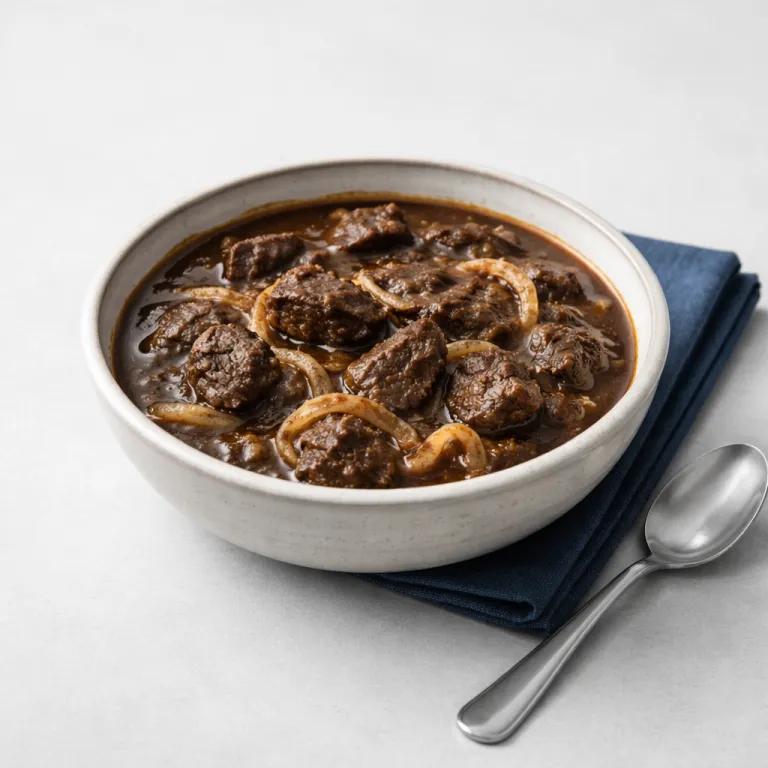
From riverside fires to reservation lists: how Guyana pepperpot reached the luxury table
Guyana pepperpot began as an Amerindian survival technique, not a restaurant showpiece. Over generations, Guyanese households turned that practical meat stew into a celebratory centrepiece for Christmas and high days, simmering beef, oxtail and cow heel in a pot perfumed with cassareep and green seasoning. Today, luxury travellers land in Georgetown expecting a polished version of Guyanese pepperpot, yet many hotel dining rooms still serve something closer to a rushed brown meat stew than the slow, cassareep-rich original.
The irreplaceable ingredient is cassareep, a thick, dark syrup made from cassava root that both seasons and preserves; traditional cooks add it in generous, almost ceremonial quantities. One classic description from Guyanese community cookbooks puts it plainly: “Cassareep is a thick syrup made from cassava root, used as a preservative and flavoring.” Without enough cassareep in the pot, the flavour stays flat, the meat never quite turns that characteristic glossy brown, and the dish loses the gentle heat that should linger long after the last piece of plait bread has gone.
Time is the second non-negotiable luxury, whether you cook on a stovetop, over coals or in a slow cooker tucked into a guesthouse kitchen. Traditional Guyanese recipes speak in hours, not minutes, because the beef, oxtail and cow heel must surrender slowly to low heat and water scented with black pepper, wiri peppers and sometimes a Scotch bonnet. That long cook transforms tough meat into silk, while the cassareep, brown sugar and green seasoning reduce into a sauce so dense and brown it stains bread, plates and memory in equal measure.
Backyard Café: the tiny Georgetown kitchen rewriting pepperpot’s reputation
In Georgetown’s residential grid, Backyard Café hides behind an unmarked gate, yet food-focused travellers now routinely plan a stay around its reservation-only Guyanese pepperpot dinners. Local press profiles and travel features consistently note that chef Delven Adams works strictly by booking, with no casual walk-ins, because he shops to order at nearby markets. He collaborates with farmers and butchers, choosing beef chuck roast, oxtail and cow heel, then layering them into a large pot with green seasoning, black pepper, wiri peppers and a measured cup of cassareep. As the meat stew begins to brown, he will add water by instinct rather than recipe, adjusting the level until the liquid barely covers the meat before the long cook begins.
The result, several hours later, is a pepperpot that feels both ancestral and sharply edited for modern palates. The cassareep gives a deep mahogany colour and a pepperpot-rich sheen, while the mix of wiri and Scotch bonnet keeps the heat firm but never aggressive, so you taste cinnamon, clove and fresh green herbs before the fire arrives. Served with thick slices of house plait bread instead of generic bread rolls, this Guyanese pepperpot lets you drag each bite through the brown sauce, testing how the seasoning shifts from the top of the pot to the bottom where the oxtail pieces hide.
Backyard Café runs on commitment, not walk-ins, which matters for anyone booking a luxury hotel nearby. You email or message ahead—most guests contact the chef directly via WhatsApp or Instagram, as noted in regional travel features and the café’s own social pages—then confirm again close to the date; if you fail to reconfirm, the table and the carefully sourced meat quietly vanish from the plan. Travel writers covering Georgetown’s dining scene, including contributors to regional airline magazines, now describe Backyard Café as a must-book stop, and concierges at high-end addresses routinely place it at the top of any credible map of where to eat in Georgetown when you are staying at a luxury hotel, precisely because it treats pepperpot as a destination meal rather than a token Christmas morning special.
Inside the pot: cuts, timing and the quiet theatre of service
Watch the Backyard Café team work and you understand why most hotel kitchens rarely match this Guyanese pepperpot. They start by searing beef chuck roast and oxtail in a heavy pot until the surfaces turn a deep brown, then add cow heel pieces that will lend gelatin and body to the final meat stew. Only after this careful browning do they add green seasoning, black pepper, wiri peppers, a Scotch bonnet or two and enough water to loosen the fond before pouring in a generous cup of cassareep.
The cook keeps the heat low, whether on a stovetop flame or an outdoor burner, and resists every temptation to rush the process with a pressure cooker, because the goal is not speed but texture. Over roughly three hours, sometimes a few minutes more, the meat relaxes while the cassareep, brown sugar and spices reduce into a glossy, almost syrupy sauce that clings to each piece of beef and oxtail. This is where the Guyanese tradition of reheating over several days shows its genius, since each gentle reheat deepens the flavour and makes the pepperpot rich enough to carry an entire tasting-menu course.
Service at Backyard Café mirrors the care in the pot, which matters for luxury travellers used to fine-dining choreography. Bowls arrive steaming, with the meat arranged so you can see the different cuts, and a side of plait bread or soft white bread ready to soak up the sauce. For guests who have just stepped out of a river-facing suite or a spa treatment booked through a fine dining experiences guide such as this overview of fine dining experiences through luxury and premium hotel booking websites in Guyana, that first spoonful of Guyanese pepperpot often becomes the most vivid memory of their Georgetown stay.
Classic stew or risotto riff: which pepperpot suits your trip ?
Not every traveller wants the same relationship with Guyana pepperpot, and Georgetown now offers a quiet spectrum of interpretations. At one end sits the Backyard Café version, a traditional meat stew where beef, oxtail and cow heel simmer for hours with cassareep, green seasoning and wiri peppers until the sauce turns almost black and the meat yields at the touch of a spoon. At the other end, places such as Bistro Café and Bar serve a modern pepperpot risotto, folding shredded Guyanese pepperpot meat and reduced sauce into creamy rice for guests who prefer European textures with Guyanese flavour.
If you are the kind of solo explorer who books a river lodge for wildlife and a city hotel for gastronomy, you probably want both versions. Plan one night for the full bowl, eaten with plait bread or crusty bread and maybe a glass of Demerara rum, then another for the risotto, where the pepperpot recipe becomes a background note rather than the entire story. The risotto suits travellers who find long-cooked meat and visible fat from oxtail or cow heel challenging, while the classic pot rewards those who enjoy the full spectrum of textures that slow-cook methods and repeated minutes of gentle heat can produce.
Hotel concierges sometimes steer nervous guests toward safer, thinner stews that barely use cassareep, but that caution often robs them of the dish’s soul. A credible Guyanese pepperpot should always show a dark brown surface, a noticeable sheen from reduced cassareep and brown sugar, and a balanced heat from wiri peppers or Scotch bonnet that never overwhelms the seasoning. When in doubt, ask whether the kitchen reheats the same pot over several days during the Christmas season, because that practice signals respect for tradition and usually delivers the deepest flavour.
Hotel strategies: how to eat serious pepperpot on a luxury stay
For travellers using a luxury and premium hotel booking website in Guyana, the smartest move is to plan your pepperpot experiences alongside your room choices. In Georgetown, choose properties within a short drive of Backyard Café—most guests aim for central neighbourhoods such as Kitty or Queenstown—then ask the concierge to secure a reservation and confirm the menu so the kitchen can source the right meat and cassareep in advance. If your stay overlaps with Christmas, request a breakfast or brunch slot that includes Guyanese pepperpot, because many Guyanese households still serve it on Christmas morning with thick slices of bread and strong coffee.
Families travelling with a curious child or a serious home cook should push one step further. Several guesthouses and smaller luxury properties will arrange a private pepperpot lesson in their own kitchen, where you can help brown the beef and oxtail, add green seasoning and black pepper, then watch as the cook measures water and that crucial cup of cassareep into the pot. Some hosts will even demonstrate both a traditional stovetop version and a modern slow cooker or pressure cooker adaptation, explaining how each method changes the minutes of active work, the final texture and the way the heat from wiri peppers or Scotch bonnet threads through the sauce.
Outside the capital, river lodges and rainforest retreats increasingly understand that Guyanese pepperpot can anchor a tasting menu as confidently as any imported steak. When you book, ask whether the chef prepares a house pepperpot recipe and whether they use local beef, oxtail or wild game, then plan a spa day or wildlife excursion around that meal, perhaps pairing it with a wellness-focused stay inspired by elevating spa and wellness experiences at Guyanese luxury hotels. Handled this way, Guyana pepperpot stops being a token side dish and becomes the narrative spine of your trip, linking hotel, household and hinterland in one slow-cooked line.
Backyard Café logistics for travellers
Chef: Delven Adams
Typical pepperpot price range: usually mid-range by Georgetown standards, often comparable to a main course at an upscale bistro
How to book: advance reservation only via email, phone, WhatsApp or social media message; reconfirm close to the date
Opening pattern: generally open several days a week for pre-booked lunches and dinners, with exact days and pepperpot availability varying by season and market supply
FAQ
What exactly is Guyana pepperpot ?
Guyana pepperpot is a traditional Guyanese meat stew made with beef, oxtail, sometimes cow heel and other cuts simmered slowly in cassareep, the dark syrup extracted from cassava root. The stew is seasoned with green seasoning, black pepper, wiri peppers or Scotch bonnet and warm spices, then served with plait bread or rice. It originated with Amerindian communities and later absorbed African and Creole influences.
Is pepperpot always very spicy ?
Traditional Guyanese pepperpot has a noticeable but adjustable heat. Cooks usually rely on wiri peppers or Scotch bonnet for warmth, but they balance that fire with cassareep, brown sugar and aromatic seasoning so the flavour stays complex rather than aggressively hot. Many restaurants will reduce the number of peppers or remove seeds if you request a milder bowl.
How long does authentic pepperpot take to cook ?
Most traditional Guyanese methods allow around three hours of gentle simmering, sometimes longer if large pieces of beef, oxtail or cow heel are used. The goal is to let the meat soften completely while the cassareep and water reduce into a thick, brown sauce. Some households then reheat the same pot over several days, which deepens the flavour even more.
Can vegetarians enjoy a version of Guyana pepperpot ?
Classic Guyanese pepperpot is built around meat, so it is not vegetarian. Some contemporary chefs and home cooks now create vegetable-based versions that mimic the flavour by using cassareep, green seasoning and spices with root vegetables or plant-based proteins. These dishes can be enjoyable in their own right, but they sit outside the strict traditional definition.
Where should luxury travellers try pepperpot in Georgetown ?
Backyard Café, led by chef Delven Adams, is widely regarded as the most focused destination for a traditional, slow-cooked Guyanese pepperpot experience in Georgetown. Bistro Café and Bar offers a refined pepperpot risotto that suits guests who prefer a modern interpretation within a familiar format. Many upscale hotels can also arrange private pepperpot dinners or cooking lessons through trusted local partners when requested in advance.