Reading guyana food culture before you book your suite
Guyana food culture is the quiet key to understanding the country before you even choose a room. In a place where Indo-Guyanese, Afro-Guyanese, Amerindian, Chinese, Portuguese and European communities share one compact coastline, each cuisine keeps its own identity while still shaping a single national table. For luxury travelers planning a romantic stay, reading that table well means your hotel booking becomes a gateway to guyanese food rather than a buffer from it.
Think of Georgetown as your tasting map of South America in miniature, where one street offers an Indo-Guyanese chicken curry with layered spices and the next serves Afro-Guyanese cook-up rice perfumed with coconut milk and split peas. Amerindian cooks bring pepperpot, cassava bread and other cassava based dishes that predate every city in the country, while Chinese kitchens send out chow mein and stir fried vegetables that feel both familiar and distinctly local. Portuguese garlic pork and European style baked foods complete the picture, turning guyana food into a living archive of migration, memory and daily comfort.
For couples browsing a luxury and premium hotel booking website focused on Guyana, the smartest filter is not only the star rating but the kitchen philosophy. You want properties whose chefs talk about ingredients like cassava, root vegetables, coconut and local spices with the same care they give to wine lists and turn down service. When a concierge can explain where to find the best street food, which guyanese cuisine dishes are most popular with locals and how to pair a city stay with a river tour that includes traditional foods, you know the property understands real guyana food culture.
The six-peoples table: mapping each cuisine on your plate
Guyana calls itself the Land of Six Peoples, and guyana food culture mirrors that phrase with precision. Indo-Guyanese communities, who form the largest share of the population, anchor guyanese cuisine with curry, roti, dhal, and a talent for using rice as both comfort and canvas. Afro-Guyanese cooks bring dishes like cook-up rice and metemgee, proving that one pot foods can be both deeply satisfying and quietly elegant.
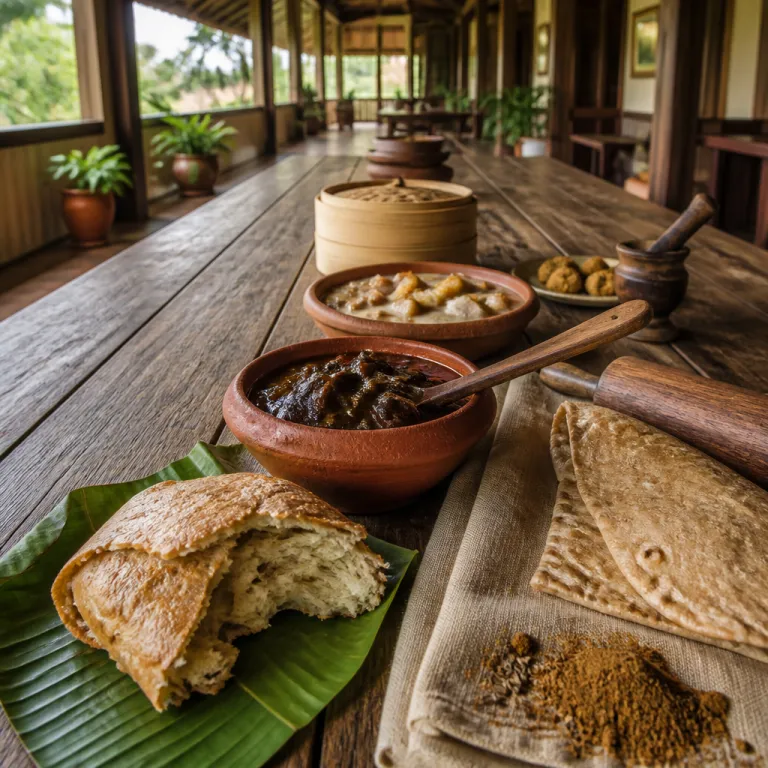
Amerindian families contribute pepperpot simmered with cassareep, grilled fish, cassava bread and other cassava based foods that feel elemental, especially when eaten near the interior rivers that shaped the country. Chinese and Portuguese descendants add chow mein, stir fried meats, bake saltfish variations and garlic heavy dishes that slip easily into everyday guyanese food without losing their roots. European influences linger in pastries, breads and cakes, giving luxury hotel afternoon teas in Georgetown a sense of place that goes beyond imported brands.
At national celebrations and major festivals, these six traditions move from separate kitchens to one long shared table. During large cultural events, you will see pepperpot next to chicken curry, cook-up rice beside chow mein, and trays of deep fried snacks like egg balls turning golden brown under heat lamps. One official explanation captures this layered reality clearly : "Each ethnic group contributed unique flavors and techniques, creating a rich culinary tapestry." For couples timing their travel around major celebrations, reading about the Diamond Jubilee era and its food focused festivals through guides such as the feature on Guyana's Diamond Jubilee festival signals how the country now frames cuisine as a central part of its luxury travel story.
From hotel table to riverbank fire: where luxury meets guyanese food
In Georgetown, the most rewarding luxury stays treat guyana food culture as a core amenity rather than a themed night. High end properties now work with local chefs to design menus where guyanese cuisine appears in full color, from refined versions of cook-up rice to carefully plated metemgee that still tastes like a family dish. When you see coconut milk, cassava, root vegetables and split peas listed by name on a tasting menu, you are looking at a kitchen that respects the country rather than just its visiting palate.
Outside the capital, interior lodges near river systems and forest reserves often provide the most intimate access to guyanese food. Amerindian cooks might serve pepperpot at breakfast, cassava bread still warm from the griddle and grilled fish seasoned with local spices that never appear on export lists, turning each meal into a quiet tour of ingredients. Some lodges offer guided walks that end at a campfire, where you watch your hosts cook rice in blackened pots, stir fried greens in shallow pans and deep fried snacks until they are fried golden and ready to share.
For couples using a curated platform to compare premium stays, it helps to read hotel descriptions with a culinary lens. A guide to Guyana's best hotel booking sites for luxury and premium stays can highlight which properties lean into authentic guyanese food and which rely on generic international dishes. Look for mentions of street food tastings, market tours focused on local foods, or chef led experiences that explain how to cook rice the guyanese way, how to balance curry spices, and why certain dishes remain popular across all six communities.
Eating beyond fusion: how to find the real thing
Many luxury travelers arrive expecting fusion, yet guyana food culture resists that easy label. In this country, guyanese cuisine keeps its lines clear, so an Indo-Guyanese chicken curry still tastes like something your host's grandmother might recognize, even when plated on fine china. Afro-Guyanese cook-up rice remains a one pot comfort dish rather than a deconstructed concept, and Amerindian pepperpot still leans on cassava and cassareep instead of imported shortcuts.
The risk for visitors staying only in polished city hotels is meeting a softened version of guyanese food that blends everything into a single international style. You might see a menu where chow mein, bake saltfish, egg balls and other street food favorites appear, but the flavors feel timid and the deep fried textures never quite reach that perfect golden brown. True food Guyana moments usually happen when a concierge sends you to a family run restaurant, a weekend market stall or a small bar where fried snacks, coconut based sweets and rice dishes move fast because locals are actually eating them.
To avoid the tourist facing fusion trap, ask specific questions before you book and again at check in. Where can you try pepperpot that Amerindian families would respect, or a chicken curry that Indo-Guyanese cooks consider among the best in town ? Which neighborhoods offer safe, lively street food for an evening tour, and which vendors are known for using fresh ingredients like root vegetables, coconut milk and split peas rather than shortcuts ? When staff answer with names, directions and personal favorites instead of vague promises, you know your hotel understands the real layers of guyana food culture.
Designing a couple’s itinerary around guyana food culture
For couples planning a romantic trip, guyana food culture can shape the entire itinerary as precisely as any wildlife tour. Start in Georgetown with a hotel that serves guyanese cuisine at breakfast, perhaps offering cook-up rice, fried plantain, bake saltfish and coconut based pastries alongside lighter options. Use your first morning to walk through a central market, where you can see cassava, root vegetables, spices and fresh coconut milk being sold to the same cooks who will later prepare your dishes.
From the capital, consider pairing a city stay with an interior lodge that treats food as cultural immersion rather than simple fuel. Some river lodges near routes to kaieteur falls work with Amerindian communities, serving pepperpot, cassava bread, grilled fish and stir fried greens that reflect the forest around you, turning each meal into a quiet lesson in how the country eats away from the coast. Watching a cook rice pot bubble over wood fire while the sky darkens above the river can feel as luxurious as any tasting menu, especially when you know the ingredients were gathered within a few kilometres.
Back in the city for your final nights, aim for restaurants that showcase multiple traditions on one menu without flattening them. Share plates of chow mein, chicken curry, egg balls, deep fried snacks and street food inspired dishes that still taste like they belong to specific communities, not a generic hotel buffet. When you leave Guyana with memories of pepperpot breakfasts, coconut scented rice, fried golden snacks from a late night stall and a sense of how each of the six peoples shaped those foods, you will have tasted the country as deeply as you have seen it.
FAQ
What are some popular Guyanese dishes couples should try first ?
Start with pepperpot, cook-up rice, metemgee and a well made chicken curry, then add chow mein, bake saltfish and egg balls from trusted street food vendors. These dishes represent Amerindian, Afro-Guyanese, Indo-Guyanese and Chinese influences within guyanese cuisine. Tasting them across both hotel restaurants and local eateries gives a balanced view of guyana food culture.
Is Guyanese cuisine very spicy for sensitive palates ?
Some guyanese food can be spicy, especially certain curry dishes and pepper sauces served on the side. Many cooks, including those in luxury hotels, balance spices with coconut milk, root vegetables and rice, so heat rarely overwhelms flavor. You can always ask for milder versions or request pepper sauce separately to control intensity.
Are there good vegetarian options within guyana food culture ?
Yes, guyanese cuisine offers many vegetarian friendly dishes built around rice, split peas, cassava, root vegetables and seasonal greens. Indo-Guyanese kitchens often serve dhal, vegetable curries and stir fried vegetables, while Afro-Guyanese and Amerindian cooks prepare rich one pot dishes without meat on request. Luxury hotels in Georgetown increasingly highlight these foods on menus, making it easier for couples to eat well without meat.
Where can travelers find the most authentic guyanese food in Georgetown ?
Authentic guyanese food appears in traditional restaurants, busy markets and small eateries where locals outnumber visitors. Look for places that serve pepperpot, cook-up rice, chow mein, bake saltfish and other popular dishes throughout the week, not only on themed nights. Hotel concierges who understand guyana food culture can point you toward trusted spots that balance flavor, hygiene and atmosphere.
How did Guyana’s ethnic diversity shape its national cuisine ?
Guyana’s Land of Six Peoples history means Indo-Guyanese, Afro-Guyanese, Amerindian, Chinese, Portuguese and European communities each contributed distinct foods, techniques and spices. Over time, these dishes settled side by side rather than merging into a single fusion style, so you still taste clear lines between pepperpot, cook-up rice, chow mein and chicken curry. This layered table is what makes guyana food culture one of the most varied in South America.