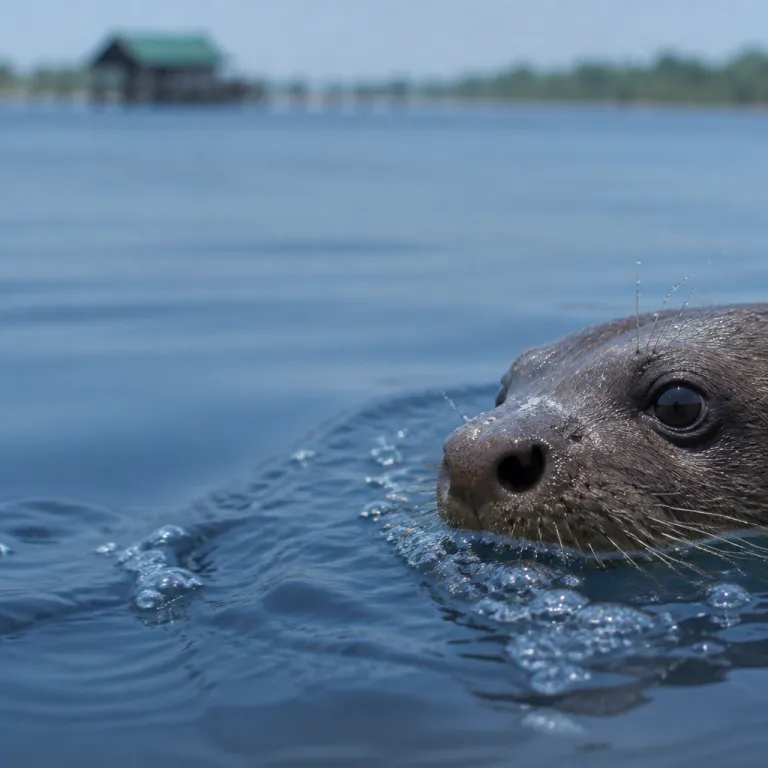
Why giant river otters in Guyana belong on a luxury wildlife wish list
The first time you hear a giant river otter scream across a flooded Rupununi oxbow, the sound cuts through the forest like a siren. These giant animals, known scientifically as Pteronura brasiliensis, can reach almost 1.8 m in length and move through the water with a speed that makes every fish in the river nervous. In Guyana, they share the same remote waterways as jaguar, black caiman, green anaconda and the elusive giant anteater, which turns any well planned lodge stay into a genuine immersion in one of South America’s largest remaining wilderness areas.
For luxury travelers, the appeal is not only the rare river otter sighting, but the way these highly social otter species live in tight knit family groups that you can quietly watch from a canoe. Giant otters in Guyana patrol long stretches of broad river channels and small oxbow lakes, often surfacing with a black or silver fish clenched in their jaws while the rest of the group chatters around them. This is where the main SEO theme of giant river otters Guyana becomes real, because the right lodge choice determines whether you only hear distant calls or actually watch a Pteronura family teaching pups to hunt.
Encounters are never guaranteed, and that uncertainty is part of the honest luxury here. Giant river otters are territorial animals that shift their activity with water levels, human noise and the dry season or wet season rhythm. As one conservation briefing in the region puts it without romance or exaggeration, “Why are giant river otter encounters not guaranteed? Otters are territorial and elusive; sightings depend on luck and timing.”
Karanambu Lodge, Rewa Eco Lodge and Caiman House: choosing your otter base
In the Rupununi, three names come up again and again when travelers talk about giant otters Guyana experiences that feel both intimate and comfortable. Karanambu Lodge, Rewa Eco Lodge and Caiman House each sit on different stretches of river, and that geography quietly shapes your chances of seeing a giant river otter or even several individuals in one morning. The choice is less about a star rating and more about which lodge places you closest to the oxbow lakes and quiet back channels that otters prefer.
Karanambu Lodge is the historic heartland of otter conservation in south Guyana, where the late conservationist Nicole Duplaix and other researchers helped turn the once hunted river wolf into a flagship species. From Karanambu, guides take small groups out at first light in narrow boats, gliding past black caiman and wading birds toward long, still lagoons where family groups of giant otters sometimes surface beside the reeds. The lodge team understands that these animals are highly social yet easily disturbed, so engines are cut early and conversations drop to whispers while you watch them crunch through fish or slip under the water.
Farther east, Rewa Eco Lodge sits where the Rewa and Rupununi rivers meet, a confluence that attracts otter species, jaguar and an impressive density of other animals. Here, a private tour by canoe can take you along small creeks shaded by forest, where a single otter may appear like a dark cat streaking through the water before vanishing again. Caiman House in Yupukari, which doubles as a research base, offers a different rhythm, combining night work with black caiman and daytime excursions that sometimes intersect with giant river otters Guyana along the main river, making it ideal for travelers who want a deeper conservation context and a chance to support active field projects.
Reading the river: habitat, season and the quiet science behind sightings
To understand why encounters with giant otters in Guyana are so variable, you need to think like a field biologist rather than a tourist on a quick tour. The Rupununi is a mosaic of wide river channels, flooded savannah and small oxbow lakes that change character between the dry season and the rains. During the driest months, receding water concentrates fish and other prey, which can bring giant river otters into tighter territories that are easier for skilled guides to predict.
Those same months also make access to remote lakes near Karanambu Lodge, Rewa Eco Lodge and Caiman House more reliable, because boats can slip into side creeks without fighting strong currents. Early morning and late afternoon are consistently the best windows, which is why the dataset’s advice that “Early morning or late afternoon during the dry season offers better chances” is repeated by almost every experienced guide in South America. In the wetter months, water spreads across the landscape, giving giant otters and other animals more room to roam, which can mean magical, unexpected encounters but also more days when you only see ripples and hear distant calls.
Luxury travelers who time their stay with care often pair a Rupununi lodge with a night or two in Georgetown, using elevated city bases such as the Pegasus Guyana for skyline views before flying south. That contrast between urban comfort and river wolf territory underlines how remote these habitats remain, even within a relatively small country like Guyana. For those curious about how shifting rainfall patterns affect wildlife viewing, a separate guide on rainy season empty trails and why June and July reward the patient wildlife watcher in Guyana offers useful context before you lock in dates.
What a guided otter excursion really feels like at a premium nature retreat
A well run otter excursion in the Rupununi starts in the half light, when the river is still black glass and the only sounds are frogs and the distant cough of a jaguar. At Karanambu Lodge, Rewa Eco Lodge or Caiman House, staff quietly load the boat with binoculars, field guides and a thermos of coffee while you step aboard, wrapped against the cool air. The guide will brief you on safety, including the simple but crucial reminder from local protocols that “Maintain a respectful distance; avoid disturbing their natural behavior.”
As the boat noses into a side channel, you begin to read the river the way your guide does, scanning for bubbles, listening for the sharp bark that signals a giant otter alarm. Sometimes a single head appears first, like a small wet cat with a white throat patch, then more otters rise around it, forming one of the tight family groups that make this species so compelling. They may line up in the water, snorting and periscoping, before one dives and surfaces with a fish, which is quickly shared or defended with surprisingly loud arguments.
Not every outing delivers such drama, and the best lodges are honest about that from the moment you book. Some mornings you will see only black caiman eyes and the long sinuous wake of a green anaconda slipping away, while the giant otters remain hidden in flooded forest or distant bends. On other days, a short, unplanned paddle back to the lodge after lunch produces the most intimate sighting of your stay, proving why giant river otters Guyana trips reward patience rather than a checklist mentality.
Conservation, community and how your booking supports the river wolf’s future
Behind every elegant sundowner on a Rupununi veranda lies a harder story about how close giant otters came to vanishing from South America’s rivers. For decades, hunting for pelts and habitat loss pushed this otter species toward local extinction, and even now the global population trend is officially described as decreasing. In Guyana, the shift from extraction to community led eco tourism has turned lodges such as Karanambu Lodge, Rewa Eco Lodge and Caiman House into quiet anchors of protection for Pteronura brasiliensis and its neighbors.
When you book a premium river stay through a curated platform like MyGuyanaStay, a portion of your spend flows directly into salaries for indigenous guides, fuel for research boats and stipends for students who help monitor giant river otter family groups. These same projects often track black caiman, jaguar and giant anteater, building a fuller picture of how animals share the river and surrounding savannah. Over time, that data helps refine where lodges send small groups on tour, reducing disturbance to highly social species while still giving guests a strong chance of meaningful encounters.
Names like Nicole Duplaix appear in the scientific literature because early researchers here helped reframe the giant river otter from a hunted nuisance to a flagship for intact wetlands. Today, when you sit on a deck above the river at sunset, watching small bats skim the black water while staff prepare dinner, you are part of that same story whether you realize it or not. The more travelers who choose lodges that prioritize habitat, guide training and long term research over quick wins, the better the odds that future couples will still hear the wild, rolling calls of giant otters Guyana echoing across the Rupununi.
FAQ
Are giant river otter encounters guaranteed if I stay in the Rupununi?
No lodge in Guyana can guarantee a sighting of giant river otters, even in prime habitat. These animals are territorial and mobile, and their movements change with water levels, prey and human activity. Even at renowned properties such as Karanambu Lodge, Rewa Eco Lodge and Caiman House, some guests see multiple family groups while others only hear distant calls or find tracks on the riverbank.
When is the best time of year and day to see giant river otters?
The dry season generally offers better access to oxbow lakes and side channels where otters hunt concentrated fish. Guides consistently aim for early morning and late afternoon departures, when temperatures are lower and animals are more active near the surface. As local guidance states, “Early morning or late afternoon during the dry season offers better chances,” though patient travelers can be rewarded at other times too.
Is it safe to watch giant river otters from a boat or canoe?
Observing giant river otters from a guided boat or canoe is considered safe when you follow your guide’s instructions. The key is to maintain a respectful distance, avoid sudden movements and never attempt to feed or approach the animals. Lodges with strong conservation credentials train their teams to position boats so that otters can choose to approach or move away without feeling pressured.
How do my lodge fees support otter and river conservation in Guyana?
At leading Rupununi properties, a portion of your stay funds salaries for local guides, fuel for monitoring trips and basic research equipment. These programs track giant otters, black caiman, jaguar and other species, providing data that informs protection measures and land use decisions. By choosing community focused lodges, you help create an economic argument for keeping river habitats intact rather than converting them to short term extractive uses.
Can I combine giant river otter watching with chances to see a jaguar?
Yes, several Rupununi itineraries blend river based otter excursions with forest or savannah drives that target jaguar and other wildlife. Areas around the Rupununi and Iwokrama Forest are particularly known for big cat sightings from comfortable bases that do not require rough camping. For detailed planning, many travelers consult specialist guides on where to see a jaguar in Guyana without pretending they are roughing it, then pair that with a stay at an otter focused lodge.