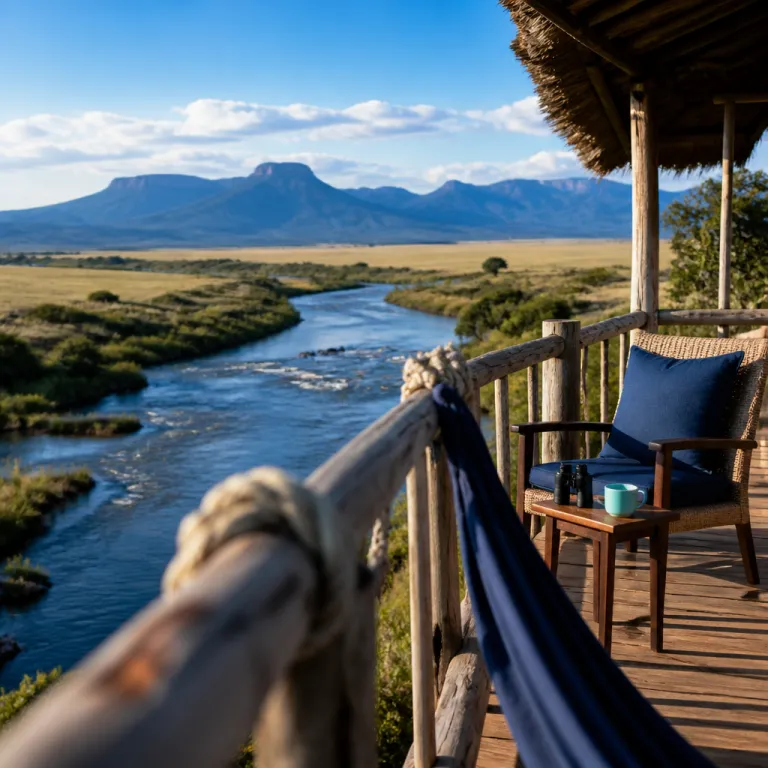
Lethem, Kanuku Mountains and the rise of lodge based travel
Lethem sits on Guyana’s southern frontier, facing Brazil across a low bridge. This once sleepy border town is now the natural staging point for travelers seeking Lethem Guyana lodges near the Kanuku Mountains that combine serious wilderness access with discreet comfort. The shift from mere transit stop to destination is reshaping how luxury travelers plan a Rupununi trip and how they think about eco focused accommodation in this part of South America.
The Kanuku Mountains rise just west of Lethem, a forested massif that shelters around 60% of Guyana’s recorded bird species, making the Kanuku range one of the country’s most important biodiversity strongholds. That figure appears in summaries from the Protected Areas Commission and partner NGOs, and it underpins why the Kanuku Mountains are now central to many birding itineraries. That density of wildlife, layered over gallery forests, savannah and black water creeks, means a single stay at one of the emerging Kanuku eco lodges can deliver a broader experience than several nights scattered across distant properties. For travelers used to flying in and out of Kaieteur Falls on a day trip, the contrast is striking; here, the luxury is time and proximity, not marble lobbies.
Government planners now list Lethem among Guyana’s priority zones for eco lodge development, and the commissioning of the Aishalton airstrip south of town has shortened access times to remote communities, according to recent civil aviation updates from the Guyana Civil Aviation Authority. This is not mass tourism; instead, a handful of carefully sited eco properties are being encouraged to work with local Makushi and Wapishana villages, using guided tours and community partnerships to keep revenue in the Rupununi. For lodge based travelers, that means more polished guiding, better logistics in USD pricing, and a clearer sense of where each USD per person actually flows during a stay.
What makes the Kanuku Mountains unique for luxury nature retreats
The Kanuku Mountains are not just another green blur on the map of Guyana. This range south of the Essequibo basin forms a natural barrier between the north and south Rupununi savannahs, creating a mosaic of habitats that reward patient travelers who choose Lethem Guyana lodges in the Kanuku foothills as their base. From a single ridgeline, you can look across gallery forest, open grassland and winding water channels that feel almost entirely unpeopled, especially in the early dry season when haze softens the distant hills.
For wildlife focused guests, the Kanuku Mountains offer a rare combination of accessibility and intact ecosystems, with healthy populations of giant otter, tapir and, for the lucky, jaguar along the riverbanks. Birders will find that a few hours on a forested trail near Lethem can rival more famous sites, and one data point underlines this reality: “Bird species in Kanuku Mountains: 60% of Guyana's total,” a figure echoed in reports from the Protected Areas Commission and conservation NGOs. If your idea of a premium hotel stay includes sunrise coffee while macaws cross a pink sky and a private guide quietly names each call, this is where Guyana starts to feel like South America’s last great wilderness frontier rather than a line on a map.
Luxury here is measured in well timed experiences rather than thread counts, and the best eco focused properties lean into that. Expect early starts, long but carefully paced walks of a few kilometres, and river tours that stretch for several hours yet feel unhurried, with cold drinking water and snacks always at hand. If you are planning a birding heavy itinerary, it is worth pairing a Kanuku base with a stay near the Iwokrama canopy walkway, and you can sketch that route using this detailed birding itinerary for the luxury traveler in Guyana, which outlines how to link interior lodges, flight schedules and seasons.
Current accommodation in Lethem and what is coming next
Accommodation in Lethem has historically catered to traders, NGO staff and overland drivers rather than high end leisure travelers. You will still find simple guesthouses and a functional town hotel, but the conversation is shifting as eco lodge proposals linked to the Kanuku Mountains move from concept to construction. For travelers scanning options under the broad term Lethem Guyana lodges Kanuku, the key is understanding which properties already deliver a premium experience and which are still essentially transit stops with basic rooms and limited tours.
Today, most visitors with higher expectations split their stay between a comfortable hotel in Lethem town and more remote eco style lodges on the Rupununi savannah or along forested rivers. The town properties offer air conditioning, reliable water and decent Wi Fi, which matters if you are arriving from Georgetown–Lethem flights after a long day of connections. Out in the bush, rooms tend to be fan cooled with screened windows, but you gain immersive soundscapes, darker skies and a level of privacy that urban hotels in Guyana simply cannot match, especially during the quieter months of the rainy season.
On the horizon, government backed initiatives and conservation partnerships are encouraging new eco lodges closer to the Kanuku foothills, often in collaboration with local communities that already run small scale tours. Existing operations such as Karanambu Lodge and Dadanawa Ranch illustrate how community links and conservation goals can align, and newer projects aim to follow similar models. As a practical example, Karanambu typically quotes in USD per person for packages that include meals, guiding and boat trips, with reservations handled via email or local agents. These ventures aim to keep rates competitive in USD while still paying guides and staff fairly in a region where every USD per person can have outsized impact. For a curated overview of which nature retreats and premium properties are actually bookable, and how to handle lodges without online reservation systems, consult this practical guide to nature retreats in Guyana and premium hotel booking.
Planning your route: Georgetown, Lethem and the Brazil border
Reaching Lethem is part of the adventure, and the route you choose will shape your overall experience. Most luxury travelers fly the Georgetown–Lethem sector on a small domestic aircraft, trading a long overland haul for a roughly one hour flight over forest and rivers. Those with more time sometimes opt for the rugged road, which turns the journey into an eight to ten hour drive that reveals how quickly the landscape shifts from coastal plain to Rupununi savannah and how the water levels in creeks change with the season.
Once in town, the Brazil border crossing at Bonfim sits only a few minutes’ drive away, making Lethem a natural hinge point for multi country itineraries that combine Guyana’s Kanuku Mountains with Brazil’s Roraima or Amazonas regions. You can land in Georgetown, connect to Lethem, spend several nights at Kanuku Mountains lodges, then cross into Brazil for a different style of hotel stay without ever backtracking. This flexibility is one reason Lethem is gaining attention among independent travelers who want to stitch together their own routes rather than follow fixed tours.
When planning, pay close attention to season and road conditions, because heavy rain can turn the Georgetown to Lethem corridor into a slow, muddy challenge. Dry season from December to April usually means more predictable travel times and clearer wildlife viewing, though some travelers enjoy the lushness and higher water levels of the rains. To turn ideas into a workable schedule, map out your trip step by step: first secure Georgetown–Lethem flights, then confirm an hour drive or other transfers to your chosen lodge, and finally align any Brazil border crossings or Kaieteur side trips. If you are unsure how to sequence flights, transfers and lodge stays, a detailed primer on how to book an interior lodge when half of them do not have a website will help you translate vague schedules into workable, hour by hour plans.
Lethem versus the wider Rupununi lodge circuit
Guyana’s Rupununi region now supports a loose circuit of well known lodges, many of them several hours from any town. These properties, often reached by charter flights or long 4x4 drives, suit travelers who want to disappear into a single landscape for most of their trip. Lethem and the Kanuku Mountains, by contrast, work best for guests who value variety and the ability to pivot plans without losing days to transfers between distant eco properties.
If you are a solo explorer or a couple who prefers to move every few days, basing yourself around Lethem allows you to sample multiple ecosystems with shorter travel times. One day might mean a guided hike into the Kanuku foothills, the next a cultural visit to a local village, and another a drive across the open Rupununi savannah to watch the light change over distant mountains. In this model, your chosen hotel in Lethem becomes a flexible hub, while eco lodges in the surrounding area act as satellite bases for deeper overnight forays that can be tailored to the season and your interests.
For travelers who already know they want a single, all inclusive stay with fixed daily tours, the classic Rupununi lodges further north may still be the better fit. Those properties often bundle rates in USD per person that include meals, activities and transfers, which simplifies budgeting but reduces spontaneity. Lethem’s emerging portfolio of eco focused hotels and lodges offers more à la carte options in USD, allowing you to allocate each USD per person toward the specific experiences that matter most, whether that is a dawn birding walk, a night drive for mammals or a private charter to Kaieteur Falls as a dramatic finale to your Guyana trip.
How to choose the right lodge or hotel around Lethem
Selecting among Lethem Guyana lodges near the Kanuku Mountains starts with being honest about how you like to travel. If you want polished service, air conditioning and minimal logistical friction, look for a higher end hotel in Lethem town paired with day tours into the Kanuku range and the wider Rupununi. Travelers who prioritize immersion over amenities should instead focus on eco lodges closer to the forest edge, where the night sounds replace city noise and the nearest neighbour may be several kilometres away, especially in the quieter shoulder season.
When comparing options, pay attention to who actually owns and operates the property, because local partnerships are the backbone of sustainable travel in this part of Guyana. A lodge that is co managed with a nearby community will usually have better access to experienced guides, more nuanced cultural experiences and a clearer understanding of seasonal wildlife patterns. Ask for details on guide training, language skills and safety protocols, and do not hesitate to request sample itineraries that show how many hours per day you will actually spend on the water, on trails or in vehicles.
Pricing structures vary, but most quality operations quote in USD with clear breakdowns of what each USD per person includes, from meals and non alcoholic drinks to guided tours and conservation levies. To keep planning simple, follow a single checklist: confirm nightly rates in USD, clarify whether transfers from Georgetown–Lethem flights are included or require an additional hour drive, ask which tours are private versus shared, and verify payment methods. Above all, choose a property whose rhythm matches your own, because in the Kanuku Mountains and the Rupununi, the most memorable luxury is often the unhurried hour spent watching light move across the mountains while a local guide quietly names every bird that passes.
Key figures for Lethem and the Kanuku Mountains
- Around 60% of Guyana’s recorded bird species are found in the Kanuku Mountains, a statistic cited by the Guyana Protected Areas Commission and partner NGOs, underscoring why serious birders increasingly anchor their itineraries around Lethem rather than treating it as a brief stopover.
- The Georgetown to Lethem overland route typically takes eight to ten hours in the dry season, a duration that encourages many luxury travelers to opt for the one hour flight instead and invest saved time in additional lodge nights or extended tours.
- Dry season from December to April usually offers the most reliable road access and clearer wildlife viewing conditions, while the wetter months bring higher river levels that can improve boat based tours near the Kanuku foothills and change how water flows through the creeks.
- Lethem sits at approximately 3.38° north and 59.80° west in the Upper Takutu–Upper Essequibo region, placing it within easy reach of both the northern and southern Rupununi savannahs as well as the Kanuku Mountains.
FAQ about Lethem, the Kanuku Mountains and lodge based travel
What activities are available in and around Lethem for lodge guests ?
Guests staying at lodges and hotels near Lethem can expect a mix of hiking, wildlife viewing and cultural encounters with local communities. Many properties arrange guided walks into the Kanuku Mountains, river trips for birding and fishing, and visits to nearby villages to learn about Makushi and Wapishana traditions. Night drives on the Rupununi savannah are also common, offering chances to see nocturnal mammals under clear skies, and some eco lodges now offer short photography workshops as part of their tours.
How do I reach Lethem from Georgetown or Brazil ?
The fastest way to reach Lethem from Georgetown is by domestic flight, which usually takes about one hour and operates several days per week depending on season and demand. Travelers with more time can tackle the overland route, an eight to ten hour drive that crosses rivers and savannah before reaching the border town. From Brazil, Lethem is accessed via the short road crossing from Bonfim, making it easy to integrate into a multi country itinerary that combines Guyana’s Kanuku Mountains with Brazilian destinations.
When is the best season to visit Lethem and the Kanuku Mountains ?
The most popular season for lodge based travel around Lethem runs from December to April, when drier conditions make roads more reliable and trails less muddy. Wildlife viewing is generally strong throughout the year, but lower water levels can concentrate animals around remaining water sources in the late dry months. Some travelers deliberately choose the early rainy season for greener landscapes and fuller rivers, accepting more variable weather in exchange for quieter trails and different bird activity.
How far in advance should I book lodges near the Kanuku Mountains ?
Because many eco lodges around the Kanuku Mountains are small, with limited rooms and high guide to guest ratios, it is wise to book several months ahead for peak season dates. Shoulder season often has more flexibility, but last minute availability cannot be guaranteed, especially for properties that rely on shared charter flights or coordinated transfers. Early planning also allows time to align Georgetown–Lethem flights, border crossings and any onward travel into Brazil or back to Georgetown for a Kaieteur excursion.
Can I combine a stay in Lethem with a visit to Kaieteur Falls ?
Yes, many travelers pair a Kanuku focused itinerary with a separate day trip or overnight excursion to Kaieteur Falls from Georgetown, usually before or after their time in Lethem. The logistics typically involve returning to the capital for the Kaieteur flight, as there are no direct commercial links from Lethem to the falls. This combination delivers both Guyana’s most iconic waterfall and its most biodiverse mountain range within a single, coherent trip, with time in between to enjoy the slower rhythm of Rupununi lodge life.