Why bartica guyana travel belongs on every interior itinerary
Bartica sits where three great rivers meet, and that geography shapes every Bartica Guyana travel plan. This compact town in the Cuyuni–Mazaruni Region (Region 7) is the practical and emotional threshold between coastal Guyana and the deep interior, turning a simple transfer into a quietly cinematic pause before the wilderness. For luxury travelers used to seamless itineraries, one unhurried day and night in Bartica can mean arriving upriver rested, acclimatized, and already tuned to the slow rhythm of the Essequibo River.
The town of Bartica is officially known as the “Gateway to the Interior” and that title is not marketing language, it is logistics in a single phrase. From here, boat trips fan out along the Essequibo, the Mazaruni River, and the Cuyuni, forming the wider Essequibo–Mazaruni corridor that leads to rainforest lodges, mining camps, and Amerindian communities. For anyone planning interior travel with premium stays upriver, this working river town offers a final chance to refine plans with local operators, adjust to the heat, and understand how the rivers actually move people and goods.
Most itineraries still start in Georgetown, and the capital remains where you will find Guyana best luxury hotels and international air links. Our detailed guide to where to book in Georgetown by neighborhood helps you choose a coastal base before heading inland. Once you leave Georgetown for Bartica, you feel the shift from Atlantic breeze to fresh river air, and that transition is exactly why a Bartica stopover deserves its own chapter rather than being treated as a forgettable transfer.
Getting to bartica: road, river, and the changing gateway
The journey from Georgetown to Bartica used to be a slow combination of minibus, ferry, and boat, but the paved road has changed how travelers reach the town. Now you can drive the distance in roughly two to three hours in the dry season, then roll straight into the town center without the old choreography of queues and crossings. For travelers who value comfort, a private transfer priced in the low hundreds of USD for the vehicle can be worthwhile, especially if you are carrying camera gear or fly-fishing equipment.
That said, the classic river route via Parika still has a strong pull, and many visitors choose it for at least one direction of their Bartica journey. You travel by road from Georgetown to Parika on the Essequibo’s eastern bank, then board a speedboat at the Parika stelling for a fast, spray-filled boat ride up the Essequibo River to Bartica stelling. The crossing typically takes around an hour depending on season and river conditions, and it is here that you first sense how the Essequibo, the Mazaruni River, and the Cuyuni braid together into the Cuyuni–Mazaruni system that defines this region.
Local advice still matters on this route, because the best time to travel can shift with the dry season and the rains. Official guidance remains simple and worth repeating in full for anyone planning overland or river travel: “Use official ferry services. Book accommodations in advance. Respect local customs and environment.” If you are timing a longer itinerary that includes events near Georgetown, our analysis of how national festivals shape summer travel patterns will help you avoid bottlenecks on both the road and the river.
What the town offers: rivers, gold, and real Guyanese life
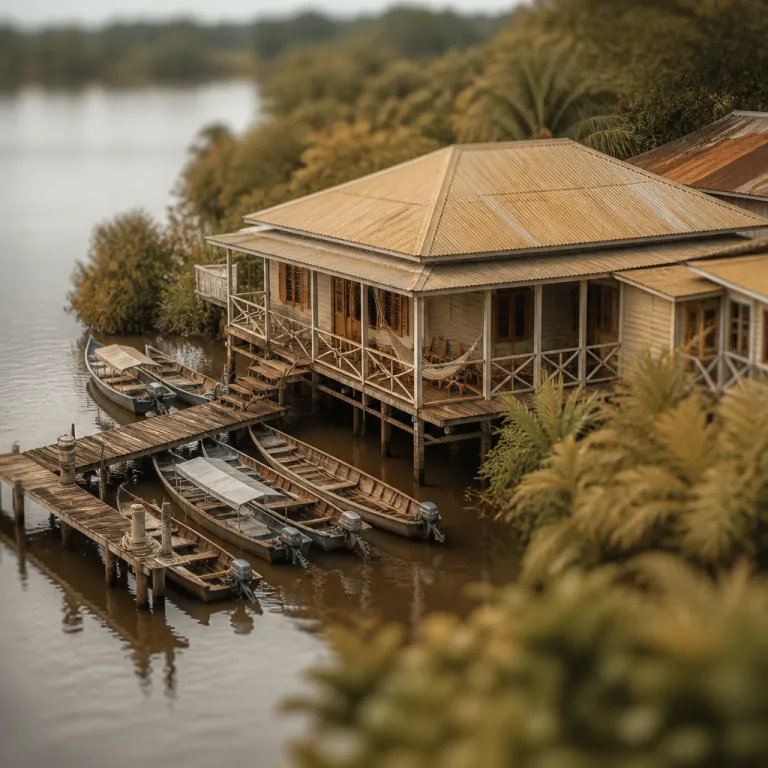
Step off the boat at Bartica stelling and the first impression is kinetic, with river boats unloading supplies and the smell of fresh fish drifting from the market. This is not a manicured resort town but a working Guyanese river settlement where mining, logging, and trade shape daily life, and that authenticity is exactly what makes a stop here compelling for independent travelers. Around fifteen thousand Bartica residents live and work here according to recent census estimates, and their routines give the streets a purposeful energy from early morning until late evening.
The town center is compact enough to walk, and a slow loop reveals much of what Bartica offers in a single circuit. Jewellery shops along the main street quietly reference the town’s gold-mining heritage, while hardware stores, fuel depots, and weathered boats tied along the riverfront speak to the Essequibo–Mazaruni interior economy. On Saturdays, the market swells with produce, river fish, and household goods, and this is where you see how Bartica serves as a supply hub for smaller communities scattered along the Essequibo River and the Cuyuni–Mazaruni corridor.
Food is straightforward and satisfying, with street food stalls selling fried fish, chow mein, and barbecued chicken to miners, boat captains, and travelers. Ask for fresh river fish when you can, because the best plates often come from small local kitchens that do not advertise, and the taste of fish grilled within hours of landing is a quiet luxury in itself. As one Bartica boatman put it to a recent visitor, “If the fish reach the grill the same day it leave the river, you tasting Bartica proper.” For those mapping a broader Guyana best itinerary that includes river lodges and rainforest stays, our guide to what “resort” really means in Guyana will help you calibrate expectations before you leave this very real, very uncurated town.
Where to stay in Bartica before heading upriver
Luxury in Bartica is measured less in thread count and more in functioning air conditioning, reliable water pressure, and a quiet room away from the loudest street corners. The town offers a small cluster of hotels and guesthouses, and while none match the polished properties in Georgetown, the best options deliver what matters most for interior-bound visitors: rest, security, and proximity to the river. Expect rates that often sit comfortably below coastal city prices, with simple double rooms commonly priced in the low to mid double digits in USD per night depending on season and demand.
Properties such as Platinum Inn and Modern Hotel are frequently cited by travelers for clean rooms, helpful staff, and, in some cases, partial river views. These stays are not about spa menus or elaborate tasting dinners, but about waking to the sound of the river and being a short walk from Bartica stelling for early boat trips. When you book, ask clearly about air conditioning, hot water, and whether your room faces a busy street or a quieter side lane, because the best sleep in town often comes from a simple room positioned away from late-night traffic.
For solo explorers, one night in Bartica can transform the feel of an entire interior itinerary, especially if you are heading on to remote lodges or onward boat trips toward places like Sloth Island. Arriving from Georgetown, checking into a modest but well-run hotel, and then walking the town center at sunset gives you time to adjust to the climate and the cadence of river life. By the time you board a boat at Bartica stelling the next morning, you are no longer a rushed coastal visitor but someone already attuned to the Essequibo River and the wider Essequibo–Mazaruni landscape.
Using Bartica as your river hub: boats, seasons, and onward adventures
Think of Bartica as a hinge between asphalt and water, where every timing and route decision has real consequences for comfort. The town’s role as a hub means that boat trips leave early, often at first light, when the river is calm and the air still cool, and this is another reason why a night in town beats a same-day dash from Georgetown. Whether you are chartering a private boat or joining a scheduled service, confirm departure times, boat type, and approximate travel time well before your visit, because last-minute changes can be hard to accommodate.
Seasonality matters on the Essequibo River and the Mazaruni River, and understanding the dry season is key to planning. In the drier months, lower water levels can expose sandbanks and lengthen some routes, but they also reveal beaches and make certain stretches of fresh river ideal for swimming and picnics. Many guides quietly agree that the best time for longer boat rides is often at the shoulder of the dry season, when the river fish are active, the channels are still navigable, and afternoon storms are less frequent.
Bartica also serves as a staging point for more ambitious journeys, including multi-day expeditions toward Kaieteur Falls via the Potaro River, which some travelers choose instead of the short flight from Georgetown. While Sloth Island is closer and often visited as a day trip or overnight from Bartica, the same principles apply: book your boat, clarify costs in USD, and confirm whether fuel, meals, and guiding are included in the offer. A well-planned itinerary uses the town not just as a waypoint but as a flexible base where you can adjust plans to river levels, weather, and the latest local information.
Practical tips for premium travelers: money, connectivity, and safety
For all its importance, Bartica remains a small town with limited financial infrastructure, so planning ahead is part of smart interior travel. ATMs exist but can be unreliable, and withdrawal limits may be lower than you expect, which is why bringing sufficient cash from Georgetown in a mix of Guyanese dollars and some USD is wise. Many hotels and better restaurants accept cash only, and even where card machines are present, connectivity issues can make transactions slow or impossible.
Mobile coverage is generally solid in the town center but drops quickly once you move along the river or into the interior, and data speeds can fluctuate with network load and weather. If you need to coordinate onward travel or confirm a high-value offer with a tour operator, do it while you are still in Bartica rather than assuming you can send messages from a boat ride or a remote landing. Power cuts are less frequent than they once were but still possible, so carrying a charged power bank is a small insurance policy that pays off when you are relying on your phone as a camera, map, and ticket wallet.
Safety in Bartica is largely about the same common sense you would apply in any busy river town where cash, gold, and goods move through the streets. Avoid flashing large sums of money, keep valuables secured in your room, and use licensed boats and official ferry services rather than improvised options, especially after dark. Treated with that level of respect, a night in Bartica offers a grounded, unscripted window into Guyana best interior culture, and a pause here before you head upriver will make the silence of the rainforest feel even more profound.
FAQ
What is Bartica known for in Guyana?
Bartica is known as the “Gateway to the Interior” because it sits at the confluence of three major rivers and functions as the main transit hub for travel into central and western Guyana. The town’s role as a supply and services center for mining, logging, and tourism means that boats, trucks, and people are constantly moving through Bartica. For travelers, this makes it the most practical place to organize boat trips, buy supplies, and rest before heading deeper into the Essequibo and Mazaruni regions.
How do I get to Bartica from Georgetown?
You can reach Bartica from Georgetown either by the paved road or by a combination of road and river. The road journey typically takes two to three hours in good conditions, while the river route involves driving to Parika and then taking a speedboat up the Essequibo River to Bartica stelling in about an hour. Many travelers choose one route in each direction to experience both the improved highway and the classic river approach.
What can I do during a one day stay in Bartica?
With a single day and night in Bartica, you can walk the town center, visit the riverside promenade, and explore the market where local residents shop for produce and river fish. Watching activity at Bartica stelling gives you a sense of how the interior economy moves, and you can sample street food or simple restaurant meals along the main streets. If time and river conditions allow, a short boat ride on the Essequibo River offers a first taste of the landscape you will encounter further upriver.
Are there good hotels in Bartica for luxury travelers?
Bartica’s hotels are functional rather than luxurious, but the better properties provide clean rooms, air conditioning, and reliable water, which is what most interior-bound travelers need. Options such as Platinum Inn and Modern Hotel are often chosen for their central locations and relatively modern facilities, even if they do not match the standards of Georgetown’s top properties. For a premium experience, many travelers pair a simple night in Bartica with higher-end lodges deeper in the interior.
Is Bartica safe for solo travelers?
Bartica is generally safe for solo travelers who use normal urban precautions, such as avoiding poorly lit areas late at night and not displaying valuables openly. The town is busy with local residents, workers, and visitors, and most interactions are straightforward and businesslike. Choosing reputable hotels, using official boats, and arranging transfers through known operators further reduces risk and makes solo interior travel more comfortable.