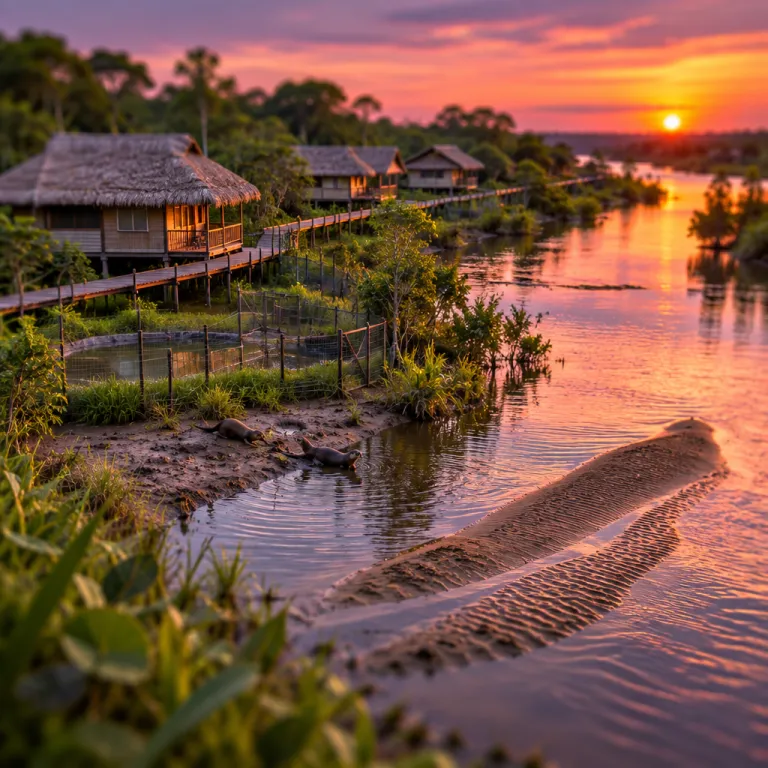
Karanambu lodge Guyana as a living ranch, not a remote resort
Karanambu lodge Guyana sits on a working cattle ranch in central Guyana, and that changes everything about your stay. This is not a lodge created for tourism first ; it is a family ranch settled by Edward “Tiny” McTurk in 1927 and still held by the McTurk family, where conservation and hospitality slowly grew out of daily life on the Rupununi savannah. When you book a trip here, you are stepping into a living landscape of savannah and river rather than a curated resort bubble.
The property known simply as Karanambu stretches across roughly 125 square miles of open savannah, gallery forest and seasonally flooded Rupununi wetlands. That scale matters for any guest interested in wildlife, because the ranch holds access to the Rupununi River and the smaller Simuni River, where diverse wildlife concentrates as water levels shift through time. You feel the ranch first and the lodge second, with cattle moving across the grasslands while macaws cross the sky and the river quietly anchors the whole experience.
Accommodation at Karanambu lodge is intentionally intimate, with just five traditional clay brick and thatched cabins that together host around twelve guests. Each cabin is simple rather than showy, but the lodge eco design keeps interiors cool and connects you directly to the sounds of nocturnal wildlife outside. For couples used to polished city suites, the eco lodge style here feels like a deliberate reset, where the luxury is space, silence and the chance to wake to river otters fishing at first light.
The McTurk family legacy and how it shapes every guest experience
The story of Karanambu lodge Guyana is inseparable from the McTurk family, and that lineage is what gives the place its authority in conservation tourism. After Tiny McTurk established the ranch, it was his daughter Diane McTurk who turned Karanambu into an eco tourism operation in the early eighties, inviting a handful of guests to share the wildlife experience she already lived every day. That shift from private ranch to eco lodge was never about building a luxury brand ; it was about funding conservation and keeping the ranch viable in a changing Guyana.
Diane became known across north Rupununi and beyond for hand rearing orphaned giant river otters, then carefully reintroducing them to the river system once they could fend for themselves. Her work with these giant otters, alongside the broader Karanambu Trust conservation projects, made the ranch a reference point for anyone serious about river species and savannah ecology. When you stay at Karanambu lodge today, guides and staff still speak of the McTurk family as if they have just stepped out on a river tour, and that continuity gives the whole lodge eco culture a grounded, almost archival feel.
Lineage also shapes how you move through the landscape during your trip, because many of the local guides grew up on the ranch or in nearby Rupununi savannah communities. They know where a solitary giant anteater tends to cross a track at dusk, which bend of the Rupununi River holds the best chance of wildlife spotting, and how to read the sky for incoming rain. For couples who value substance over surface, that depth of lived experience is worth more than any spa menu, and it is what makes Karanambu feel like one of the most authentic lodges in Guyana offers for serious nature travel.
For travelers planning a broader overland route through the region, pairing Karanambu with Lethem and the Kanuku Mountains creates a strong north Rupununi itinerary ; you can explore how lodge based travel is evolving in the border town by reading this in depth guide to Lethem and the Kanuku Mountains.
What a day at Karanambu feels like for couples
A stay at Karanambu lodge Guyana is structured around the rhythms of the river and the savannah, not around a spa timetable or a tasting menu. Mornings usually begin before sunrise, with coffee in the open sided dining area as the first light hits the Rupununi River and the calls of bird species build into a layered soundscape. Then you step into a narrow boat for a slow river tour, scanning for river otters, herons and the subtle movements that betray other wildlife along the banks.
Later in the day, couples often head out across the savannah in an open vehicle, crossing shallow channels that connect the Rupununi wetlands and watching how the landscape changes from grassland to gallery forest. This is prime time for wildlife spotting, especially for the giant anteater that has become almost emblematic of Karanambu, though sightings are never guaranteed and guides are honest about that from the start. The thrill lies in the search itself, in reading tracks and termite mounds, and in understanding how conservation decisions on the ranch protect both cattle and wild species.
Afternoons slow down by design, with hammocks, shade and time to talk with local staff about life in north Rupununi or about how eco tourism has changed the ranch economy. As the heat eases, you head back to the river for a sunset boat experience, drifting through flooded forest while flocks of birds cross overhead and nocturnal wildlife begins to stir. Families sometimes choose Karanambu as part of a longer river based journey through Guyana, and for those planning a multi lodge river trip the detailed itinerary ideas in this Essequibo River lodge journey can help frame how Karanambu fits into a wider circuit.
From giant otter rescue to conservation tourism in the Rupununi
The defining story of Karanambu lodge Guyana is the way giant otter rescue evolved into a model of conservation tourism that still feels personal. Diane McTurk’s work with young, abandoned giant river otters turned the ranch into a quiet reference point for biologists and conservationists long before it appeared on luxury travel radars. Guests came because they wanted to understand how one ranch in Guyana could influence the future of a threatened species, not because they were chasing a checklist of amenities.
Today, the Karanambu Trust continues that conservation work, focusing on habitat protection across the Rupununi wetlands and on research into diverse wildlife that depends on the Rupununi River system. The trust’s projects extend beyond giant anteaters and river otters to include bird monitoring and community based initiatives that link eco tourism income to tangible conservation outcomes. When you stay at the lodge, part of your rate supports these programmes, and guides are usually happy to explain how specific projects have changed both wildlife numbers and local livelihoods over time.
It is important to understand that wild encounters with giant otters or a solitary giant anteater are never guaranteed, even at a place with this history. The river is vast, the savannah is open, and wildlife moves according to its own logic, which is precisely why this ranch still feels wild rather than staged. For couples who value authenticity, that uncertainty is part of the appeal, and it is what separates Karanambu from more controlled wildlife tourism experiences elsewhere in South America, from the wetlands near French Guiana to the better known eco lodges of the Pantanal.
Planning your trip: access, comfort level and pairing Karanambu with Kaieteur Falls
Reaching Karanambu lodge Guyana usually involves a small aircraft flight into the Rupununi region, followed by a vehicle transfer across the savannah or a boat ride along the river, depending on water levels. The journey itself is part of the experience, as you watch the patchwork of forest, ranch land and Rupununi savannah unfold beneath you before dropping onto a simple airstrip. This is not a place you stumble upon ; it is a destination you choose with intention, and that commitment is rewarded with a level of quiet that is rare in modern tourism.
Comfort at Karanambu is best described as thoughtful simplicity rather than high gloss luxury, with fans instead of air conditioning and mosquito nets instead of sealed glass. The eco lodge cabins are well spaced for privacy, and the small guest count means that mealtimes feel like a dinner party rather than a buffet line, often with conversations ranging from conservation science to local ranch stories. Couples who need a pool, a spa and a long wine list may find the lodge too pared back, but travelers who value meaningful wildlife experience and genuine local connection usually find the balance exactly right.
Many guests pair Karanambu with a stay near Kaieteur Falls, creating a powerful contrast between the vertical drama of the world’s tallest single drop waterfall and the horizontal expanse of the Rupununi wetlands. If you are considering that combination, it is worth reading this detailed overview of luxury stays around Kaieteur Falls and other waterfall destinations in Guyana to understand how flight schedules and lodge availability align. Planned well, a circuit that links Kaieteur, Karanambu and perhaps a river lodge closer to the coast offers one of the most complete views of what Guyana offers for high end nature travel.
Who Karanambu is really for in the Guyana luxury landscape
Within the growing landscape of premium lodges in Guyana, Karanambu lodge Guyana occupies a very specific niche that will not suit everyone. This is the place for couples who are willing to trade polished finishes for proximity to wildlife, and who understand that conservation is not a marketing word here but the reason the lodge exists. If your idea of luxury is measured in square metres of suite space, this ranch may feel too modest ; if you measure it in access to intact ecosystems, Karanambu sits near the top of the list.
The lodge works particularly well as a base for travelers who already have some experience with nature focused trips, whether in the Amazon, the Pantanal or the wetlands near French Guiana. Those guests tend to arrive with realistic expectations about wildlife spotting, understanding that nocturnal wildlife may remain unseen and that even in an area with over 600 bird species, some days are quiet. They also tend to appreciate the way the McTurk family history, the Karanambu Trust projects and the daily work of running a ranch all intersect to create a layered, unscripted guest experience.
For first time visitors to Guyana, Karanambu can serve as a kind of masterclass in how eco tourism can support both conservation and community without losing its soul. You leave with more than photographs of a giant anteater or a distant caiman ; you leave with a sense of how one ranch on the Rupununi River helped shape a national conversation about protected areas and sustainable tourism. In a region where new lodges will inevitably appear over time, that depth of story is what will keep Karanambu relevant for discerning travelers long after the latest openings have faded from view.
FAQ
How do I get to Karanambu lodge from Georgetown ?
Most guests reach Karanambu lodge Guyana by taking a scheduled or chartered light aircraft flight from Georgetown to an airstrip in the Rupununi, then transferring by 4x4 or boat depending on the season. The final approach often crosses open Rupununi savannah and sections of the Rupununi River, so travel times can vary with water levels. Your lodge or booking platform will usually coordinate these legs to align with check in and check out times.
What level of comfort should I expect at Karanambu ?
Karanambu offers simple, comfortable cabins built from traditional materials, with fans, mosquito nets and private bathrooms but no air conditioning or high tech amenities. The focus is on being close to the sounds and rhythms of the savannah and river, rather than on luxury fittings. Couples who appreciate character, quiet and strong guiding usually find the comfort level well matched to the experience.
Are sightings of giant river otters and giant anteaters guaranteed ?
No wildlife sightings are guaranteed at Karanambu, even though the area is known for giant river otters and the iconic giant anteater. Guides use their knowledge of the Rupununi wetlands and savannah to maximise your chances, but animals move freely across a large landscape. The lodge is clear about this from the outset, so guests arrive with realistic expectations and can appreciate every encounter as a privilege rather than a promise.
Is Karanambu suitable for travelers new to remote nature lodges ?
First time visitors to remote lodges can enjoy Karanambu if they are comfortable with basic infrastructure, shared mealtimes and early starts for wildlife activities. The small guest capacity and attentive guiding make it an accessible introduction to the Rupununi for couples who are curious and reasonably fit. Those who need constant connectivity, nightlife or extensive spa facilities may be happier combining Karanambu with more urban stays in Georgetown.
How does a stay at Karanambu support conservation and local communities ?
A portion of guest revenue helps fund the Karanambu Trust, which supports habitat protection, wildlife research and community based projects in the north Rupununi. The lodge employs local staff and guides, creating jobs linked directly to healthy ecosystems and successful eco tourism. By choosing Karanambu over less conservation focused options, travelers contribute to a model where a working ranch, diverse wildlife and rural livelihoods are all part of the same long term strategy.