Guyana new destinations west coast: a quiet shift in the luxury map
Guyana’s tourism story has long followed a familiar line from Georgetown to the Rupununi savannah. The new Demerara River crossing and planned eco-lodge projects now signal that the west bank and Region Two are becoming the guyana new destinations west coast that discerning travellers should watch closely. For travellers who value time, privacy and river focused experiences, this emerging corridor in Guyana will feel like a different country within the same borders.
Until recently, most people landing at Cheddi Jagan International Airport moved quickly through Georgetown Guyana and onto domestic flights bound for Iwokrama or the deep south. The opening of the Bharrat Jagdeo Demerara River Bridge has quietly changed how travelling Guyana by road feels, especially for those heading toward Vreed en Hoop and the Essequibo River areas. Luxury travellers who once relied only on flights Guyana now have a realistic option to travel overland in comfort, combining private transfers with selective use of public transportation where standards allow.
The government’s decision to identify Mashabo in Region Two, the Vreed en Hoop waterfront and Leguan Island as priority eco-lodge sites marks a strategic westward expansion. These guyana new destinations west coast nodes sit along major river arteries, where black caiman slide through dark water and caiman house style community projects could eventually anchor high end stays. For travellers used to the drama of Kaieteur Falls and its world famous single drop, the west coast offers a slower, more tidal rhythm that pairs well with long weekend escapes and extended travel circuits.
Region Two’s lakes, villages and seasons: a different Guyana for repeat visitors
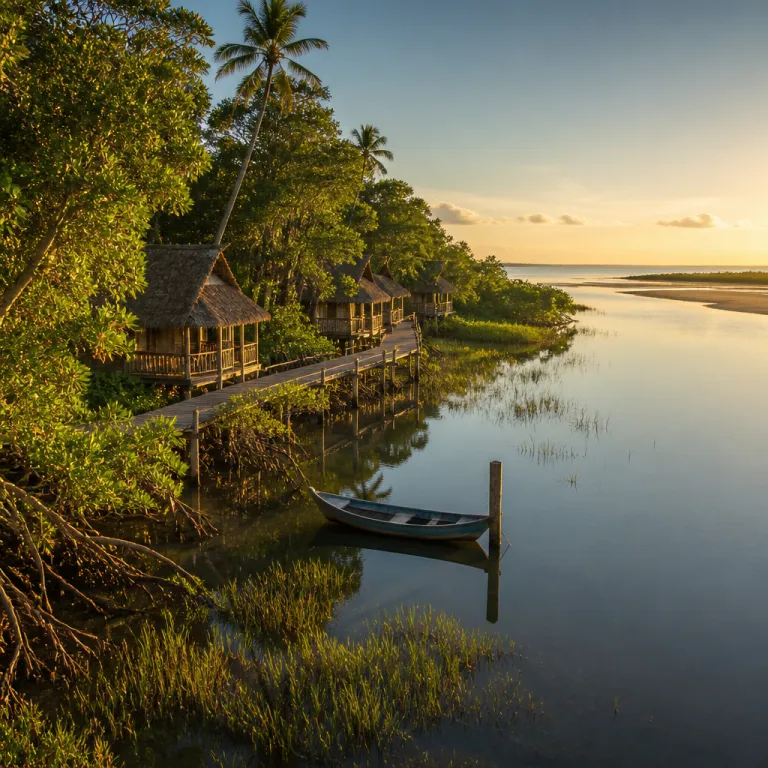
Region Two feels softer than the interior, with wide rivers, lakes and coastal villages replacing dense rainforest. For travellers who already know Kaieteur Falls and the classic interior lodges, these guyana new destinations west coast offer a gentler way to travel while still feeling firmly in South America. Time on the Essequibo River here is less about adrenaline and more about watching local life unfold from the shade of a veranda.
Mashabo, a lakeside Indigenous community earmarked for eco-lodge development, illustrates how new luxury in Guyana will likely look on the west coast. Expect small scale properties that work closely with local people, where guided canoe trips at the right season might reveal caiman at night and scarlet ibis at dawn. Travellers who plan their travel around the rainy season and the drier months will find that water levels shape everything from birdlife to the comfort of boat transfers.
Health considerations remain the same as elsewhere in the country, even when the landscape feels more relaxed. Travelling Guyana’s riverine areas means thinking about insect repellent, avoiding unnecessary contact with animals and speaking with a health care professional about yellow fever vaccination and other fever vaccination needs before you travel. Those who prefer quieter months should read about how shoulder periods reward patient travellers, and resources such as the guide to September travel in Guyana help you understand how season and rainfall patterns affect both luxury rates and river conditions.
Vreed en Hoop waterfront and Leguan: west bank gateways for refined stays
On the western bank opposite Georgetown, Vreed en Hoop is shifting from commuter town to waterfront gateway. As the new bridge shortens travel time from Georgetown Guyana, the Vreed en Hoop waterfront is being positioned as a departure point for river cruises, Leguan Island retreats and eventually higher end eco-lodges. For luxury travellers, this means that guyana new destinations west coast will soon start just a short drive from the capital’s most elegant hotels.
Leguan Island, another government priority site, sits in the Essequibo River with fertile farmland, wooden churches and a pace of life that feels decades slower than the city. While current accommodation is modest, the island’s potential for low density, high comfort lodges is clear, especially for travellers who want to pair a refined city stay in Georgetown with two or three nights of river quiet. Before or after crossing the river, many travellers will still choose to overnight in the capital, and curated guides to elegant hotels in Georgetown Guyana remain essential reading.
For now, flights Guyana still funnel most international arrivals through Cheddi Jagan International Airport, with private transfers or carefully chosen public transportation completing the journey west. As domestic flights expand, some itineraries may eventually link the west coast directly with interior highlights such as Kaieteur Falls, allowing travellers to experience both the world’s tallest single drop waterfall and the tidal Essequibo in a single trip. Until then, the west bank works best for travellers who enjoy the slow travel rhythm of ferries, river taxis and unhurried drives between areas.
Health, safety and social nuances along the west coast corridor
Luxury travellers considering these guyana new destinations west coast should approach health and safety with the same seriousness they would in any remote part of South America. The west bank and Region Two are not high risk areas by global standards, but they are riverine environments where insects, water quality and distance from major hospitals require thoughtful planning. Before travelling, speak with a health care professional about yellow fever vaccination, malaria risk where relevant and any personal health conditions that might affect your travel.
Insect repellent, long sleeves at dusk and care around standing water remain simple but effective measures when travelling Guyana’s coastal and river areas. Avoid direct contact with animals, including stray dogs and wildlife such as caiman, even when local people seem relaxed about it. Black caiman are more associated with the Rupununi and places like Caiman House, yet any river system in the country deserves respect, especially at night or during the rainy season when water levels and currents change quickly.
Guyana is generally welcoming, and travellers of different backgrounds and sexual orientation usually report positive experiences, particularly when they stay in established lodges and reputable hotels. As with any country, attitudes can vary between urban Georgetown and more rural areas, so discreet behaviour and listening to local advice will serve you well. Luxury properties along the west coast corridor will likely set clear standards for staff training, guest safety and food and water hygiene, which helps reduce both health risk and social friction for international travellers.
Who these emerging west coast destinations will suit – and how to plan
The guyana new destinations west coast corridor will first appeal to repeat visitors who already know the classic Georgetown to Rupununi route. These travellers understand the country’s rhythms, from the way flights Guyana connect through Cheddi Jagan International Airport to how domestic flights can be delayed by weather in the rainy season. For them, Region Two and the west bank offer new areas to explore without losing the comfort of familiar entry points and trusted hotel partners.
Adventurous first time travellers will also find value here, especially those who prefer river journeys and cultural immersion over long jungle hikes. Combining a refined stay in Georgetown with a few days on the Essequibo allows people to experience both colonial architecture and local village life, while still returning each night to high quality food, safe drinking water and attentive service. Those who want deeper wildlife encounters can still connect southward, and resources such as the guide to giant river otter lodges in the Rupununi show how west coast stays can be paired with interior expeditions.
Planning wise, allow extra time between flights and overland segments, especially when travelling Guyana during the peak of the rainy season. Public transportation can be useful for short hops, but luxury travellers will usually prefer private transfers arranged through their hotel or a specialist travel advisor who understands local conditions. As new eco-lodges open in Mashabo, Vreed en Hoop and Leguan, expect booking platforms such as myguyanastay.com to highlight which properties balance comfort, environmental responsibility and authentic engagement with local communities in this evolving west coast corridor.
FAQ
Are the new west coast destinations suitable for a first trip to Guyana ?
The west coast corridor can work for a first visit if you combine it with at least one night in Georgetown and, ideally, a day trip to Kaieteur Falls. This balance lets you experience both the country’s urban heart and its iconic single drop waterfall, while still enjoying quieter river time in Region Two or around Vreed en Hoop. First time travellers should work with a specialist who understands flights Guyana, local transfer times and seasonal river conditions.
How should I think about health and vaccinations when travelling the west coast corridor ?
Health considerations along the west coast are similar to the rest of the country, so you should consult a health care professional well before you travel. They can advise on yellow fever vaccination requirements, malaria risk where relevant and any other fever vaccination needs based on your itinerary and medical history. On the ground, focus on safe food and water, consistent use of insect repellent and avoiding unnecessary contact with animals, especially in river areas.
What is the best season to visit Region Two and the west bank for luxury travel ?
Both the drier months and the shoulder periods can work well for luxury travellers, as long as you understand how the rainy season affects river levels and boat access. Lower rainfall usually means easier logistics and clearer skies, while shoulder months can offer thinner crowds and more attractive hotel rates. Your choice of season should also reflect your interests, because birdlife, caiman sightings and village activities all shift subtly with the water level.
How do I reach the new west coast destinations from Cheddi Jagan International Airport ?
Most travellers arrive on international flights Guyana into Cheddi Jagan International Airport, then transfer by road to Georgetown before crossing the Demerara River. From there, private vehicles or carefully chosen public transportation options continue to Vreed en Hoop, Leguan or Region Two, depending on your itinerary. As domestic flights expand, some routes may eventually link these areas more directly, but for now you should plan on a mix of road and river travel.
Is the west coast corridor safe and welcoming for LGBTQ+ travellers and solo visitors ?
Guyana is generally friendly, and many solo travellers report positive experiences, especially when staying in established hotels and lodges. Attitudes toward sexual orientation can be more conservative in some rural areas than in central Georgetown, so discreet behaviour and sensitivity to local norms are advisable. Choosing properties with clear guest policies and trained staff will help ensure a comfortable stay along the emerging west coast corridor.