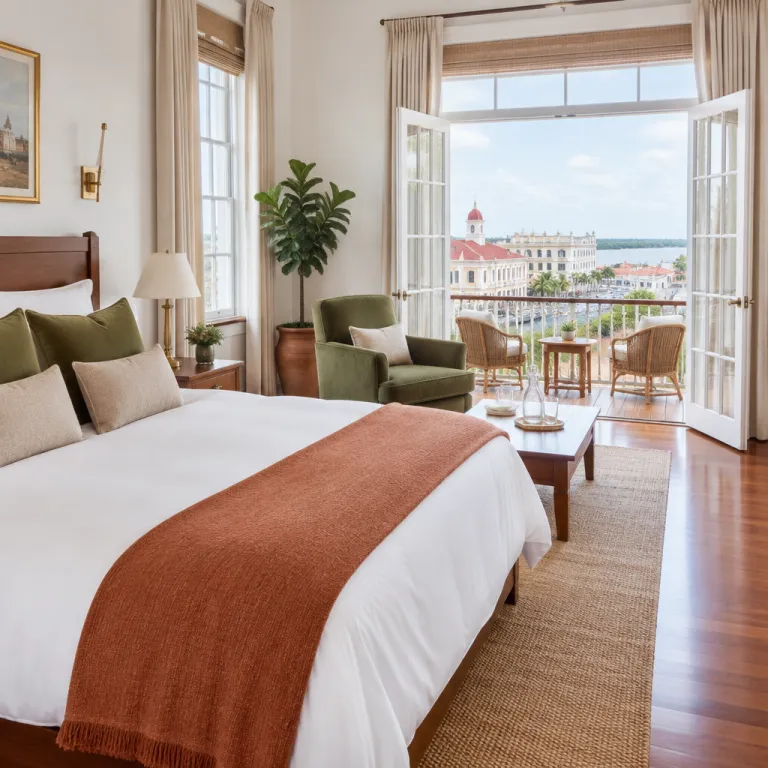
Why the capital of Guyana sets the tone for a luxury stay
The capital of Guyana, Georgetown, is where most premium travellers begin and end their journey. This compact coastal city concentrates the country’s best high end hotels, refined restaurants and essential national services that shape a smooth itinerary. For anyone planning a sophisticated escape in Guyana, understanding how Georgetown works as both city and gateway is the first strategic step.
Georgetown sits on the Atlantic coast of South America, at the mouth of the Demerara River, which has long connected the hinterland to the sea. That river in Guyana still underpins the national economy, from traditional sugar and rice exports to the newer oil and gas sector that now funds infrastructure and hospitality upgrades. When you book a luxury hotel in the capital Guyana relies on for trade and diplomacy, you benefit directly from this economic momentum in the form of better services, improved roads and more reliable utilities.
The city’s layered history also shapes its premium hotel scene, because Georgetown Guyana grew from both Dutch and British colonial settlements. You see this in the wooden colonial houses, the grid of every central street and the canals that still drain the low lying area. Today, that same historic fabric gives upscale properties in Georgetown’s capital district a sense of place that many newer resort destinations in South America lack.
Georgetown is also the seat of the Guyana government, the place where ministries, embassies and the Parliament Building cluster around the main civic squares. This concentration of national institutions means the population of business travellers is steady, which in turn supports a year round market for luxury and premium hotels. For leisure guests, that stability translates into consistent service standards, trained Guyanese staff and a choice of properties that cater to both corporate and holiday needs.
Because the capital of Guyana is relatively small in physical area, you can stay in the heart of the city and still reach the airport, riverfront and cultural sites quickly. Many high end hotels sit within a short drive of Cheddi Jagan International Airport, which handles most international flights from the United States, the wider Caribbean and regional hubs. This proximity reduces transfer times and lets you maximise your first and last days in the country instead of losing hours in traffic.
For travellers interested in Guyanese culture, the capital offers the richest concentration of museums, galleries and performance venues. The Guyana National Museum, the National Gallery of Art and the National Cultural Centre all sit within easy reach of downtown Georgetown hotels. Staying in the city rather than rushing straight to the interior gives you time to understand the national story before you explore the Essequibo region, the Rupununi savannahs or the rainforest lodges.
Georgetown’s neighbourhoods: choosing the right area for premium hotels
Within Georgetown Guyana, the choice of neighbourhood matters as much as the hotel brand when you want a refined stay. The historic core around downtown Georgetown offers proximity to heritage buildings, the riverfront and key government offices, which suits business travellers and culture focused guests. Further east and south, residential districts provide quieter streets, larger plots and a more relaxed Guyanese atmosphere.
The central grid near Main Street and Church Street forms the traditional business and diplomatic quarter of the city. Here you find embassies, banks, the Parliament Building and several of the capital’s most established upscale hotels, all within walking distance of each other. Staying in this area of Georgetown allows you to step from a polished lobby directly into the working life of the country, whether you are meeting officials or exploring colonial era architecture.
North of downtown Georgetown, towards the seawall, the city opens into breezier avenues and waterfront promenades. Some premium properties here use the extra space to offer larger suites, landscaped gardens and pools that catch the Atlantic light. For travellers who want the convenience of the capital of Guyana but prefer a resort like feel, this part of coastal Guyana can be an ideal compromise.
To the south, neighbourhoods such as Queenstown and Bel Air mix residential homes with embassies and professional offices. These districts often host smaller luxury hotels that emphasise privacy, personalised service and quiet surroundings away from the busiest street corners. If you are planning longer stays in Georgetown, perhaps combining business with leisure, this balance of calm and connectivity can be especially appealing.
Georgetown’s layout still reflects its Dutch and British Guiana past, with canals and tree lined avenues that follow the old plantation boundaries. When you choose a hotel, consider how easily you can reach the Demerara River wharves, the main road south to the interior and the coastal highway towards the Essequibo region. Travellers heading beyond the city, for example to emerging destinations highlighted in guides to the west coast corridor quietly entering Guyana’s tourism map, benefit from staying near these arterial routes.
Because the population of the capital is relatively modest compared with other South America cities, traffic is lighter but can still build up at peak hours. Selecting a hotel that aligns with your daily movements, whether towards government offices, cultural sites or departure points for river Guyana tours, will save time and reduce stress. Luxury and premium booking platforms now often map these micro locations clearly, helping you match your preferred area with the right property.
Historic Georgetown: staying near icons like Stabroek Market and St George’s Cathedral
Many travellers choose the capital of Guyana specifically to immerse themselves in its historic core. Downtown Georgetown concentrates some of the most recognisable landmarks in the country, and staying nearby lets you experience them at quieter early morning and evening hours. For guests who value both heritage and comfort, booking a luxury hotel within this compact area is a strategic choice.
Stabroek Market, with its cast iron clock tower, remains the beating commercial heart of Georgetown Guyana. The surrounding streets pulse with vendors, minibuses and shoppers from every region Guyana, creating a vivid snapshot of the national population in motion. If you stay within walking distance, you can follow detailed local advice on how to navigate Stabroek Market at morning, what to eat and what to carry home while still retreating quickly to the calm of your hotel.
Close by, the Anglican St George’s Cathedral, often called George Cathedral in older references, rises in painted timber above the city. This cathedral is one of the tallest wooden churches in the world, a legacy of the British colonial era and the engineering ingenuity required in a low lying coastal area. Premium hotels near this part of Georgetown often frame views of the spire or the surrounding tree lined squares, adding a sense of place to your room or suite.
Walking these streets, you move through layers of Dutch and British Guiana history, from canal side houses to civic buildings that now host Guyana National institutions. The Parliament Building, with its neoclassical façade, anchors the political life of the country and sits within a short stroll of several high end properties. Staying nearby is particularly convenient if your visit involves meetings with the Guyana government, international organisations or local business leaders.
For food focused travellers, the historic centre offers easy access to Guyanese cuisine that blends indigenous, African, Indian and Chinese influences. From curry houses on a side street to vendors selling fresh fruit near the Demerara River, you can sample the full range of flavours without long transfers. Luxury hotels in downtown Georgetown increasingly partner with local chefs and suppliers, integrating this culinary diversity into their own menus.
Because the capital of Guyana is compact, you can combine heritage walks with riverfront strolls and still return to your hotel in time for an evening cocktail. Many premium properties now offer guided tours of the city, highlighting not only the famous sites but also lesser known corners where the everyday life of Guyanese residents unfolds. Choosing a hotel that understands and interprets this historic environment will deepen your appreciation of both the city and the wider country.
Culture, politics and people: how Georgetown shapes the Guyanese experience
Staying in the capital of Guyana gives you a front row seat to the country’s cultural and political life. Georgetown is where national decisions are made, where artists exhibit and where communities from every region converge for business, education and celebration. For travellers, this concentration of activity turns a hotel stay into a window on the Guyanese experience.
The city hosts the main offices of the Guyana government, including the presidential complex and key ministries that manage the national economy, infrastructure and social services. Current president Irfaan Ali has overseen a period of rapid economic change driven by offshore oil discoveries, which has increased international attention on Georgetown. As foreign investment grows, you see the impact in upgraded roads, new commercial towers and a more diverse range of luxury and premium hotels catering to both corporate and leisure guests.
Georgetown’s population reflects the broader diversity of Guyana, with Afro Guyanese, Indo Guyanese, mixed heritage and indigenous communities all present in the city. This mix shapes everything from street food to festivals, giving visitors a rich cultural palette to explore within a relatively small area. When you choose a hotel, look for properties that highlight Guyanese art, textiles and music, because these details connect your stay to the people who define the country.
The capital also serves as the main hub for international connections, with Cheddi Jagan International Airport linking Guyana to the United States, the wider Caribbean and other South America gateways. Many travellers time their arrivals or departures to coincide with quieter travel periods, and some specialist guides explain why a shoulder month such as September can reward quiet travellers with lower rates and thinner trails across the country. Aligning your hotel booking in Georgetown Guyana with these patterns can secure better value even at the premium end of the market.
Politically, the city has moved from its days as British Guiana’s colonial capital to a modern democracy that still navigates the legacies of plantation economies and external influence. The Parliament Building and nearby squares often host national ceremonies, protests and cultural events that you may witness from your hotel balcony or during a short walk. Observing these moments offers insight into how the Guyana national identity continues to evolve in response to both domestic debates and international pressures.
For many visitors, the most memorable encounters in the capital of Guyana come not from monuments but from everyday interactions. A conversation with a taxi driver about the Demerara River, a market vendor explaining indigenous ingredients or a hotel concierge sharing family stories from the Essequibo region all add texture to your stay. Choosing hotels that employ and empower local staff ensures that these authentic voices remain at the centre of the hospitality experience.
From river to rainforest: using Georgetown as a launchpad for wider Guyana
Georgetown’s position at the mouth of the Demerara River makes the capital of Guyana a natural staging point for journeys into the interior. Luxury and premium travellers increasingly use the city as a base for curated excursions to rivers, savannahs and rainforest lodges that showcase the country’s biodiversity. The best hotels understand this role and offer seamless connections between urban comfort and wilderness adventure.
From the capital, you can access boat trips along the Demerara River and other waterways that form the wider river Guyana network. These excursions often reveal mangroves, birdlife and small riverside communities that depend on the national economy’s traditional sectors such as fishing and small scale agriculture. Many high end properties now work with reputable operators to ensure that such tours respect both the environment and the rights of indigenous communities who have long lived along these banks.
Beyond the Demerara, the Essequibo River and the broader Essequibo region open routes to some of Guyana’s most celebrated natural attractions. Travellers often combine a few nights in Georgetown with flights or overland journeys to interior lodges near Kaieteur Falls, the Rupununi savannahs or remote forest camps. Using the capital as your logistical anchor allows you to store luggage, access reliable communications and enjoy a final night of urban comfort before or after more rustic stays.
Because the country’s road network radiates from the capital of Guyana, your choice of hotel can simplify transfers to the south and west. Properties located near main exit routes reduce the time spent crossing downtown Georgetown traffic, which can be significant during morning and evening peaks. Some premium hotels now coordinate directly with domestic airlines and overland transport providers, creating integrated itineraries that minimise waiting times and maximise time in the field.
As tourism in region Guyana expands beyond traditional hotspots, new corridors such as the west coast and lesser known river systems are quietly entering the tourism map. Thoughtful guides to these emerging areas help travellers understand how to move beyond the Rupununi Region Two and the West Coast corridor while still respecting local communities and fragile ecosystems. Booking through a luxury focused platform that understands both Georgetown Guyana and these frontier destinations ensures that your trip remains coherent and well supported.
For many guests, alternating nights between the capital and the interior creates a satisfying rhythm of experience. One evening you might dine in a polished restaurant on Main Street, the next you could be listening to nocturnal forest sounds in a remote lodge far from any city lights. Using Georgetown as the hinge between these worlds allows you to enjoy the full spectrum of what Guyana offers, from national institutions to untouched landscapes.
Practical booking tips for luxury and premium hotels in Georgetown
Securing the right hotel in the capital of Guyana requires more than simply choosing a star rating. Georgetown’s compact size, evolving infrastructure and mix of business and leisure demand mean that timing, location and service profile all influence your experience. With thoughtful planning, you can align these factors to match your travel style and expectations.
Start by clarifying whether your priority in Georgetown Guyana is proximity to government offices, cultural sites, nightlife or transport hubs. Business travellers often prefer hotels near the Parliament Building, Main Street and the central bank, where meetings and official appointments cluster. Leisure guests may instead value easy access to the seawall, historic churches such as St George’s Cathedral and markets where Guyanese crafts and foods are sold.
Seasonality also shapes availability and pricing in the capital Guyana depends on for most of its international arrivals. Periods around major national events, such as independence celebrations or regional summits, can see premium properties fill quickly with delegations and media. By contrast, shoulder months often bring thinner crowds and more competitive rates, especially when combined with flexible arrival dates at Cheddi Jagan International Airport.
When evaluating luxury hotels, look beyond room size and décor to assess how well the property connects you to the wider country. Ask whether the concierge team has first hand relationships with reputable guides in the Essequibo region, the Rupununi or coastal communities to the west and south. Hotels that invest in these networks tend to provide more reliable information, safer excursions and a deeper understanding of Guyana’s indigenous cultures and natural assets.
Service standards in Georgetown have risen as the national economy has grown and more international brands have taken interest. Still, locally owned premium hotels often offer the most nuanced insight into Guyanese society, from food sourcing to staff training and community partnerships. Reading recent guest feedback and speaking directly with reservations teams can help you distinguish between properties that simply use the word luxury and those that genuinely deliver it.
Finally, consider how your hotel choice in the capital of Guyana aligns with your values regarding sustainability and cultural respect. Properties that manage water and energy carefully, support local suppliers and engage respectfully with indigenous communities contribute positively to the country’s long term development. As tourism expands, guests who choose such hotels help ensure that the benefits of the sector reach beyond downtown Georgetown into every region Guyana calls home.
Key figures and context for the capital of Guyana
- The population of Georgetown is commonly estimated at around 120 000 residents, while the wider metropolitan area hosts roughly 200 000 people, making it the largest city in Guyana by a clear margin according to national census data.
- Guyana’s overall population is approximately 800 000 people, which means that around one quarter of all Guyanese citizens live in or around the capital, concentrating demand for services, jobs and hospitality in Georgetown.
- The national economy has grown rapidly in recent years due to offshore oil production, with the World Bank reporting double digit GDP growth rates that have increased government revenues and funding for infrastructure in the capital of Guyana.
- Tourism remains a smaller share of the economy compared with oil and mining, but international arrivals have been rising steadily, encouraging investment in new hotels and upgrades to existing properties in Georgetown and the Essequibo region.
- Cheddi Jagan International Airport, located about 40 kilometres south of Georgetown, handles the majority of international flights to and from Guyana, including regular services connecting the country to the United States and other South America and Caribbean hubs.
FAQ about staying in the capital of Guyana
Is Georgetown safe for luxury travellers ?
Georgetown is generally safe for visitors who take standard urban precautions, especially in areas where premium hotels cluster. Most high end properties provide secure entrances, vetted taxis and guidance on which street routes are best at different times of day. As in any South America city, staying aware of your surroundings and using hotel recommended transport at night is advisable.
Which area of Georgetown is best for first time visitors ?
First time visitors often prefer staying near downtown Georgetown, close to Main Street, Stabroek Market and St George’s Cathedral. This area offers easy access to historic sites, restaurants and riverfront walks while keeping transfer times from Cheddi Jagan International Airport manageable. Many of the capital’s most established luxury and premium hotels are located in or near this central district.
How many nights should I spend in the capital of Guyana ?
For most itineraries, two to three nights in Georgetown provide enough time to explore key landmarks, adjust after international flights and organise onward travel. Travellers combining business and leisure may choose a longer stay to accommodate meetings with the Guyana government or local partners. If you are planning extensive trips into the Essequibo region or the Rupununi, consider splitting your time with nights in the capital at both the start and end of your journey.
Can I arrange interior tours directly from my Georgetown hotel ?
Yes, many luxury and premium hotels in the capital of Guyana work closely with reputable tour operators who run trips to Kaieteur Falls, river lodges and indigenous communities. Booking through your hotel can simplify logistics, especially when coordinating domestic flights or early morning departures. Always confirm that operators follow safety standards and respect local environmental and cultural guidelines.
What is the best way to get around Georgetown from my hotel ?
Most visitors rely on licensed taxis arranged by their hotel, which are affordable and familiar with key destinations such as the Parliament Building, Stabroek Market and the seawall. Some central areas of Georgetown are walkable during the day, particularly around the main business and heritage districts. Ride hailing apps are less common than in larger cities, so advance planning with your concierge is recommended.