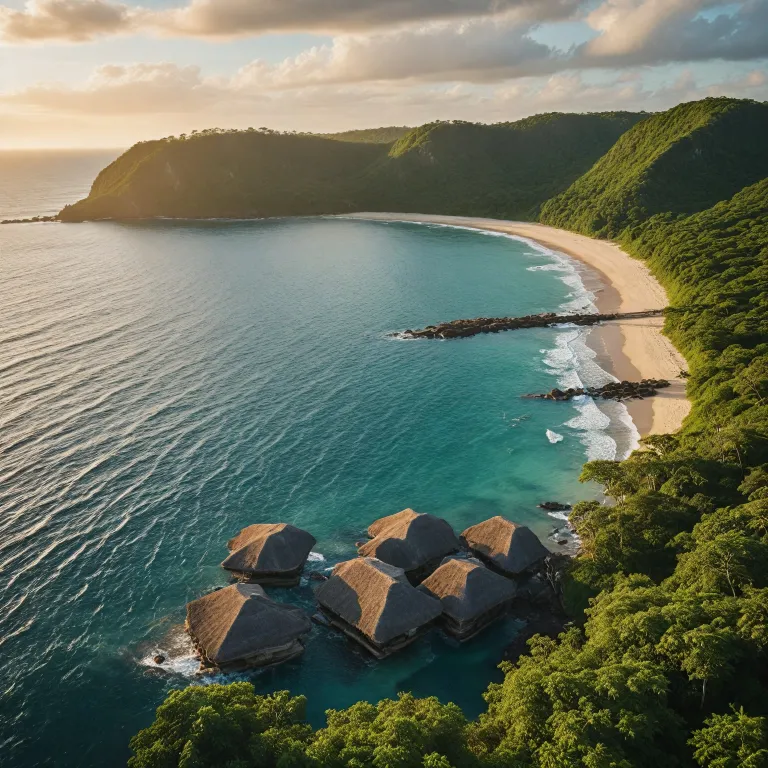
Guyana beaches and the rise of premium coastal escapes
Guyana beaches stretch along a remote Atlantic coast where rivers meet the sea. This coastline feels different from many Caribbean beach destinations, with mangrove forests, wide mudflats, and a sense of untouched country wilderness. For travelers seeking refined stays, the contrast between raw nature and a luxury hotel in guyana can be compelling.
Along the atlantic coast, each beach and river mouth tells part of the history guyana carries as a south american nation shaped by waterways. Premium properties increasingly highlight this link between rivers and sea, offering guided excursions that move from inland rivers to the open atlantic ocean in a single day. When you compare beaches guyana offers with other parts of south america, you notice how long stretches of beach remain quiet, with only fishing boats and sea birds for company.
For guests planning where to stay, the best strategy is to think about how you want to experience each beach guyana presents, from urban sands near georgetown to remote shell beach. Some travelers prefer a premium hotel in the city, then day trips to nearby beaches, while others choose tour operators that combine inland rainforest lodges with coastal nights. Either way, understanding how protected areas and conservation rules shape access to guyana beaches will help you select the right level of comfort and privacy.
Planning a luxury stay near georgetown and the atlantic coast
Georgetown sits close to the atlantic coast, so several premium hotels position guests within easy reach of an urban beach or river estuary. These properties often combine refined interiors with views of the sea or the wide rivers that define this part of south america. When comparing options, use a specialist guide to hotels in Guyana and premium stays to balance location, service level, and access to beaches.
From georgetown, you can reach several beaches guyana residents use for weekend relaxation, where the atlantic ocean rolls in over shallow sandbars. These areas may not resemble a classic caribbean postcard beach, yet they offer authentic insight into daily life in the country and its coastal culture. Luxury travelers often arrange private transfers with tour operators, ensuring comfortable journeys between hotel, beach, and nearby rivers without sacrificing time or privacy.
When booking online, pay attention to how each hotel describes its relationship with the sea, nearby protected areas, and local communities. A property that supports conservation at shell beach or another beach protected zone often provides richer experiences, from guided walks to educational talks about turtle species and coastal ecosystems. Before confirming, review the website’s privacy policy and check footer details such as rights reserved to ensure the platform handling your reservation treats your data with care.
Shell Beach Protected Area and high end eco stays
Shell Beach Protected Area in Barima Waini is one of the most remarkable guyana beaches, stretching for about 123 km along the atlantic coast. This long sweep of sand and shell sits where the country’s northern rivers meet the sea, forming a mosaic of habitats that support several turtle species. For travelers, it offers a rare chance to combine a premium stay with meaningful engagement in conservation.
Here, four sea turtle species nest, including the olive ridley, leatherback, green, and hawksbill, making shell beach one of the top coastal wildlife sites in south america. The area’s status as a protected area means that any luxury or premium accommodation must work closely with conservation partners and local communities. Many tour operators collaborate with the Guyana Marine Turtle Conservation Society and local Amerindian villages to align guest activities with beach protected rules and broader protected areas management.
High end eco focused stays near shell beach often emphasize low impact design, guided night walks to see sea turtle adults come ashore, and early morning visits to watch females lay eggs. Guests may also learn how community patrols use satellite tracking, beach monitoring, and traditional knowledge to safeguard this fragile stretch of beaches guyana treasures. For inspiration on how thoughtful design and sustainability intersect in premium properties, you can explore this feature on top luxury resorts and exceptional guest experiences in Guyana.
Wildlife, sea turtles, and responsible beach experiences
Many travelers choose guyana beaches specifically to witness sea turtle nesting, especially along shell beach and nearby stretches of the atlantic coast. The combination of remote sands, minimal light pollution, and strict beach protected protocols creates ideal conditions for several turtle species. According to conservation partners, “Leatherback, Green, Hawksbill, and Olive Ridley turtles.” all use this coastline for nesting.
When you stay in a premium lodge or hotel that partners with conservation groups, your visit can directly support protected areas management and community livelihoods. Guided walks usually follow clear rules about distance from nesting females, use of red filtered lights, and limits on group size to protect both individual turtle and wider species survival. Guests often find that these carefully managed experiences feel more exclusive and meaningful than crowded wildlife encounters in other parts of the caribbean or south america.
Responsible tour operators will brief you on how to move along the beach, where to stand when turtles lay eggs, and how to avoid compacting the sand above nests. They may also explain how rivers flowing from the south and interior bring nutrients to the sea, shaping the food web that supports marine life along beaches guyana protects. Before sharing images or updates on platforms such as Facebook Twitter, consider whether geotagging sensitive nesting sites could unintentionally increase disturbance.
How luxury booking platforms frame guyana beaches
Premium hotel booking websites focused on guyana increasingly highlight the contrast between wild beaches and refined interiors. Many platforms now present shell beach, other beaches guyana protects, and nearby rivers as central elements of the guest experience rather than optional excursions. This shift reflects growing ecotourism interest and a desire to connect luxury with the natural character of the country.
On a well designed site, you should find clear descriptions of how close each property is to the sea, a river mouth, or a protected area. Look for details about transfers to the atlantic coast, seasonal access to shell beach, and partnerships with conservation actors in Barima Waini and other protected areas. Some platforms also explain how they support the Shell Beach Protected Area and Guyana Marine Turtle Conservation Society through donations or guest participation fees.
When evaluating options, pay attention to how transparently a booking website presents its privacy policy, terms, and rights reserved statements. A trustworthy platform will also clarify whether rates include guided visits to beach protected zones, river cruises, or sea turtle monitoring walks. For deeper insight into how architecture and design shape premium coastal stays, you can read this analysis of architectural inspirations in luxury hotel booking websites in Guyana.
Choosing the best coastal itinerary in a south american context
Designing an itinerary around guyana beaches means balancing time between georgetown, river based lodges, and remote atlantic coast stays. Many travelers start in the capital, then move north west toward Barima Waini and shell beach, before heading south into the interior. This route allows you to experience the full gradient from urban beach and riverfront to protected area and deep rainforest.
When comparing itineraries, consider how many nights you want near the sea versus along rivers, and how important direct access to a beach guyana protects is for your trip. Some guests prioritize multiple nights near shell beach during peak nesting months, while others prefer a shorter coastal stay combined with more time on inland rivers. In both cases, working with experienced tour operators helps align logistics, flight schedules, and boat transfers across long distances.
As you refine your plans, think about how each stop contributes to your understanding of history guyana, from colonial era port towns on the atlantic ocean to indigenous communities along remote rivers. A thoughtful mix of city hotels, coastal eco lodges, and riverfront retreats can deliver both comfort and depth, especially when framed by responsible engagement with protected areas. To stay informed, follow conservation partners and premium travel providers on channels such as Facebook Twitter, where they often share updates on sea turtle activity and seasonal beach conditions.
Key statistics on shell beach and sea turtle conservation
- Length of Shell Beach within the Shell Beach Protected Area is approximately 123 km along the atlantic coast.
- Number of sea turtle species nesting on this stretch of guyana beaches is four distinct species.
- Conservation efforts at shell beach have been ongoing for several decades, with formal protected area status now in place.
- Community engagement, habitat monitoring, and anti poaching patrols operate across multiple protected areas in the region.
Questions travelers often ask about guyana beaches
What species of sea turtles nest at Shell Beach?
Four sea turtle species nest along shell beach in Barima Waini on the atlantic coast of guyana. Visitors may encounter leatherback, green, hawksbill, and olive ridley turtles using this long beach to lay eggs in carefully chosen sites. Guided visits with trained tour operators help ensure that each turtle and its nest remain protected during viewing.
How can visitors contribute to conservation efforts?
Guests staying near guyana beaches can support conservation by joining guided night walks, paying conservation fees, and choosing hotels that partner with local NGOs. Many programs invite visitors to assist with simple monitoring tasks, such as counting tracks or recording turtle species observed along the beach. Respecting beach protected rules, avoiding litter, and sharing responsible messages on Facebook Twitter also contribute to long term protection.
When is the best time to visit Shell Beach for turtle nesting?
The most reliable period to see sea turtle nesting along shell beach generally falls between late dry season and mid year months. During this time, different turtle species come ashore at night, offering higher chances of witnessing females lay eggs. Travelers should coordinate with tour operators and premium hotels in guyana to align their stay with peak nesting activity and suitable weather.