Where to see a jaguar in Guyana while keeping the family comfortable
Families asking where to see a jaguar in Guyana usually start with maps, but the real answer begins on a lonely forest road between the Essequibo and the Rupununi. This is the Iwokrama Forest, a protected block of pristine nature in the heart of Guyana where tourism is carefully managed and where the odds of a wild jaguar sighting are higher than almost anywhere else in South America. For a premium family, the question is not only where the jaguar lives, but which lodge along this giant river corridor lets the children sleep well while the parents still feel they are in the middle of Guyana wildlife.
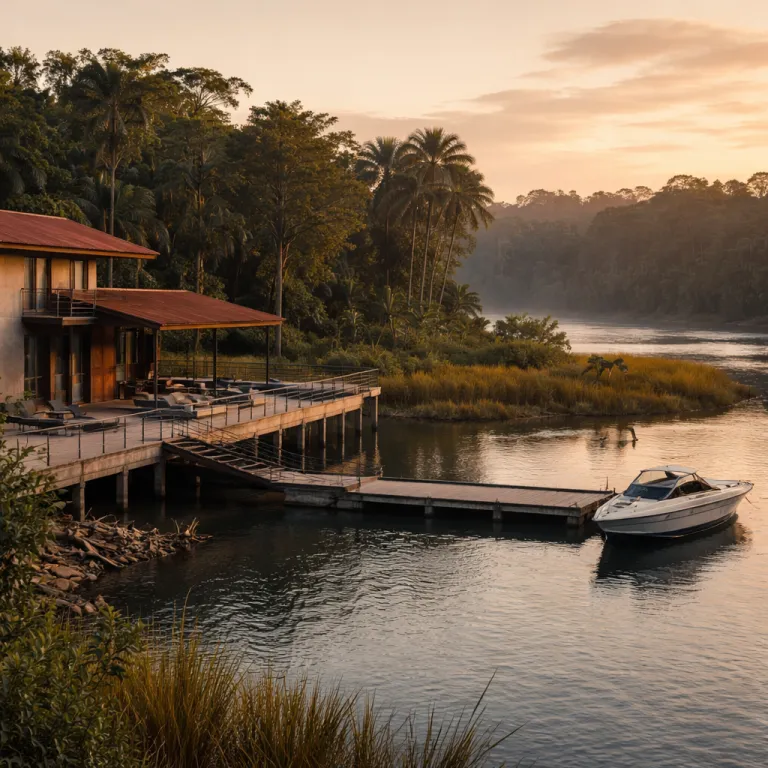
Iwokrama River Lodge sits on a broad river bend, its eight cabins facing the water and catching the breeze that drifts over the fish rich channel. The lodge uses solar power, fans and en suite bathrooms, so you trade air conditioning for the soft rush of the river and the night chorus of bird species and frogs, a compromise that most families find acceptable once they understand what fans not AC really means at this latitude. From here, guided drives along the forest road, boat patrols on the river and walks on Turtle Mountain trails form the backbone of responsible tourism in this region, with local guides explaining where jaguar tracks cross the clay and which calls belong to harpy eagles, macaws or more secretive species Guyana is known for.
Expectation management is crucial when you decide where to see a jaguar in Guyana with children who may have limited patience. Internal monitoring logs from Iwokrama guides and conservation partners suggest that the average jaguar sighting success rate on focused drives is in the region of thirty percent, which is excellent for a wild big cat yet still means most outings end with tracks, scat and stories rather than a full view of the animal. These figures are working estimates based on long term guide records and camera trap projects rather than a formal, peer reviewed statistic, and the official guidance here is clear and worth repeating to older kids before you arrive; “Are jaguar sightings guaranteed? No, sightings are not guaranteed due to their elusive nature.”
Iwokrama River Lodge and Atta Rainforest Lodge for serious wildlife with real beds
For families focused on where to see a jaguar in Guyana without sacrificing sleep, Iwokrama River Lodge is the logical first base. The cabins line the river like a small village, and while they are not palatial, they offer proper mattresses, mosquito nets, private bathrooms and enough space for a parent and child to share comfortably, which matters when a howler monkey starts at four in the morning. You wake to mist over the river, the silhouettes of river turtles on logs and the first bird calls, then step onto your veranda with coffee while local guides quietly check for fresh jaguar tracks on the sandbar below.
Daytime here is about more than one species; boat trips reveal freshwater fish flashing below the surface, river otters sometimes porpoising alongside, and black caiman sliding off the banks at dusk, while the forest trails introduce children to giant anteater burrows, leafcutter ant highways and the complex web of species Guyana protects. The lodge works closely with nearby communities under a community based tourism model, so your fees support schools, ranger patrols and camera trap monitoring that helps track the estimated five hundred strong jaguar population in Guyana. This figure is a rounded, indicative number drawn from internal Iwokrama Trust reports, long term camera trap projects and guide records rather than a precise national census, but it gives families a sense of the scale of big cat conservation here. When you ask staff where the best time and place for a drive might be, they answer from lived experience, steering you toward dawn and dusk outings during the long dry season, which is widely considered the best time to focus your visit.
Two hours south along the same forest road, Atta Rainforest Lodge offers a slightly more rustic but still comfortable answer to where to see a jaguar in Guyana, especially for families with older children who can handle heat and basic amenities. Atta’s main draw is the canopy walkway, a series of suspended platforms where you stand eye level with toucans, parrots and sometimes a harpy eagle cruising the treetops, a moment that often eclipses the jaguar in family memory. For a deeper look at how these nature retreats fit into the wider landscape of premium stays, our guide to luxury and premium nature retreats in Guyana maps out which lodges balance wildlife, comfort and access most effectively for different types of travelers.
Karanambu and Rupununi lodges where giants and otters steal the show
Once families understand that Iwokrama is where to see a jaguar in Guyana with the most realistic odds, the next question is what comes after the forest road. The answer lies on the Rupununi savannah, a vast grassland cut by oxbow lakes and quiet creeks where other giants take center stage and where lodges have honed a softer, more relaxed rhythm that works beautifully for children. Here, the focus shifts from dense forest to open horizons, from jaguar tracks to giant anteaters, giant river otters and the slow glide of river turtles through lily choked ponds.
Karanambu Lodge is the classic choice for families who care as much about conservation stories as they do about thread count, and it is one of the most important names in tourism Guyana offers. Founded as a cattle ranch and later transformed into a conservation hub by Diane McTurk, Karanambu built its reputation around orphaned giant otters and now works with wild river otters and other species Guyana protects, offering boat trips at dawn and dusk that almost always deliver close views of these charismatic animals. Rooms are simple but atmospheric, with high ceilings, fans and mosquito nets, and while you will not find air conditioning, you will find cold drinks on the veranda, attentive local staff and a sense that every dollar you spend supports community based, conservation based tourism rather than anonymous mass development.
Further across the Rupununi, other lodges offer different balances of comfort and wildlife, and this is where premium families need to read between the lines. Some properties lean toward bird focused itineraries, with guides pointing out cock of the rock leks, jabiru storks and dozens of smaller bird species along the river, while others emphasize black caiman night floats, freshwater fish excursions or tracking the elusive giant anteater at first light. For travelers who want a benchmark of refined rainforest comfort before or after Guyana, looking at a property such as Ceiba Tops style rainforest comfort can help set expectations about what fans, solar power and screened windows mean in practice when you return to Guyana’s wilder lodges.
Comfort trade offs, logistics with children and responsible tourism choices
Choosing where to see a jaguar in Guyana as a family is as much about logistics and comfort thresholds as it is about wildlife density. Most premium nature lodges in Guyana operate on solar power with limited generator hours, which means fans instead of air conditioning, cooler showers instead of long hot baths and a gentle reminder that you are in one of South America’s last great intact wilderness regions. For parents used to large resort infrastructure, this shift can feel stark on the first night, but children often adapt faster, lulled to sleep by the river and the distant calls of night birds and frogs.
Reaching these lodges usually involves a domestic flight in a small aircraft, followed by a river transfer or four wheel drive journey, and weight limits on luggage are strict, so packing light becomes an art. Typical interior flights from Georgetown to airstrips such as Fair View (for Iwokrama), Annai or Lethem are operated by regional carriers like Trans Guyana Airways and Air Services Limited, and most routes apply luggage limits of roughly 9–15 kg per person in soft bags, so confirm exact allowances before you pack. Leave hard suitcases at your Georgetown hotel, bring soft duffels, and focus on breathable clothing, a compact camera, binoculars and a single small toy or book per child rather than a full entertainment arsenal, because the river otter surfacing beside the boat or a harpy eagle overhead will hold their attention more effectively than any screen. Safety briefings at each lodge cover where children can walk unaccompanied, how to behave near water where black caiman and river turtles live, and why responsible tourism means staying on trails so as not to disturb nesting bird species or fragile riverbank vegetation.
Practical family logistics at a glance
Typical domestic flights from Georgetown to interior airstrips take around one hour with small regional carriers, and many routes apply luggage limits of roughly 9–15 kg per person in soft bags, so confirm exact allowances before you pack. A simple family checklist might include light long sleeved shirts and trousers, a wide brimmed hat, closed walking shoes, swimwear, insect repellent, child friendly sunscreen, a compact pair of binoculars to share and a small headlamp per person. Most itineraries work best for school age children and teenagers who can manage early starts, bumpy tracks and basic lodge comforts, while younger kids may be happier with shorter stays or more time in Georgetown at the beginning and end of the trip.
A nine day family itinerary that balances jaguar hopes and soft landings
When you map out where to see a jaguar in Guyana over a family friendly nine day trip, think in three acts; city, forest, savannah. Start with one night in Georgetown at a comfortable central hotel, using the afternoon to visit the Guyana Zoo in the Botanical Gardens, where children can safely see a jaguar, a harpy eagle and other Guyana wildlife up close while you explain that the real goal is to meet their wild cousins later in the week. This first stop also lets everyone adjust to the climate and gives you time to repack into lighter bags for the interior.
Act two is four nights at Iwokrama River Lodge, which is the core of any serious answer to where to see a jaguar in Guyana for families. Plan two dusk and two dawn drives along the forest road, a Turtle Mountain hike for older children, and at least one night boat on the river to look for black caiman eyeshine, river turtles and the silhouettes of river otters against the reflections of the forest. Between outings, children can swim in designated safe sections of the river under guide supervision, watch giant river fish being landed by local anglers and learn how camera traps help researchers estimate that around five hundred jaguars still roam the forests and savannahs of Guyana.
Act three shifts to the Rupununi for three nights at Karanambu or a similar lodge, where the focus moves from where to see a jaguar in Guyana to how to meet the wider cast of giants and birds that make this region special. Morning excursions might track a giant anteater across the savannah, while afternoon boat trips search for giant river otters, freshwater fish and flocks of bird species heading to roost, with the occasional cock of the rock display in nearby forest patches if conditions allow. Fly back to Georgetown for a final night in a premium hotel, where hot showers, air conditioning and a proper city dinner provide a gentle reentry, and where parents can reflect that they never had to choose between the kids seeing a jaguar and sleeping in a real bed after all.
FAQ
What is the best time to see jaguars in Guyana with children ?
The best time to focus on where to see a jaguar in Guyana with a family is during the long dry season, when roads are more reliable and wildlife concentrates along rivers and forest edges. Local conservation data and guide experience align on one key point; “What is the best time to see jaguars in Guyana? Dawn and dusk during the dry season offer the best chances.” For families, this means planning early morning and late afternoon drives, then using the hotter midday hours for rest, river swims in safe areas or gentle birdwatching around the lodge.
Is it safe to visit areas where jaguars and other wildlife are present ?
Traveling to the lodges where you are most likely to see a jaguar in Guyana is considered safe when you are with experienced local guides and follow their instructions. Trails, river routes and viewing areas are chosen with both wildlife behavior and guest safety in mind, and briefings cover how to move quietly, where children can walk and why you should never approach a wild animal, whether it is a black caiman, a giant anteater or a curious river otter. The official advice from conservation partners is reassuring; “Is it safe to visit areas where jaguars are present? Yes, with experienced guides and proper precautions.”
Are jaguar sightings guaranteed on a family trip ?
No operator can guarantee where to see a jaguar in Guyana on a specific day, even in Iwokrama, which has one of the highest sighting rates in the region. Camera trap data and guide logs suggest that roughly three out of ten focused drives produce a sighting, which is excellent for a wild big cat but still leaves room for near misses. Families should frame the trip around the full spectrum of Guyana wildlife, from harpy eagles and river otters to river turtles and rare bird species, so that the week feels rich and memorable even if the jaguar remains a shadow in the forest.
How far in advance should we book lodges in Guyana’s interior ?
Because capacity is limited and responsible tourism policies cap guest numbers, the lodges that sit near the best areas for jaguar and giant otter viewing often fill months ahead, especially in the dry season. Premium family rooms are usually the first to go, so once you decide where to see a jaguar in Guyana and which properties fit your comfort level, aim to confirm flights and lodge stays at least three to six months before travel. This lead time also gives you space to coordinate domestic flight schedules, arrange private transfers and discuss any special needs your children may have with lodge managers.
What should we pack for a premium family wildlife trip in Guyana ?
Packing for a journey focused on where to see a jaguar in Guyana is about balancing comfort with weight limits on small aircraft. Light, breathable clothing, a wide brimmed hat, good walking shoes, insect repellent, a compact pair of binoculars and a camera with a modest zoom are more valuable than heavy gear, while a small flashlight or headlamp helps children feel secure on night walks or boat outings. Most lodges provide basic toiletries and filtered water, so you can leave bulky items at home and save space for essentials that enhance your experience of Guyana’s rivers, forests and wildlife rich savannahs.