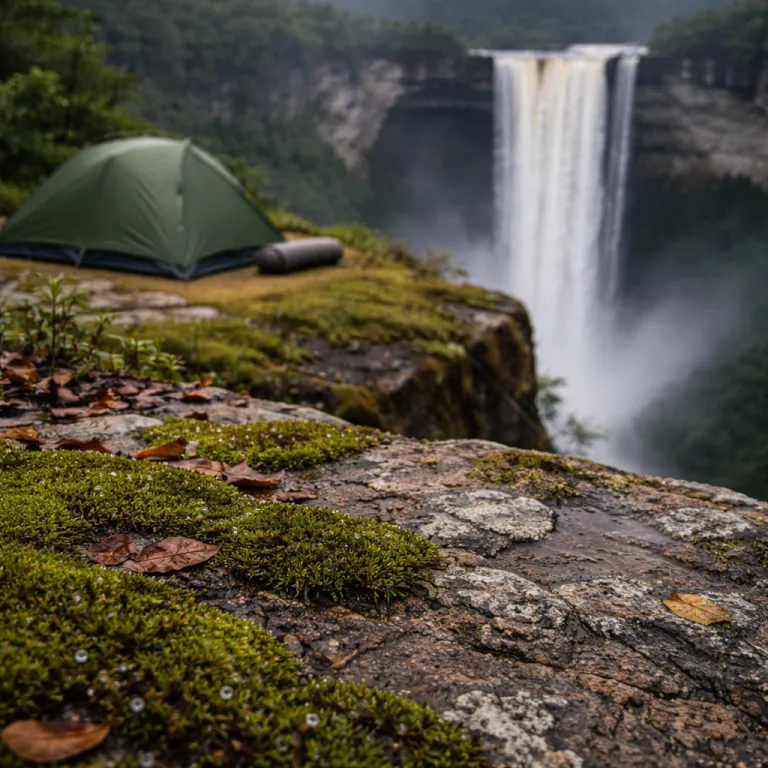
Staying close to Kaieteur Falls without sleeping on the edge
Kaieteur Falls sits in a remote fold of central Guyana, a sheer drop of 226 meters that feels almost removed from South America itself. This is the world’s tallest single drop waterfall by total height and volume, and that scale shapes every decision you make about where to sleep, which tour to book, and how to structure a refined falls adventure without losing the sense of solitude. There is no hotel at the lip of the falls kaieteur plateau, so luxury travelers need to think in terms of base lodges, charter flights, and guided tour timing rather than a simple riverfront resort booking.
The honest math is this ; you either fly in and out on a same day tour from Georgetown, or you pair Kaieteur National Park with one of the rainforest lodges that sit along the Essequibo or Potaro River corridors. Day trips offer a clean, controlled experience for people who prefer to return to a polished suite in the capital, while lodge based itineraries create a deeper connection with the rainforest, the indigenous guides, and the rich biodiversity that defines this corner of Guyana. Either way, you are planning around charter aircraft weight limits, weather windows in each season, and the fact that the national park remains deliberately hard to reach to preserve its natural beauty.
Think of Georgetown as your urban staging ground, not your final destination for the Kaieteur experience. The city’s premium hotels and refined suites give you a soft landing in Guyana, then local operators handle the chartered aircraft and guided tours into the interior. That separation between city comfort and remote nature is exactly what keeps the falls adventure awe inspiring, because you step from air conditioned lobbies into a cockpit that banks over the Potaro River and then onto a short airstrip carved out of rainforest, with the roar of the drop waterfall building as you walk toward the edge.
Charter flights, dawn light and the real cost of getting to the falls
Reaching Kaieteur Falls almost always starts at Ogle or Eugene F. Correia International Airport, where small charter aircraft lift you out over the Demerara and into Guyana’s interior. Most charter overflights last 4 to 6 hours door to door, including time on the ground at Kaieteur National Park, and that duration shapes how you combine the falls kaieteur leg with the rest of your South America itinerary. Operators will remind you to book flights in advance, wear sturdy footwear, and bring rain gear, because the rainforest weather can turn quickly in any season.
Weight limits on these aircraft are strict, so people traveling in a luxury style still need to think like expedition guests rather than cruise passengers. Soft duffel bags are preferred over hard luggage, and a small daypack with a rain shell, dry bag, and camera is usually all you carry on the guided tour from the airstrip to the viewpoints above the single drop. Weather cancellation policies vary by local tour company, but the best operators in Guyana kaieteur country will either rebook your falls adventure or route you toward another natural highlight if low cloud makes the sheer drop invisible.
The most elegant way to structure this leg is to fold Kaieteur into a wider rainforest circuit that includes Iwokrama River Lodge, Atta Rainforest Lodge, or the simple but atmospheric Kaieteur Lodge. These properties are not about a lodge star rating ; they are about the Amerindian guide who points out a guianan cock of the rock on the trail or the golden frog hiding in a bromeliad near cock rock. For a deeper look at how these properties work in practice, study this guide to luxury hotel experiences near Kaieteur Falls, which breaks down room categories, service style, and how each lodge offers a different balance between comfort and immersion in nature.
Why pairing Kaieteur with Iwokrama or Atta makes better rainforest sense
Spending two full days solely on Kaieteur Falls rarely makes sense for luxury travelers, because the national park is compact and the viewpoints cluster along a short network of trails. A smarter approach is to treat the falls as the dramatic centerpiece of a broader rainforest adventure that includes Iwokrama River Lodge or Atta Rainforest Lodge, where you sleep in comfort yet wake to the sounds of howler monkeys and river birds. This combination lets you experience the awe inspiring single drop waterfall, then sink into slower days of river trips, canopy walks, and guided tours that reveal the rich biodiversity of central Guyana.
Iwokrama River Lodge works well for people who want river based activities, with boat tours along the Essequibo that create a softer contrast to the raw power of the Potaro River at Kaieteur. Atta Rainforest Lodge, by contrast, offers immediate access to the Iwokrama canopy walkway, where you can watch guianan cock of the rock males display at dawn and listen for harpy eagles while the forest breathes below. Both lodges rely on local indigenous staff whose knowledge of nature, medicinal plants, and wildlife behavior turns a standard tour into a layered cultural experience that feels beauty rich rather than staged.
Back in Georgetown, you can reward yourself with a night or two in one of the city’s more refined suites, using a curated guide to luxury hotel suites in Guyana to choose the right property. This is where high thread count linens, thoughtful room service, and strong air conditioning reset your senses after days of humidity and river spray. The contrast between rainforest lodges and urban hotels is part of the Guyana kaieteur rhythm, and handling that transition well is what separates a merely good trip from a genuinely memorable falls adventure.
The Kaieteur viewpoints, best light and how to photograph the sheer drop
Once you land on the Kaieteur airstrip, the guided tour follows a forested path that opens onto a series of viewpoints, each framing the falls and the Potaro River differently. The first stop usually looks back toward the waterfall from a safe distance, giving you a sense of the full single drop and the way the river narrows before it hurls itself into the gorge. Later viewpoints bring you closer to the edge, where the sound becomes physical and the spray hangs in the air like a fine mist over the rainforest canopy.
The most coveted photo spot sits near cock rock, a prominent outcrop where the guianan cock of the rock sometimes perches, and where the angle lets you capture the entire drop waterfall with the national park plateau stretching away behind it. Early morning or late afternoon light is best here, when the sun rakes across the falls kaieteur face and the shadows carve depth into the rock walls, so plan your tour timing accordingly when you speak with local operators in Georgetown. Dry season from roughly September through April often offers clearer skies, while the early shoulder of the wet season can create a more powerful river flow that makes the waterfall feel even more awe inspiring.
Wildlife lovers should not rush back to the aircraft after their first photographs, because the micro world around the viewpoints is just as rich. Look closely at the tank bromeliads near the edge and you may see the tiny golden frog that lives its entire life inside these natural water reservoirs, a perfect emblem of the rich biodiversity that makes Kaieteur National Park more than just a dramatic sheer drop. This is where the comparison with Niagara Falls becomes almost absurd, because while Niagara Falls is framed by casinos and highways, Kaieteur remains wrapped in rainforest and silence, a beauty rich in both geology and life.
Packing, budgets and how luxury really works in such a remote place
Packing for Kaieteur Falls means thinking like a minimalist even if you usually travel with multiple suitcases. Charter aircraft on this route have tight weight limits, so soft bags, neutral colored clothing, and a compact camera kit are more practical than hard cases and elaborate wardrobes, especially when your guided tour from the airstrip to the viewpoints lasts only a few hours. A light rain shell, quick drying trousers, and a small dry bag for electronics are worth far more here than another pair of shoes, because the rainforest can shift from sun to downpour in a single season afternoon.
On the financial side, a realistic budget for a 2 to 3 night Kaieteur anchored leg that includes flights, national park fees, and lodge stays usually sits in the upper mid range to luxury bracket for South America. Expect charter flights from Georgetown, guided tours, and quality accommodation at places like Iwokrama River Lodge or Atta Rainforest Lodge to create a package that reflects both the remoteness of Guyana kaieteur country and the logistical complexity of operating in such a natural environment. When you factor in the absence of mass tourism infrastructure, the cost begins to look less like a premium and more like the price of keeping this waterfall and rainforest experience uncrowded and intact.
For travelers who want to extend their stay in style, it is worth consulting a broader guide to elegant hotels in Guyana for a refined stay in South America, then layering Kaieteur into a longer itinerary that might also touch the Rupununi savannahs or the coastal mangroves. In this context, Kaieteur Falls becomes the dramatic centerpiece of a journey through Guyana’s most beauty rich landscapes, rather than a rushed day trip that barely scratches the surface of the country’s rich indigenous cultures and natural heritage. As official guidance often puts it, “How do I get to Kaieteur Falls? Chartered flights from Georgetown. Is there an entrance fee? Yes, fees apply for park entry. What is the best time to visit? September, after the rainy season.”
FAQ about Kaieteur Falls and luxury stays in Guyana
How do I get to Kaieteur Falls from Georgetown ?
Most visitors reach Kaieteur Falls via small charter aircraft that depart from Ogle or Eugene F. Correia International Airport in Georgetown. The flight typically takes around one hour each way, with time on the ground for a guided tour of the national park viewpoints. Seats are usually arranged through local tour operators or as part of a wider lodge based itinerary.
Is Kaieteur Falls suitable for luxury travelers who value comfort ?
Kaieteur itself offers simple infrastructure, but luxury travelers pair the visit with premium hotels in Georgetown and well run rainforest lodges such as Iwokrama River Lodge or Atta Rainforest Lodge. This combination delivers comfortable beds, good food, and attentive service while keeping the actual falls experience raw and natural. The contrast between polished city stays and remote rainforest nights is part of the appeal for many people.
What is the best season to visit Kaieteur Falls for photography ?
The late dry season and early wet season often balance clear skies with strong river flow, which helps the single drop waterfall look powerful without constant rain. Early morning and late afternoon light usually provide the best conditions at the main viewpoints, especially near cock rock. Always check with local operators, because cloud cover and rainfall patterns can shift from year to year.
Can I stay overnight inside Kaieteur National Park ?
Accommodation directly at the falls is extremely limited and basic, so most visitors either fly in and out on the same day or stay at lodges elsewhere in the interior. Properties such as Kaieteur Lodge, Iwokrama River Lodge, and Atta Rainforest Lodge offer more comfortable rooms and structured tours while keeping you relatively close to the national park. This approach preserves the remote character of the falls while still giving travelers access to quality hospitality.
How does Kaieteur compare with Niagara Falls for overall experience ?
Niagara Falls is highly developed, with large hotels, roads, and heavy visitor traffic surrounding the waterfalls on both sides of the border. Kaieteur Falls, by contrast, sits in a remote rainforest setting with minimal infrastructure, limited daily visitor numbers, and a strong emphasis on conservation. Travelers who value solitude, natural beauty, and rich biodiversity usually find the Guyana experience more awe inspiring, even if the amenities are intentionally less urban and polished.