Arriving from Georgetown and setting the stage for a rupununi wildlife experience
Your rupununi wildlife experience begins long before you see the savannah horizon. The short flight from Georgetown into the interior drops you from coastal humidity into a drier light where south America feels suddenly raw, and the shift from city noise to rainforest quiet is immediate. By the time the vehicle or river boat collects you for the final stretch to your lodge, you already sense this trip will run on a different clock.
Most luxury minded travelers pair a night in a refined Georgetown guesthouse with an early departure into north Rupununi or south Rupununi. That first travel day is not about wildlife yet ; it is about resetting your expectations, trading polished lobbies for open air decks, and understanding that in this part of Guyana, the best lodges are defined by their river access, their conservation community ties, and the quality of their wildlife unit rather than marble finishes. If you want a deeper framework for how to judge properties here, read the guide on why Guyana’s best hotels are not the ones with the most stars before you book.
As you drive north along laterite roads or follow the iwokrama river by boat, the landscape shifts from dense rainforest to open savannah and back again. This mosaic is what makes any rupununi wildlife experience so rich, because the same day can hold macaws over the rainforest canopy, herons along a quiet river, and nightjars hawking insects above the lodge clearing. Luxury here is measured in how close your room sits to that edge between river and forest, and how quickly you can step from your veranda into a boat at first light.
Day one, 5 a.m. to noon: river otters at sunrise and a rainforest day in slow motion
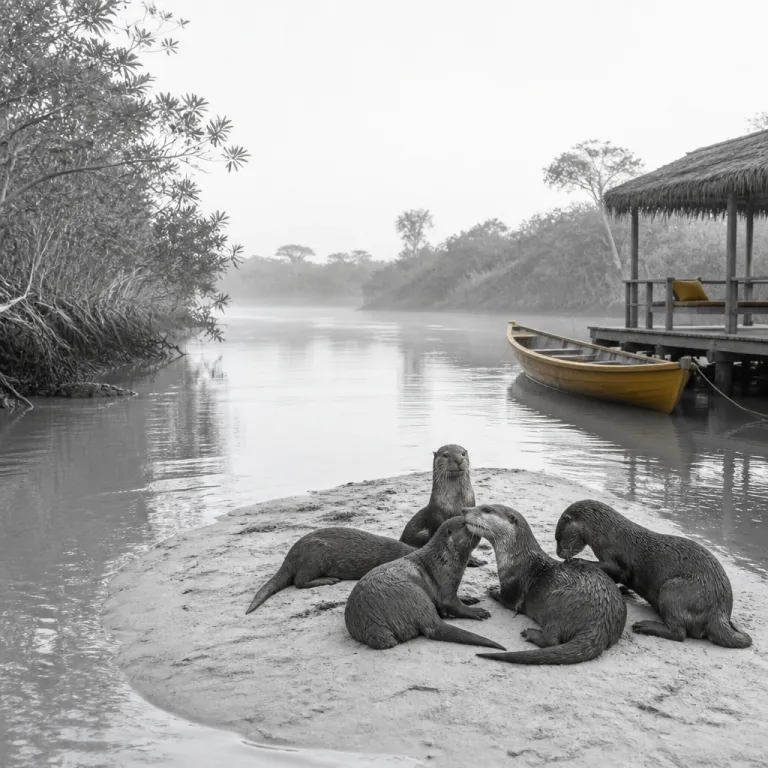
The first full day of a serious rupununi wildlife experience starts in the dark, when a soft knock on your door and a thermos of coffee signal that the river is waking. Within minutes you are gliding away from the river lodge jetty, the outboard cut to a murmur as the sky lifts from black to indigo and the rainforest presses close on both banks. This is when giant river otters, the largest otter species in the amazon basin, begin to patrol their territories, and when your guide’s quiet hand signal matters more than any luxury amenity.
Giant river otters are social, vocal, and active by day, and in the half light you hear them before you see them. A family surfaces in the still water of an oxbow off the iwokrama river, periscoping heads and whiskers, then sliding under the boat’s reflection as scarlet macaws cross overhead and smaller birds stitch the soundscape from the canopy. The lodge provides binoculars, but serious birding guests bring their own optics and sometimes camera trap equipment, hoping to add a jaguar or tapir to the invisible cast that moves through this corridor between the amazon river basin and the Rupununi savannahs.
By mid morning, the sun hardens and the rainforest day slows, pushing both wildlife and travelers into shade. You return to the eco lodge jetty, where breakfast is served open air, and the rest of the morning is deliberately unscheduled so you can explore the property’s trails at your own pace or simply lie in a hammock listening to the river. Families often choose a gentler itinerary, like the three lodge river journey from Bartica to Iwokrama described in this Essequibo river lodge circuit, but solo travelers usually prefer to stay put and let the forest come to them.
Afternoon into dusk: savannah walks, canopy walkways, and the art of seeing less
After lunch, the heat over the north Rupununi grasslands can feel almost metallic, so the smartest lodges design their activities around the light. A short rest in your fan cooled room or on a shaded deck gives way to a late afternoon walk across the savannah, where the horizon opens and your rupununi wildlife experience shifts from river otters and forest birds to raptors, armadillo burrows, and the possibility of a giant anteater moving between termite mounds. This is not a forced march ; the pace is slow, the focus on reading tracks and understanding how this ecosystem works.
Some properties near Iwokrama offer access to a canopy walkway, a suspended trail through the upper rainforest that changes your sense of scale. From this height you share airspace with toucans, tanagers, and mixed flocks of smaller birds, while the river far below becomes a silver thread and the calls of howler monkeys roll through the north like distant surf. For many guests, this elevated perspective is the moment when Guyana wildlife stops being a checklist and becomes a three dimensional world, and it is why we consistently recommend lodges that invest in both infrastructure and conservation society partnerships rather than quick photo opportunities.
By dusk, you are back at the lodge, feet dusty, memory card fuller than you expected, and the silence between sounds more noticeable than the calls themselves. This is when you realize that in 48 hours you will not see everything ; the amazon rainforest and the wider south America interior simply hold too much, and species like jaguar or harpy eagle often require longer stays and flexible itineraries. If you are planning a future retreat focused on nature, our overview of nature retreats in Guyana and premium lodge booking will help you match your expectations to the right property and duration.
Night on the river: black caimans, starlight, and the weight of silence
After dinner, the river turns from reflective surface to dark corridor, and your second major wildlife event of the day begins. Life jackets on, you step into the boat again, this time with flashlights and a different kind of anticipation, because the largest predator in the amazon basin waits in these channels. The guides remind you that "Are giant otters endangered?" "Yes, they are globally endangered." "Is it safe to observe black caimans at night?" "Yes, with experienced guides." "What is the best time to visit Rupununi?" "Dry season offers better wildlife viewing."
The engine idles as you move along the iwokrama river or a side creek, and soon the first eye shine appears, twin orange points low on the water that belong to a black caiman up to six meters long. Unlike the animated river otters you watched at dawn, these reptiles hold their position almost motionless, and the boat’s quiet drift lets you study the armored head, the ridged back, and the way the animal slides under without a ripple. Between sightings, the silence is immense, broken only by frogs, night birds, and the occasional splash of a fish, and many guests describe this as the moment when their rupununi wildlife experience feels most remote.
Back at the river lodge, the generator hum fades and the sky takes over, a dense field of stars that reminds you how far you are from Georgetown and the coastal belt. This is where a luxury stay in Guyana diverges sharply from more conventional south America resorts, because the emphasis is on immersion rather than insulation, and on supporting rupununi conservation and local conservation community projects rather than building another pool. Some lodges share updates from their wildlife unit, including camera trap images of jaguars or tapirs taken near the property, and these glimpses of unseen neighbors add depth to what you have actually observed.
Second day choices: what 48 hours can hold, and when to stay longer
The second morning of your rupununi wildlife experience offers a choice between repeating the dawn river run or shifting focus to more targeted birding. Serious birders often opt for a pre breakfast walk along forest edges and wetlands, where over 700 species have been recorded and the mix of macaws, parrots, and smaller birds can change with each clearing. Others return to the river, hoping for another encounter with giant river otters or a different angle on the same amazon influenced channels that felt so mysterious at night.
By late morning on day two, you have a clearer sense of what 48 hours can realistically hold. You have probably seen black caimans, multiple monkey species, river otters, and a long list of Guyana wildlife birds, but you have almost certainly not seen a jaguar, a harpy eagle, or the more elusive giant anteater unless luck and timing aligned. Those headline species often require a longer itinerary that might combine north Rupununi lodges, a stay at Wichabai Ranch in the south Rupununi savannahs, and perhaps a side trip to Kaieteur or other falls, with enough buffer days to absorb weather and road conditions.
Afternoon brings travel logistics back into view, whether you are returning to Georgetown or continuing deeper into the interior, and this is when the right lodge team proves its value. They help you plan onward travel, suggest which eco lodge or river lodge best matches your next adventure, and explain how your stay contributes to rupununi conservation and broader conservation society efforts across Guyana. For solo travelers, this honest, unscripted advice is often the most luxurious element of all, because it turns a single rainforest day into the first chapter of a longer relationship with this region.
Practical guidance: choosing lodges, packing well, and aligning comfort with conservation
Planning a rupununi wildlife experience through a luxury and premium hotel booking website in Guyana means balancing comfort with context. The best properties in north Rupununi and south Rupununi are usually described as eco lodges or river lodges, with screened rooms, reliable mosquito nets, and good mattresses rather than air conditioned suites, and that is exactly what you want in this climate. When comparing options, look for clear links to a conservation community or conservation society, evidence of a functioning wildlife unit, and transparent support for rupununi conservation projects rather than vague eco labels.
Packing is straightforward but unforgiving if you get it wrong, because you will repeat the same pieces every day. Bring light, breathable clothing in neutral colors, a wide brimmed hat, and a rain shell for sudden showers, plus closed shoes for trails and sandals for the lodge, and do not forget high quality insect repellent and any personal medication. Binoculars are essential for birding and general wildlife viewing, and a small dry bag protects cameras and phones during river trips on the iwokrama river or other amazon influenced waterways.
Physical fitness requirements are moderate, but you should be comfortable climbing in and out of boats, walking on uneven rainforest trails, and handling heat during a long day of activity. If you prefer gentler pacing, choose lodges that offer flexible itineraries, shaded decks, and optional activities like short walks instead of full day hikes, and be honest with staff about your limits so they can tailor the trip. Respect for local customs, from dress codes in villages to listening carefully during briefings about wildlife safety, is part of the social contract here, and it ensures that your presence strengthens rather than strains the delicate balance between travel, conservation, and community life in this corner of south America.
FAQ
How many days do I need for a meaningful rupununi wildlife experience ?
Two days allow you to sample dawn river otter watching, night black caiman spotlighting, and at least one savannah or canopy walk. However, a longer stay of four to six nights across one or two lodges in north Rupununi and south Rupununi significantly increases your chances of seeing rarer species like jaguar or giant anteater. Extra days also give you time to appreciate the silence, adjust to the rhythm of the rainforest, and support more local conservation initiatives.
Is it safe to observe giant river otters and black caimans ?
Observing giant river otters at dawn and black caimans at night is considered safe when you are with experienced, licensed guides who follow strict protocols. Boats maintain respectful distances, engines are managed carefully, and guests are briefed on how to move and speak on board. The combination of local knowledge, proper equipment, and community backed guidelines keeps both wildlife and travelers protected.
What is the best time of year to visit the Rupununi for wildlife ?
The drier months generally offer better road access, more predictable river levels, and improved wildlife viewing along the iwokrama river and surrounding wetlands. During these periods, boat based trips for river otters and night caiman surveys are easier to schedule, and walking trails in the rainforest and savannah are less muddy. Shoulder seasons can still be rewarding, but you should build more flexibility into your itinerary.
Which lodges work best for a first time wildlife focused trip ?
For a first rupununi wildlife experience, look for established eco lodges and river lodges with strong reputations for guiding, clear links to conservation society partners, and easy access to both river and forest habitats. Properties near Iwokrama, the north Rupununi wetlands, or Wichabai Ranch in the south Rupununi savannahs offer varied ecosystems within a short radius. When booking through a premium platform, prioritize lodges that publish their conservation commitments and share data from their wildlife unit or camera trap projects.
What should I pack for comfort and safety in the Rupununi ?
Pack light, breathable clothing, a hat, sturdy walking shoes, and a compact rain jacket for sudden showers. Add high quality insect repellent, sunscreen, a reusable water bottle, and any personal medications, plus binoculars and a small dry bag for electronics during river outings. Most lodges provide mosquito nets and basic toiletries, so focus on items that enhance your comfort during long days outdoors and cool nights by the river.
Sources
Conservation International ; Guyana Tourism Authority ; Iwokrama International Centre.